Soaring Jet Fuel Costs Threaten Summer Travel: Airfares Set to Rise, Disruption Looms Until 2027
Travelers face an "inevitable" surge in airfares this summer as global jet fuel prices skyrocket, exacerbated by geopolitical tensions. Industry leaders warn that the disruption from the ongoing Iran conflict could impact the aviation sector until 2027, even if critical shipping lanes like the Strait of Hormuz stabilize. This crisis is forcing airlines to re-evaluate routes and capacity, potentially reshaping the future of air travel.
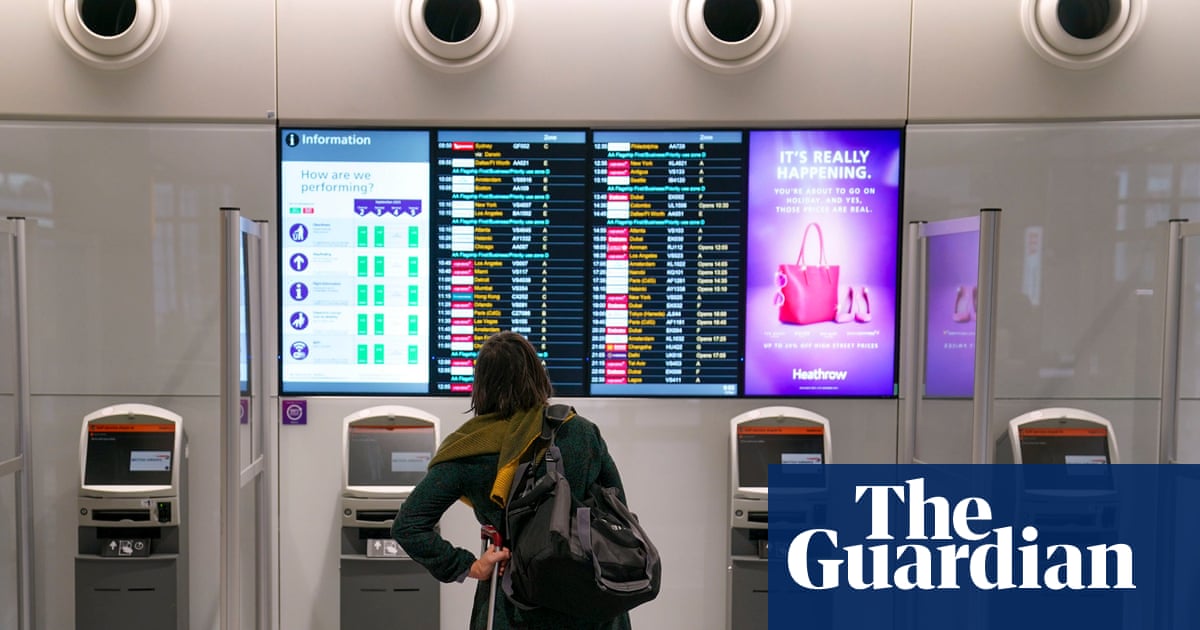
The skies above Europe, and indeed the world, are bracing for turbulence this summer, not from weather patterns, but from the relentless ascent of jet fuel prices. Willie Walsh, the Director General of the International Air Transport Association (IATA), has unequivocally stated that increases in airfares for travelers are “inevitable” over the peak summer period. This stark warning comes amidst a complex geopolitical landscape, primarily the ongoing conflict involving Iran, which has sent shockwaves through global energy markets and, consequently, the aviation industry.
The implications extend far beyond a single travel season. Walsh's pronouncement suggests that the ripple effects of current disruptions, particularly those stemming from the Middle East, could persist until 2027. This long-term outlook paints a sobering picture for an industry still recovering from the unprecedented challenges of the COVID-19 pandemic. The Strait of Hormuz, a critical chokepoint for global oil shipments, remains a focal point of concern. Even if this vital waterway were to reopen without further incident, the supply chain disruptions and elevated risk premiums built into oil prices are expected to linger, keeping jet fuel costs stubbornly high. For millions of holidaymakers and business travelers, the dream of affordable summer getaways is rapidly turning into a more expensive reality.
The Geopolitical Crucible: Iran and Global Energy Markets
The current spike in jet fuel prices is inextricably linked to the volatile geopolitical situation in the Middle East. The conflict involving Iran has introduced significant uncertainty into the global oil supply chain. While Iran itself is a major oil producer, the primary concern stems from the potential for disruption to shipping lanes, particularly the Strait of Hormuz. Approximately one-fifth of the world's total oil supply, and a significant portion of its liquefied natural gas (LNG), passes through this narrow maritime passage. Any perceived threat to this strait, whether real or speculative, immediately sends oil prices soaring.
Historically, such geopolitical flashpoints have always had a disproportionate impact on energy markets. The 1973 oil crisis, triggered by the Yom Kippur War, saw oil prices quadruple, leading to widespread economic disruption. Similarly, the Gulf War in the early 1990s caused temporary but sharp increases. What makes the current situation particularly challenging is the cumulative effect of recent global events. The post-pandemic surge in demand, coupled with underinvestment in fossil fuel production and the ongoing war in Ukraine, had already created a tight energy market. The Iran conflict acts as an additional, potent accelerant, pushing prices to levels that airlines find increasingly difficult to absorb.
Jet fuel, derived from crude oil, typically accounts for 25-30% of an airline's operating costs. When crude oil prices surge, this proportion can climb dramatically, squeezing airline profit margins and leaving little choice but to pass these costs onto consumers. The dynamic is simple: higher fuel costs translate directly into higher ticket prices. This is not merely a European phenomenon; while Walsh's comments focused on Europe, the global nature of oil markets ensures that these price hikes will be felt by travelers worldwide.
Airlines' Balancing Act: Demand, Capacity, and Cost Management
Facing this formidable challenge, airlines are caught in a delicate balancing act. On one hand, there is a strong, pent-up demand for travel, especially after years of pandemic-induced restrictions. People are eager to fly, and bookings for summer are robust in many regions. On the other hand, the soaring cost of fuel threatens to erode any potential profitability from this demand. Airlines have several levers they can pull, though none are without consequences:
* Fare Increases: The most direct and, as Walsh suggests, “inevitable” response. Airlines will adjust ticket prices upwards to offset the increased fuel burden. This will likely make last-minute bookings significantly more expensive and could deter some leisure travelers. * Capacity Adjustments: Some airlines, particularly those with weaker financial positions or serving less popular routes, may choose to reduce capacity. This could involve cutting specific routes, reducing flight frequencies, or even grounding less fuel-efficient aircraft. While this helps manage costs, it also reduces consumer choice and can further drive up prices on remaining routes due to reduced supply. * Fuel Hedging: Many airlines engage in fuel hedging, a financial strategy to lock in fuel prices for future consumption. While this can provide a buffer against sudden price spikes, it is not a perfect solution. Hedging contracts have expiration dates, and if prices remain elevated for an extended period, airlines eventually face the market rate. Furthermore, hedging can be costly and carries its own risks if fuel prices unexpectedly fall. * Operational Efficiency: Airlines are constantly seeking ways to improve fuel efficiency, from optimizing flight paths and cruising altitudes to investing in newer, more fuel-efficient aircraft. However, these are long-term strategies that offer limited immediate relief from a sudden price shock.
The decision-making process for airlines is complex, weighing the risk of alienating customers with high prices against the imperative of maintaining profitability. For some, particularly budget carriers that operate on thin margins, the challenge is existential.
The Traveler's Dilemma: Navigating a More Expensive Horizon
For the average traveler, the outlook is clear: summer air travel will be more expensive. This isn't just about the headline ticket price; ancillary costs, often tied to fuel surcharges, may also see increases. Consumers will need to adapt their travel planning strategies:
* Book Early: Historically, booking in advance has often secured better fares. In a high-cost environment, this strategy becomes even more critical as airlines will likely adjust prices dynamically based on demand and fuel costs. * Flexibility: Being flexible with travel dates and destinations can yield savings. Flying mid-week or during off-peak hours can still offer some respite from peak pricing. * Consider Alternatives: For shorter distances, rail travel or carpooling might become more attractive alternatives, especially within Europe, as the cost differential widens. * Budget Accordingly: Travelers should factor in higher airfare costs when planning their overall holiday budget, recognizing that the era of ultra-cheap flights may be temporarily on hold.
Beyond individual choices, the broader economic impact is also a concern. Higher travel costs can dampen consumer spending in other sectors, affecting tourism-dependent economies. Businesses relying on air cargo for supply chains will also face increased costs, potentially leading to higher prices for goods.
A Long-Term Perspective: Beyond Summer 2024
Willie Walsh's projection of disruptions extending into 2027 underscores the deeply embedded nature of the current challenges. This isn't a transient blip; it reflects a confluence of factors that are reshaping the global energy landscape and, by extension, the aviation industry. The transition to sustainable aviation fuels (SAFs) is a long-term solution, but their current production volumes and cost make them unfeasible as an immediate widespread alternative.
For the next few years, the industry will likely remain highly sensitive to geopolitical developments and global oil supply dynamics. This could lead to a strategic reassessment by airlines, potentially favoring more resilient supply chains, diversifying fuel sources where possible, and continuing to push for greater operational efficiencies. Governments, too, may face pressure to explore measures that can stabilize energy markets or support the aviation sector, recognizing its vital role in global trade and connectivity.
In conclusion, while the immediate focus is on the summer 2024 travel season, the challenges posed by escalating jet fuel costs are indicative of a more profound shift. Travelers must prepare for a pricier journey, and the aviation industry must navigate a complex, uncertain future where geopolitical stability and energy market volatility will continue to dictate the rhythm of the skies. The promise of affordable, accessible air travel, a hallmark of the 21st century, faces its most significant test yet, with implications that will resonate for years to come.
Stay Informed
Get the world's most important stories delivered to your inbox.
No spam, unsubscribe anytime.
Comments
No comments yet. Be the first to share your thoughts!