South Africa on the Brink: Unpacking the Looming Threat of Renewed Violence and Xenophobia
South Africa faces a critical juncture, with escalating xenophobia, economic hardship, and political instability creating a volatile environment. Recent anti-foreigner marches in Johannesburg signal a dangerous resurgence of social unrest. This article delves into the complex factors driving these tensions and explores the potential for widespread violence, urging immediate intervention.
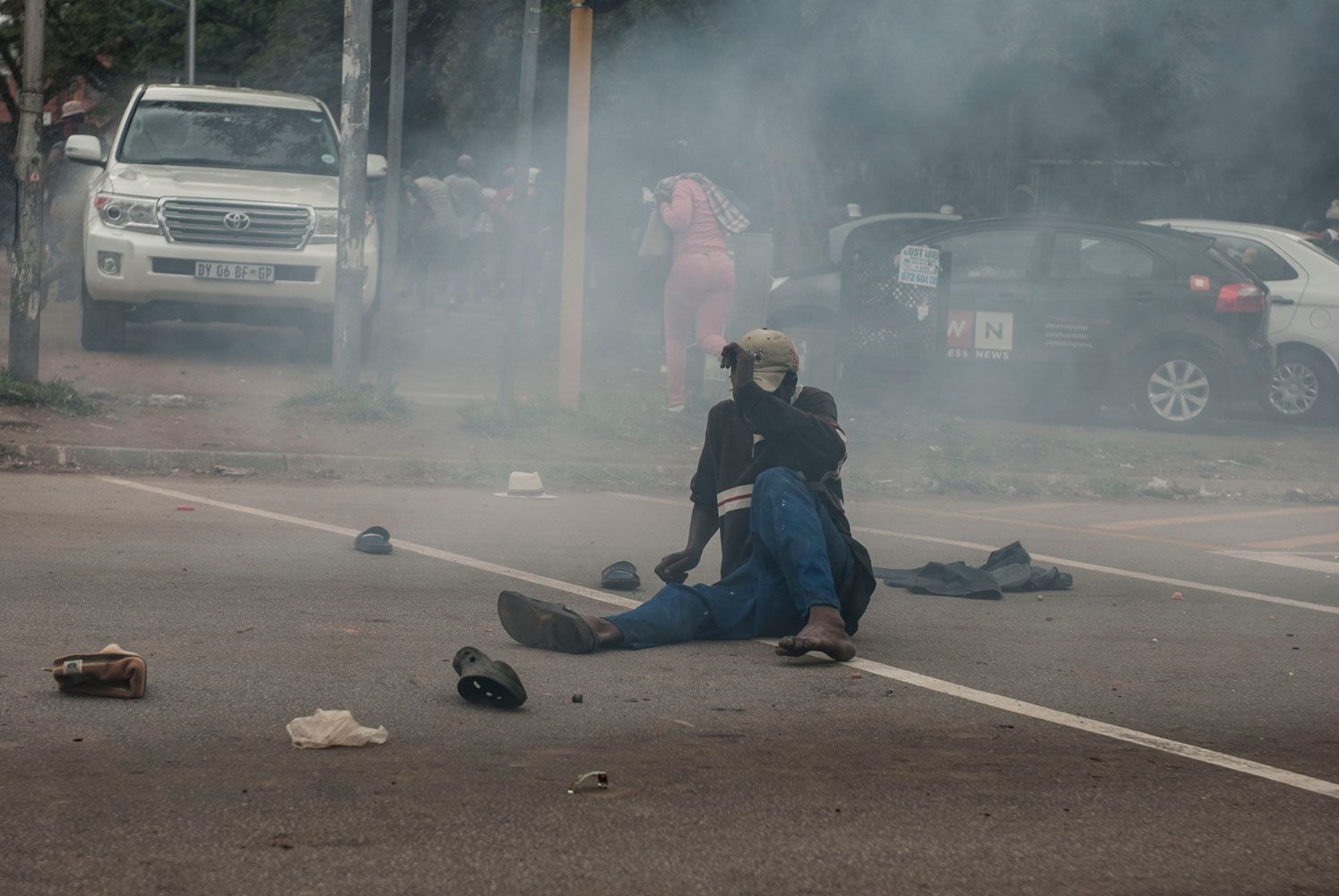
South Africa, a nation celebrated for its remarkable transition from apartheid to democracy, now finds itself teetering on the precipice of renewed social unrest. As winter descends, a chilling combination of economic despair, political fragmentation, and virulent xenophobia is brewing, threatening to unravel the delicate fabric of its society. The recent spectacle of groups marching through Johannesburg's CBD, specifically targeting foreigners, serves as an ominous warning, echoing past episodes of brutal violence that have stained the country's post-apartheid narrative. Ignoring these flashing red lights would be a grave dereliction of duty, both for the government and for the international community watching a critical African democracy grapple with its demons.
The Echoes of Past Violence: A Troubling Resurgence
The specter of xenophobic violence is not new to South Africa. The country has a grim history of periodic flare-ups, notably in 2008, 2015, and 2019, where foreign nationals, primarily from other African countries, bore the brunt of mob attacks, looting, and displacement. These incidents were often fueled by false narratives blaming immigrants for unemployment, crime, and a strain on public services. The current climate suggests a dangerous reawakening of these sentiments, exacerbated by a struggling economy and a pervasive sense of disillusionment among the populace.
What makes the recent events particularly concerning is the apparent organization and brazenness of the anti-foreigner movements. While the source content mentions marches looking for foreigners, it's crucial to understand that these are not isolated incidents but symptoms of deeper, systemic issues. The rhetoric often employed by these groups, sometimes subtly endorsed or not sufficiently condemned by political figures, demonizes foreign nationals, stripping them of their humanity and making them easy scapegoats for South Africa's myriad problems. The Operation Dudula movement, for instance, has gained notoriety for its vigilante-style actions against undocumented immigrants and foreign-owned businesses, claiming to 'reclaim' South Africa for its citizens. While the source doesn't explicitly name Dudula, the description of groups 'looking for foreigners' strongly aligns with such movements.
A Confluence of Crises: Economic Hardship and Political Discontent
The underlying drivers of this renewed tension are multifaceted, but economic stagnation sits at the core. South Africa has been battling persistently high unemployment rates, particularly among its youth, for years. The COVID-19 pandemic further exacerbated these challenges, leading to widespread job losses and business closures. The official unemployment rate hovers around 32%, but youth unemployment is significantly higher, creating a vast pool of frustrated and disenfranchised individuals susceptible to populist narratives.
* High Unemployment: A staggering number of South Africans, especially young people, are without work, leading to fierce competition for scarce jobs. * Inequality: Despite being the most industrialized nation in Africa, South Africa remains one of the most unequal societies globally, with wealth concentrated in the hands of a few, perpetuating resentment. * Service Delivery Failures: Widespread corruption, mismanagement, and crumbling infrastructure have led to a decline in public services, from electricity supply (load shedding) to healthcare and education, further fueling public anger.
Politically, the country is also navigating a period of significant flux. The ruling African National Congress (ANC) has seen its electoral support wane, facing growing criticism over corruption, governance failures, and its inability to address socio-economic disparities. This political vacuum and loss of trust create fertile ground for opportunistic leaders and movements to exploit popular grievances, often by redirecting blame towards vulnerable groups like foreign nationals. The upcoming general elections add another layer of complexity, as political parties may be tempted to pander to anti-immigrant sentiments to garner votes, inadvertently legitimizing xenophobic rhetoric.
The Human Cost and Regional Implications
The immediate and most tragic consequence of xenophobic violence is the human cost. Lives are lost, homes are destroyed, and livelihoods are shattered. Foreign nationals, many of whom are refugees or economic migrants seeking a better life, are forced to live in constant fear, often unable to access basic rights or legal protection. Beyond the individual tragedies, such violence severely damages South Africa's international reputation, undermining its standing as a beacon of democracy and human rights on the continent.
Regionally, South Africa's stability is paramount. The country is a major economic hub and a destination for migrants from neighboring countries like Zimbabwe, Mozambique, and Lesotho. A surge in violence could trigger a humanitarian crisis, leading to mass displacement and straining diplomatic relations within the Southern African Development Community (SADC). It also sends a chilling message to investors, potentially deterring foreign direct investment crucial for economic recovery and job creation.
A Call for Leadership and Comprehensive Solutions
Addressing this looming crisis requires a multi-pronged approach, beginning with resolute political leadership. The government must unequivocally condemn xenophobia and take concrete steps to protect foreign nationals. This includes:
* Law Enforcement: Robust and impartial law enforcement to prosecute perpetrators of violence and prevent mob justice. * Public Education: Countering misinformation and promoting social cohesion through public awareness campaigns that highlight the positive contributions of immigrants. * Economic Reform: Implementing genuine economic reforms to create jobs, reduce inequality, and improve service delivery, thereby addressing the root causes of frustration. * Migration Policy: Developing a clear, humane, and efficient immigration policy that distinguishes between legal and undocumented migrants, and ensures fair treatment for all.
Civil society organizations, religious leaders, and the media also have a crucial role to play in fostering dialogue, challenging xenophobic narratives, and advocating for justice. The international community, too, must remain vigilant, offering support and diplomatic pressure where necessary to ensure that South Africa does not regress into a cycle of violence. The future of South Africa, and indeed its influence on the African continent, hinges on its ability to confront these deep-seated issues with courage, wisdom, and a renewed commitment to the principles of human dignity and equality for all who reside within its borders.
Stay Informed
Get the world's most important stories delivered to your inbox.
No spam, unsubscribe anytime.
Comments
No comments yet. Be the first to share your thoughts!