Stem Cell Breakthrough: Scientists Reverse Stroke Damage, Rebuilding Brain Connections
A groundbreaking study reveals that transplanted stem cell-derived brain cells can actively repair stroke damage, not just survive. Researchers observed these cells rebuilding neural networks and restoring blood vessels in mice, leading to significant functional recovery. This discovery offers unprecedented hope for millions of stroke survivors worldwide, moving beyond mere survival to potential regeneration and a better quality of life.
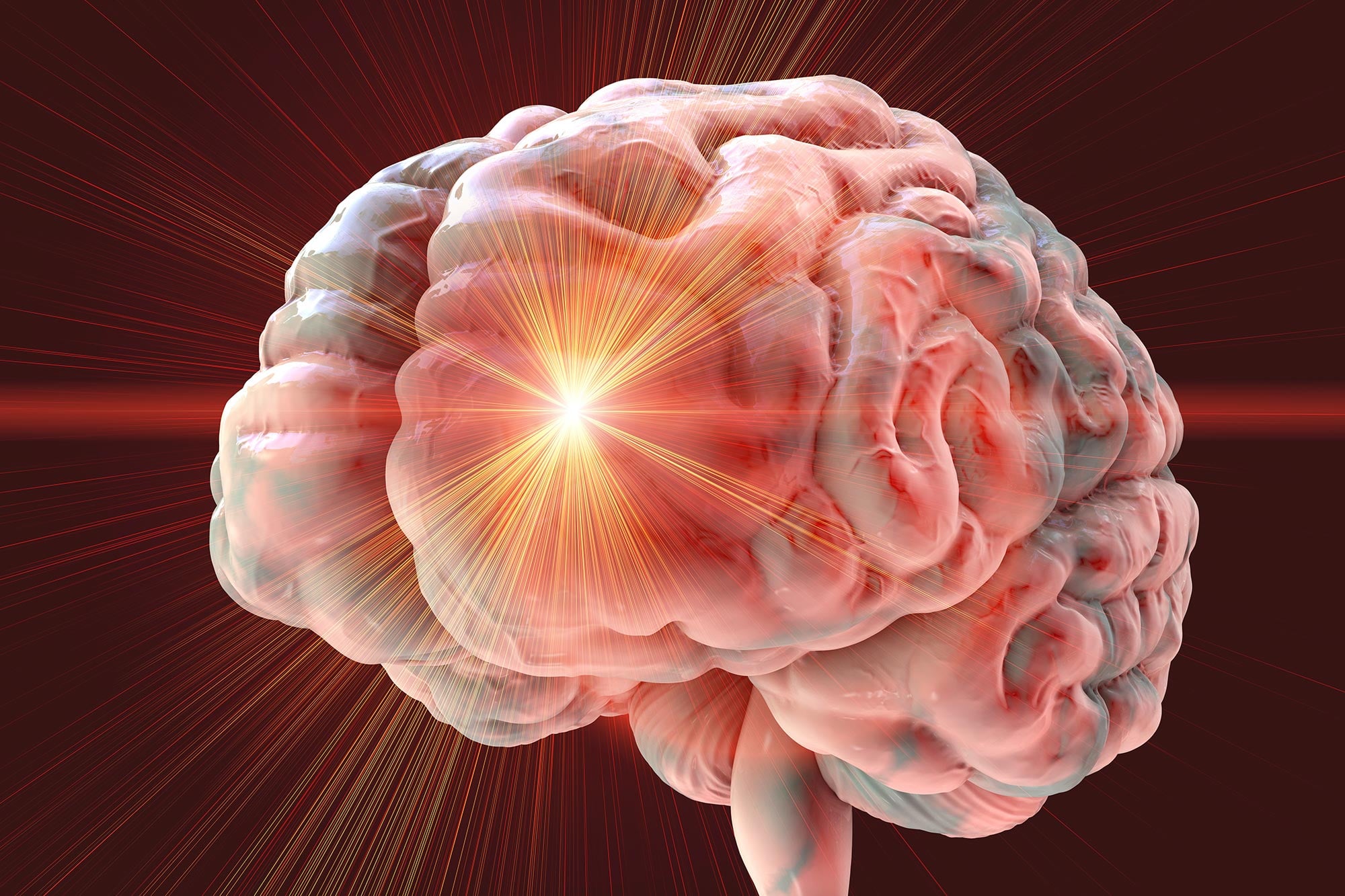
The aftermath of a stroke can be devastating, leaving survivors with debilitating impairments ranging from speech loss to paralysis. For decades, medical science has focused primarily on acute intervention and rehabilitation, helping patients cope with damage rather than reversing it. However, a revolutionary new study is poised to redefine this paradigm, offering a beacon of hope that extends far beyond mere survival. Scientists have made a monumental discovery: transplanted stem cell-derived brain cells are not just passive inhabitants in a damaged brain; they are active architects, capable of rebuilding damaged brain connections and restoring crucial blood vessels, fundamentally reversing the effects of a stroke.
This breakthrough, detailed in a recent publication, demonstrates that these sophisticated cellular transplants can integrate into the brain's complex circuitry, forming new neural pathways and improving cerebral blood flow. The implications are profound, suggesting a future where stroke recovery could involve true regeneration, offering a chance for millions to reclaim lost functions and significantly enhance their quality of life. PulseWorld delves into the science behind this remarkable achievement and its potential to transform neurological medicine.
The Unseen Battle: Understanding Stroke's Devastation
To appreciate the magnitude of this discovery, one must first understand the catastrophic impact of a stroke. A stroke occurs when blood flow to an area of the brain is interrupted, either by a clot (ischemic stroke) or a ruptured blood vessel (hemorrhagic stroke). Brain cells, deprived of oxygen and nutrients, begin to die within minutes. The consequences depend on the location and extent of the damage, often resulting in long-term disability affecting movement, speech, cognition, and emotional regulation. According to the World Health Organization, stroke is the second leading cause of death globally and a major cause of disability. In the United States alone, nearly 800,000 people suffer a stroke each year, with a significant portion experiencing lasting impairments.
Traditional treatments primarily focus on minimizing immediate damage and managing symptoms. Thrombolytic drugs like tPA can dissolve clots if administered within a narrow time window, and mechanical thrombectomy can physically remove clots. Post-stroke, physical, occupational, and speech therapies aim to help patients adapt and regain some function. While these interventions are critical, they do not repair the underlying structural damage to the brain. The brain's limited capacity for self-repair after such extensive injury has long been a major hurdle in neurological recovery. This is precisely where stem cell research offers a transformative alternative.
The Regenerative Power of Stem Cells: A New Frontier
The concept of using stem cells to repair damaged tissues is not new, but their application in neurological conditions, particularly stroke, has been fraught with challenges. Early research often focused on whether transplanted cells could simply survive in the hostile post-stroke environment. This new study, however, pushes the boundaries far beyond mere survival.
Researchers utilized induced pluripotent stem cells (iPSCs), which are adult cells reprogrammed back into an embryonic-like state, capable of differentiating into various cell types. These iPSCs were then guided to become specific types of brain cells, such as neurons and glial cells, before transplantation. The key findings from the mouse model study were nothing short of astonishing:
* Neural Network Reconstruction: The transplanted cells actively integrated into the host brain, forming new synaptic connections and effectively rebuilding damaged neural circuits. This wasn't just a patch-up; it was a genuine reconstruction of communication pathways. * Angiogenesis and Blood Flow Restoration: Beyond neuronal repair, the stem cells also facilitated the growth of new blood vessels (angiogenesis) in the ischemic region. Improved blood supply is crucial for the health and function of any brain tissue, and its restoration is vital for long-term recovery. * Functional Recovery: Mice treated with these stem cells showed significant improvements in motor function, cognitive abilities, and overall neurological scores compared to control groups. This direct correlation between cellular repair and functional recovery is a powerful indicator of the treatment's potential.
Dr. Anya Sharma, a leading neuroscientist not affiliated with the study, commented, “This research marks a pivotal moment. We’ve moved from hoping cells survive to seeing them actively participate in the brain’s repair process. The ability to rebuild both neural connections and vascular networks is a game-changer.” The study's meticulous methodology and compelling results provide robust evidence for the regenerative capacity of these stem cell therapies.
From Bench to Bedside: Challenges and Future Prospects
While the results are incredibly promising, the journey from successful animal studies to human clinical trials is long and complex. Several critical considerations must be addressed before this therapy can reach patients:
* Safety and Efficacy in Humans: The primary concern will be ensuring the safety of transplanted cells in the human brain, including avoiding tumor formation and immune rejection. Efficacy will need to be rigorously tested across diverse patient populations and stroke types. * Optimal Cell Type and Delivery: Researchers will need to refine the specific types of stem cell-derived brain cells used and the most effective methods for their delivery to the damaged brain regions. * Timing of Intervention: Determining the optimal window for transplantation post-stroke is crucial. Early intervention might prevent further damage, while later intervention could focus on chronic repair. * Scalability and Cost: Developing a scalable and cost-effective method for producing and administering these therapies will be essential for widespread accessibility.
Despite these challenges, the scientific community is buzzing with optimism. The potential impact on public health is immense. Imagine a future where a stroke diagnosis is not a life sentence of permanent disability, but rather a treatable condition with the prospect of significant functional restoration. This could reduce the enormous burden of long-term care, improve quality of life for millions, and reshape our understanding of brain plasticity and repair.
A Regenerative Dawn for Neurological Medicine
This groundbreaking stem cell research represents more than just a scientific achievement; it symbolizes a paradigm shift in how we approach neurological damage. For too long, the brain has been considered an organ with limited repair capabilities, particularly after acute injury. This study challenges that notion, demonstrating that with the right cellular tools, the brain can be coaxed into a state of profound regeneration. It opens doors for similar approaches in other neurodegenerative diseases like Alzheimer's and Parkinson's, where neuronal loss is a hallmark.
The path forward will require sustained research, significant investment, and collaborative efforts across global scientific and medical communities. However, the promise of truly reversing stroke damage, of rebuilding the very fabric of thought and movement, is a powerful motivator. This is not just about extending life; it's about restoring lives, offering a future where the devastating shadow of stroke might finally recede, replaced by the light of regenerative hope. The era of regenerative neurology is dawning, and with it, a new chapter for human health and well-being. This discovery truly underscores the incredible potential of harnessing the body's own regenerative power to heal what was once thought irreparable. The global impact, if successful in human trials, would be nothing short of revolutionary, offering dignity and independence back to countless individuals and their families. The journey has just begun, but the destination looks brighter than ever before. This is a testament to relentless scientific inquiry and the unwavering belief that even the most complex biological puzzles can eventually be solved. The future of stroke treatment is no longer just about managing symptoms; it's about rebuilding hope, one cell at a time. The implications extend to the economic burden of stroke, potentially reducing healthcare costs associated with long-term care and rehabilitation. This research not only offers a new therapeutic avenue but also deepens our understanding of brain repair mechanisms, which could inform other neurological interventions. It's a holistic advancement, touching upon science, medicine, and societal well-being. The global scientific community will be watching closely as this research progresses, anticipating the next steps towards human application. This is a true testament to human ingenuity and perseverance in the face of daunting medical challenges. The prospect of a world where stroke damage is reversible is no longer a distant dream but a tangible scientific goal within reach. This is an exciting time for neuroscience and regenerative medicine, promising a brighter future for those affected by stroke.
Stay Informed
Get the world's most important stories delivered to your inbox.
No spam, unsubscribe anytime.
Comments
No comments yet. Be the first to share your thoughts!