Steve Jobs Immortalized: The American Innovation $1 Coin and its Deeper Meaning
The U.S. Mint's decision to feature Steve Jobs on the 2026 American Innovation $1 Coin sparks debate, highlighting the complex intersection of national recognition, technological legacy, and economic realities. While celebrating an icon, the project also draws attention to the cost of commemorative currency and the evolving definition of American ingenuity. This article delves into the significance of this honor, its historical context, and the broader implications for innovation and public perception.
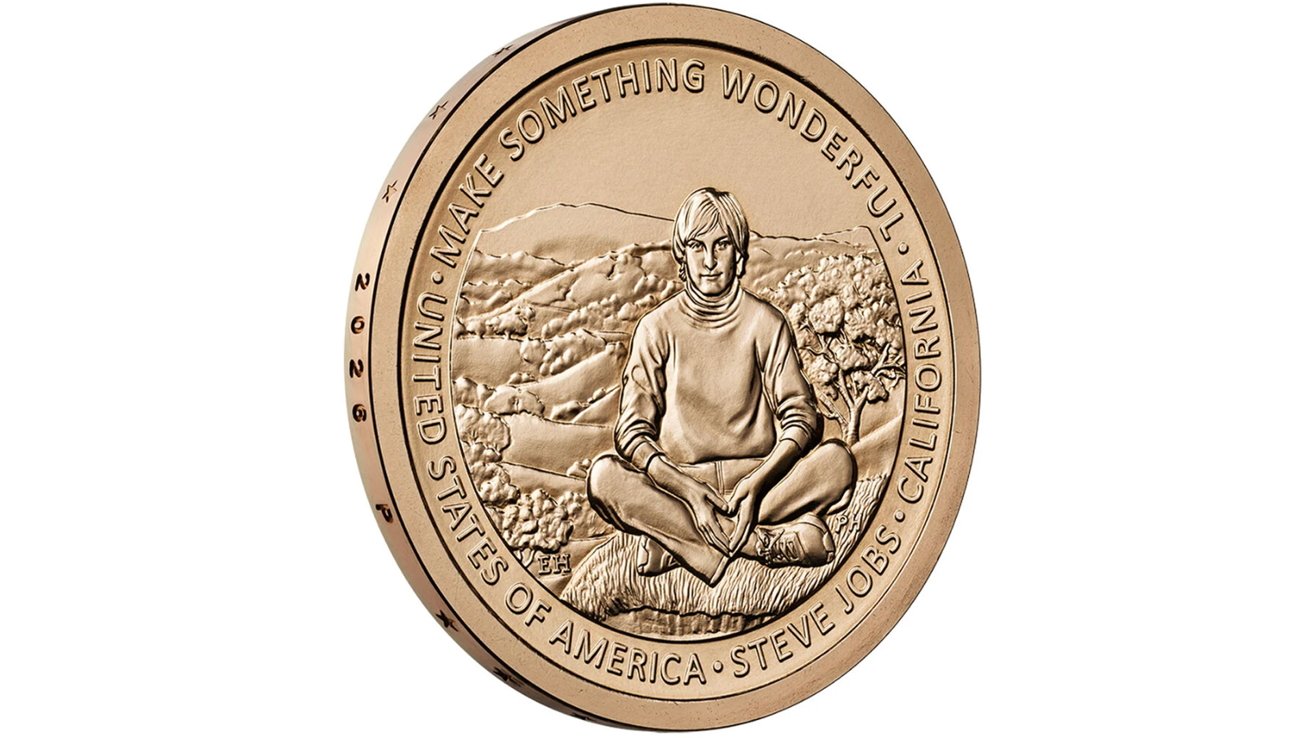
In a move that has simultaneously captivated tech enthusiasts and sparked fiscal debate, the United States Mint is set to immortalize Steve Jobs, the visionary co-founder of Apple, on the 2026 American Innovation $1 Coin. This decision, part of a broader initiative to honor American ingenuity, places Jobs among a select pantheon of figures deemed pivotal to the nation's progress. Yet, the announcement is not without its complexities, particularly concerning the coin's production cost, which, at an estimated $1.55 per unit, exceeds its face value, raising questions about the economics of national commemoration and the true cost of celebrating innovation.
A Legacy Cast in Metal: Jobs' Enduring Impact
Steve Jobs' influence on modern society is undeniable. From the sleek design of the Macintosh to the revolutionary interface of the iPhone, his relentless pursuit of perfection and intuitive user experience transformed multiple industries. He didn't just create products; he crafted ecosystems that redefined how we interact with technology, consume media, and connect with the world. The decision to feature him on a coin is a testament to this profound impact, acknowledging his role not merely as a businessman but as a cultural architect. His story—one of audacious vision, dramatic setbacks, and triumphant comebacks—embodies a particular strain of American innovation: the audacious entrepreneur who dares to think differently. This coin serves as a tangible, albeit symbolic, recognition of a legacy that continues to shape our digital landscape, influencing everything from product design to marketing strategies and the very concept of personal computing.
His journey, marked by innovation in personal computers, animated films (through Pixar), music distribution (iTunes), and mobile communication, represents a multi-faceted contribution to American economic and cultural life. The coin, therefore, is not just about a single invention, but about a philosophy of design and a commitment to pushing boundaries that became synonymous with the Apple brand and, by extension, a significant part of the American tech narrative. It acknowledges that innovation isn't solely about scientific breakthroughs, but also about the commercialization, accessibility, and aesthetic appeal that makes technology universally adopted and beloved.
The American Innovation $1 Coin Program: A Historical Context
The American Innovation $1 Coin Program, established in 2018, is designed to honor significant innovation and innovators from each of the 50 states, the District of Columbia, and the five U.S. territories. The program aims to celebrate the breadth and depth of American ingenuity, from scientific discoveries to artistic movements, and technological advancements to societal reforms. Each year, four new coins are released, telling a story of American progress one dollar at a time. Previous honorees have included figures like Dr. Sally Ride (first American woman in space), Louis Braille (inventor of the Braille system), and concepts like the Transcontinental Railroad and Maryland's oyster restoration efforts. The inclusion of Steve Jobs places him firmly within this diverse tapestry of American achievement, signaling a recognition of technology's central role in contemporary innovation.
This program follows in the footsteps of other commemorative coin series, such as the 50 State Quarters Program, which proved immensely popular, fostering a sense of national pride and encouraging coin collecting. The $1 coin, however, has historically struggled with public adoption compared to its paper counterpart. The hope is that featuring iconic figures like Jobs might inject new life into the circulation of dollar coins, or at the very least, create a highly sought-after collectible that sparks conversations about the honorees' contributions. The program's educational aspect is also paramount, aiming to inform the public about the diverse forms of innovation that have shaped the nation.
The Economics of Commemoration: A Dollar for More Than a Dollar
The revelation that each Steve Jobs $1 coin will cost approximately $1.55 to produce has ignited a familiar debate surrounding commemorative currency. While the U.S. Mint often produces coins for collectors at a premium, the notion of a circulating coin costing more than its face value raises eyebrows. This discrepancy highlights the complex economics of minting and distribution. The cost factors include: raw materials (metal alloys), manufacturing processes, design and engraving, packaging, and distribution. For special issues, additional costs might be incurred for marketing and licensing, though in Jobs' case, the image is likely in the public domain or covered by existing agreements.
Critics argue that such a venture represents an inefficient use of taxpayer money, especially if the coins do not widely circulate. Proponents, however, counter that the intrinsic value of such coins extends beyond their monetary worth. They serve as cultural artifacts, educational tools, and symbols of national identity. The potential for these coins to become highly sought-after collector's items could also offset some of the initial production costs through secondary market sales or direct sales from the Mint at a premium. Furthermore, the publicity generated by such a high-profile honoree could be seen as a form of public relations for the Mint and the broader concept of American innovation, an intangible benefit that is harder to quantify in purely financial terms. It's a delicate balance between fiscal responsibility and the desire to celebrate national heroes in a tangible way.
Broader Implications and Public Perception
Beyond the immediate financial considerations, the Steve Jobs coin carries significant broader implications. It solidifies technology's place at the forefront of American innovation, moving beyond traditional industrial or scientific achievements. For a generation that grew up with Apple products, this coin offers a tangible connection to a figure who shaped their digital world. It could inspire future generations of entrepreneurs and innovators, demonstrating that a career in technology can lead to national recognition of the highest order.
However, it also opens up discussions about who gets to be honored and why. Jobs' legacy, while overwhelmingly positive in the tech world, is not without its critics, particularly regarding labor practices in manufacturing and his sometimes controversial management style. The selection process for the American Innovation series is designed to be inclusive, but any choice of a prominent figure will inevitably invite scrutiny and debate, reflecting the diverse values and perspectives within American society. The coin, therefore, becomes a focal point for a larger conversation about the values we choose to enshrine and the narratives we wish to perpetuate about our national identity and achievements.
A Glimpse into the Future of Commemoration
The Steve Jobs $1 coin is more than just currency; it's a statement. It reflects a society increasingly defined by its technological advancements and the individuals who drive them. As we look towards 2026, the release of this coin will undoubtedly reignite conversations about Jobs' legacy, the nature of innovation, and the role of government in celebrating national heroes. Will it become a widely circulated piece of currency, or a prized collector's item? Only time will tell. What is certain, however, is that this small metallic disc will carry a weighty narrative, reminding us of the power of a single individual's vision to reshape the world and the ongoing debate about how best to honor such transformative figures. It underscores the evolving definition of what constitutes a 'great American' and how those contributions are recognized for posterity, bridging the gap between digital revolution and tangible tradition.
Stay Informed
Get the world's most important stories delivered to your inbox.
No spam, unsubscribe anytime.
Comments
No comments yet. Be the first to share your thoughts!