Strait of Hormuz Crisis: Australia's Urgent Plea Amid Escalating US-Iran Tensions
The Strait of Hormuz, a critical global chokepoint, faces renewed closure threats from Iran in response to a US blockade. Australia has issued an urgent plea for de-escalation, highlighting the immense economic and geopolitical stakes. This crisis underscores the fragility of peace efforts and the potential for a wider conflict, impacting global oil markets and international relations.
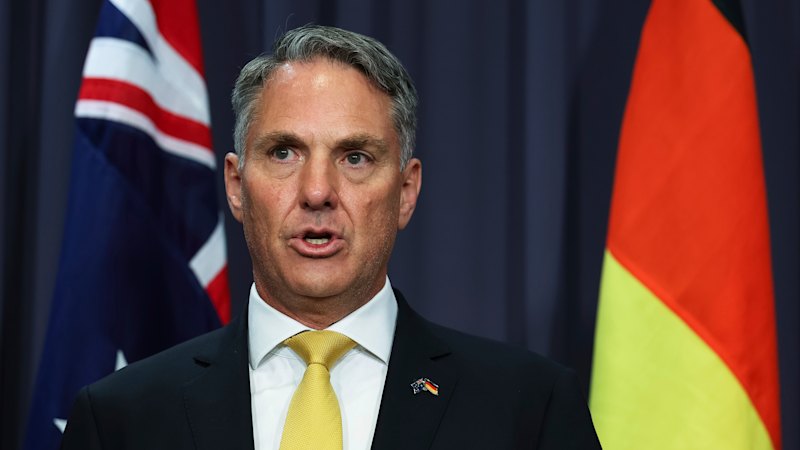
The world watches with bated breath as the Strait of Hormuz, the narrow, vital waterway connecting the Persian Gulf to the open ocean, once again becomes the epicenter of a dangerous geopolitical standoff. Iran has announced its intention to prevent ships from passing through the strait, citing a retaliatory measure against a perceived US blockade. This alarming development has triggered urgent calls for de-escalation from nations like Australia, underscoring the immense economic and strategic implications of any disruption to this crucial maritime artery.
The Geopolitical Tinderbox: A History of Tensions
The Strait of Hormuz is not merely a shipping lane; it is a geopolitical tinderbox with a long history of flashpoints. Roughly one-fifth of the world's total oil consumption, and a significant portion of its liquefied natural gas (LNG), passes through this 39-kilometer-wide passage daily. For decades, the strait has been a focal point of US-Iran rivalry, particularly since the 1979 Iranian Revolution. Iran has repeatedly threatened to close the strait in response to sanctions or military pressure, viewing it as a powerful leverage point against its adversaries.
Past incidents, such as the "Tanker War" during the Iran-Iraq War in the 1980s, and more recent events involving seizures of oil tankers and drone attacks, illustrate the inherent volatility of the region. The current crisis appears to be a direct consequence of escalating US sanctions and what Iran perceives as an economic blockade designed to cripple its economy. Tehran's response, threatening to disrupt global energy supplies, is a classic move from its playbook, aimed at forcing international attention and pressure on the US to ease its stance. The international community, including Australia, recognizes that a full closure of the strait would have catastrophic consequences, not only for oil prices but for global supply chains and economic stability.
Australia's Diplomatic Tightrope Walk
Australia, a staunch US ally but also a nation heavily reliant on stable global trade and energy markets, finds itself in a precarious position. Its plea to both Iran and the United States reflects a deep concern over the potential for miscalculation and unintended escalation. "We urge all parties to exercise maximum restraint and engage in constructive dialogue to de-escalate tensions in the Strait of Hormuz," stated an Australian foreign ministry official, emphasizing the need for a diplomatic resolution. Australia's strategic interests are multifaceted:
* Energy Security: While not directly dependent on oil from the Persian Gulf for its domestic consumption, Australia's economy is highly sensitive to global oil price fluctuations. A spike in prices would impact everything from transportation costs to manufacturing. * Trade Routes: Australian exports and imports, particularly to and from Europe and the Middle East, rely on stable shipping lanes. Any disruption in the Gulf region could have ripple effects on global maritime insurance rates and shipping schedules. * Regional Stability: Australia has a vested interest in maintaining stability in the broader Indo-Pacific region, which is inextricably linked to Middle Eastern security. A wider conflict could draw in other global powers and destabilize international relations. * Alliance Obligations: As a key ally, Australia often participates in multilateral efforts to ensure freedom of navigation, as seen in past deployments to the region. However, it also seeks to avoid being drawn into a direct conflict.
Canberra's diplomatic efforts are aimed at preventing a scenario where either side misinterprets the other's actions, leading to an irreversible military confrontation. The plea is not just for peace, but for the preservation of a rules-based international order that underpins global commerce and security.
Economic Fallout and Global Implications
Should Iran follow through on its threat to close the Strait of Hormuz, the economic repercussions would be immediate and severe. Oil prices, already subject to various geopolitical pressures, would likely skyrocket, potentially reaching unprecedented levels. Analysts predict that a sustained closure could push Brent crude well over $150 a barrel, triggering a global recession. The impact would be felt across industries:
* Energy Sector: Supply shocks would force nations to tap into strategic reserves, but this would only be a temporary measure. Long-term, it would accelerate the search for alternative energy sources and routes. * Shipping and Logistics: Insurance premiums for vessels transiting the region would become prohibitively expensive, if not impossible to obtain. Shipping companies would be forced to reroute, adding significant time and cost to journeys, disrupting global supply chains for everything from electronics to consumer goods. * Manufacturing and Agriculture: Higher energy costs would translate into increased production costs, leading to inflation and reduced consumer spending power. Agricultural exports and imports, reliant on affordable transportation, would also suffer.
The geopolitical implications extend far beyond economics. A closure would represent a significant escalation, potentially leading to direct military confrontation between the US and Iran. This could draw in regional powers and even global actors, transforming a regional dispute into a wider international crisis. The difficulty in securing a peace deal, as highlighted by Australia's plea, stems from a deep-seated mistrust and a lack of effective communication channels between the primary antagonists.
The Elusive Path to Peace: Diplomacy vs. Deterrence
The current crisis underscores the perennial challenge of balancing diplomacy with deterrence in volatile regions. While the US maintains a robust military presence in the Gulf to ensure freedom of navigation, Iran views this as an aggressive posture. Conversely, Iran's threats are seen by the US and its allies as a direct challenge to international law and global energy security. The path to a lasting peace deal is fraught with obstacles:
* Trust Deficit: Decades of animosity, broken agreements, and perceived betrayals have created a profound trust deficit between Washington and Tehran. * Domestic Politics: Hardliners in both countries often benefit from heightened tensions, making concessions difficult. * Regional Proxies: The involvement of various proxy groups and non-state actors in the region complicates any direct negotiations. * Nuclear Ambitions: Iran's nuclear program remains a central point of contention, with the US demanding verifiable assurances of non-proliferation.
Australia's call for dialogue is a recognition that military solutions are fraught with peril and that only sustained, multilateral diplomatic efforts can avert a catastrophe. The world awaits a resolution, hoping that the strategic importance of the Strait of Hormuz will compel all parties to choose negotiation over confrontation. The future of global energy security and regional stability hangs precariously in the balance, a testament to the enduring complexities of Middle Eastern geopolitics. The next few weeks will be critical in determining whether diplomacy can prevail over the brinkmanship that currently defines the US-Iran relationship, or if the world is destined for another major crisis in this indispensable waterway. The international community must redouble its efforts to find common ground and prevent a closure that would send shockwaves across the globe.
Stay Informed
Get the world's most important stories delivered to your inbox.
No spam, unsubscribe anytime.
Comments
No comments yet. Be the first to share your thoughts!