Strait of Hormuz on Edge: Trump's 'Project Freedom' Pause and the Volatile Iran Deal
Tensions remain dangerously high in the Strait of Hormuz as the US announces the 'offensive phase' of its conflict with Iran is over, following President Trump's decision to pause 'Project Freedom' to pursue a new deal. Despite a fragile ceasefire and ongoing skirmishes, the American blockade persists, casting a shadow over global oil markets. Mixed signals from Tehran and the escalating economic strain continue to fuel uncertainty in this critical geopolitical flashpoint.
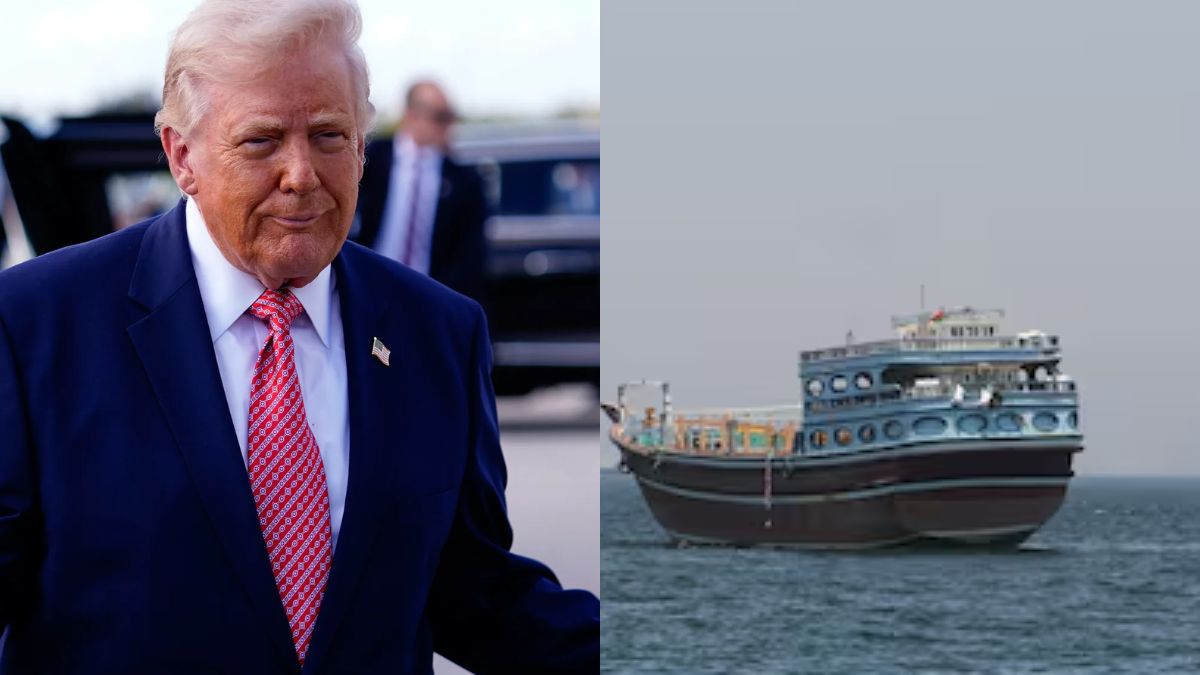
The Strait of Hormuz, a narrow choke point through which a fifth of the world's oil supply passes, remains a crucible of geopolitical tension. In a dramatic turn of events, the United States has declared the 'offensive phase' of its conflict with Iran to be over, a statement that comes hot on the heels of President Trump's decision to temporarily halt 'Project Freedom'—a controversial military initiative—in a bid to push for a new diplomatic resolution with Tehran. This development, while offering a glimmer of hope, does little to assuage the deep-seated anxieties gripping the international community, as the American blockade of Iranian ports persists and Brent crude oil prices, though currently at $108/bbl, reflect the market's underlying volatility.
A Perilous Pause: Decoding 'Project Freedom' and its Implications
'Project Freedom' has been a cornerstone of the US strategy against Iran, a multifaceted initiative encompassing heightened military presence, economic sanctions, and cyber operations aimed at curtailing Iran's nuclear ambitions and regional influence. Its sudden pause, announced by the Trump administration, signals a potential shift from overt military pressure to a renewed focus on negotiation. However, the exact parameters of this pause remain ambiguous. Is it a genuine olive branch, or a tactical repositioning designed to exert different forms of leverage? Analysts are divided. Some argue it's a pragmatic move to de-escalate a situation teetering on the brink of wider conflict, acknowledging the immense economic and human cost of prolonged confrontation. Others view it with skepticism, suggesting it could be a temporary reprieve before a more aggressive stance, or a means to pressure Iran into concessions without appearing overtly hostile.
The immediate impact on global markets has been palpable. Brent crude, which had soared amidst fears of supply disruptions in the Strait of Hormuz, saw a significant drop to $108 per barrel. This dip, while welcomed by energy consumers, underscores the fragility of the situation. Any perceived escalation or breakdown in potential talks could send prices skyrocketing once more, highlighting the Strait's critical role in global energy security. The shipping industry, already grappling with increased insurance premiums and rerouting costs, remains on high alert, with advisories warning of continued risks despite the supposed de-escalation.
The Lingering Blockade and Iran's Economic Ordeal
Despite the rhetorical shift from the US, the economic blockade against Iran remains firmly in place. This blockade, a complex web of sanctions targeting Iran's oil exports, banking sector, and military-industrial complex, continues to cripple the Iranian economy. The Iranian Rial has plummeted, inflation is rampant, and unemployment figures are soaring. The average Iranian citizen bears the brunt of these punitive measures, leading to widespread discontent and sporadic protests across the country. The US stance is clear: sanctions will only be lifted in exchange for verifiable commitments from Tehran regarding its nuclear program, ballistic missile development, and support for regional proxies.
Tehran's response has been a mix of defiance and cautious optimism. While Iranian officials have welcomed any sign of de-escalation, they have also reiterated their demand for the unconditional lifting of all sanctions as a prerequisite for meaningful negotiations. Mixed signals from various factions within the Iranian leadership—from hardliners advocating for steadfast resistance to more moderate voices open to dialogue—further complicate the diplomatic landscape. This internal division makes it challenging for external actors to predict Iran's next move, adding another layer of uncertainty to an already volatile equation.
Historical Echoes and the Path Forward
The current standoff is not without historical precedent. The US-Iran relationship has been characterized by decades of mistrust, punctuated by periods of intense confrontation and fleeting attempts at rapprochement. From the 1953 coup d'état to the 1979 Islamic Revolution, the hostage crisis, and the nuclear deal (JCPOA), the two nations have been locked in a complex dance of power and ideology. Understanding this historical context is crucial to grasping the depth of the current impasse. Both sides harbor deep-seated grievances and strategic imperatives that make a swift resolution exceedingly difficult.
The path forward is fraught with challenges. For a lasting resolution to emerge, several key factors must align:
* Trust Building: Both sides need to demonstrate genuine commitment to de-escalation and negotiation, moving beyond rhetoric. * Economic Relief: Iran needs tangible economic benefits from any deal, while the US needs assurances that such relief won't fund illicit activities. * Regional Stability: Any agreement must address Iran's role in regional conflicts, a major point of contention for the US and its allies. * International Consensus: A broad international consensus, particularly from European powers, China, and Russia, would lend legitimacy and enforceability to any new agreement.
Expert Analysis: A Tightrope Walk for Diplomacy
Experts widely agree that the current situation represents a precarious tightrope walk for diplomacy. Dr. Sarah Jenkins, a Middle East policy analyst at the Global Security Institute, notes, “Trump’s pause of 'Project Freedom' is a high-stakes gamble. It could either open a critical window for dialogue or be perceived as weakness, emboldening hardliners in Tehran. The key will be whether both sides can find common ground on a framework that addresses core security concerns without demanding complete capitulation from either party.” She emphasizes that the lack of direct communication channels and the deep-seated ideological differences pose significant hurdles.
Furthermore, the regional dimension cannot be overlooked. Saudi Arabia, Israel, and other Gulf states are closely watching developments, wary of any deal that might empower Iran. Their security concerns are legitimate and must be integrated into any comprehensive resolution. The potential for proxy conflicts to flare up, even amidst diplomatic overtures, remains a constant threat, underscoring the interconnectedness of regional stability with the broader US-Iran dynamic.
Conclusion: A Fragile Peace, Awaiting Resolution
The situation in the Strait of Hormuz and the broader US-Iran relationship remains a testament to the complexities of modern geopolitics. The pause in 'Project Freedom' offers a fragile moment of respite, a potential pivot point from confrontation to negotiation. However, the enduring blockade, the mixed signals from Tehran, and the deep historical animosities mean that the road to a lasting peace is long and arduous. The world watches with bated breath, hoping that diplomacy can prevail over the ever-present specter of conflict, ensuring the stability of a region vital to global prosperity and security. The coming weeks will be critical in determining whether this pause marks the beginning of a genuine de-escalation or merely a temporary lull before the next storm.
Stay Informed
Get the world's most important stories delivered to your inbox.
No spam, unsubscribe anytime.
Comments
No comments yet. Be the first to share your thoughts!