Strait of Hormuz Tensions Escalate: Iran's Warning After Ship Seizure
Amidst reports of an oil tanker being seized in the Strait of Hormuz, Iran's foreign minister has issued a stern warning, demanding cooperation from all vessels navigating the critical waterway. This incident reignites fears of regional instability and disruption to global oil supplies. International maritime authorities are closely monitoring the situation as diplomatic efforts intensify to de-escalate the volatile standoff.
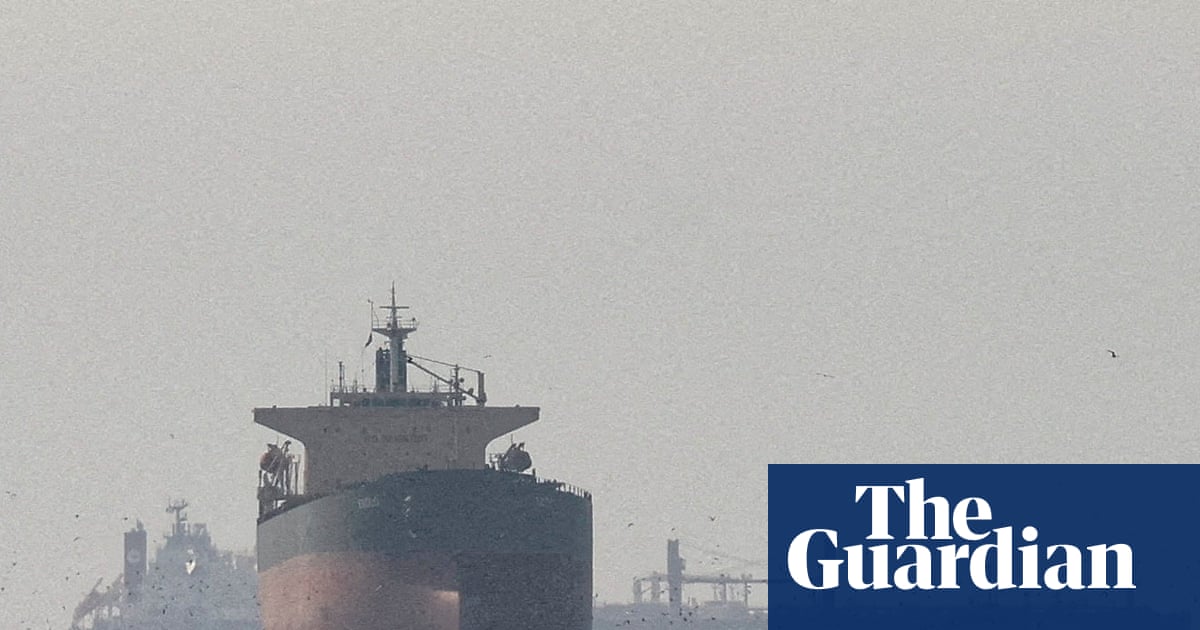
The Strait of Hormuz, a narrow yet profoundly strategic maritime choke point, has once again become the epicenter of escalating geopolitical tensions. Following reports of a commercial vessel being seized by "unauthorised personnel" outside a United Arab Emirates port and subsequently directed towards Iranian waters, Iran's foreign minister, Abbas Araghchi, issued a stark warning: ships entering the strait must cooperate with the Iranian navy. This incident, shrouded in initial confusion and conflicting reports, has sent ripples of concern through global shipping lanes and international capitals, underscoring the precarious balance of power in one of the world's most vital energy corridors.
A Choke Point Under Duress: The Geopolitical Significance of Hormuz
The Strait of Hormuz is not merely a shipping route; it is the lifeline of global oil trade, through which approximately one-fifth of the world's total oil consumption, and a significant portion of its liquefied natural gas (LNG), passes daily. Bordered by Iran to the north and Oman and the United Arab Emirates to the south, its narrowest point is just 21 nautical miles wide, making it exceptionally vulnerable to disruption. For decades, the strait has been a flashpoint in regional conflicts, particularly between Iran and Western powers, due to its strategic importance. Any significant disruption here can send oil prices soaring, destabilize energy markets, and trigger widespread economic repercussions far beyond the Middle East. The current incident, involving a vessel reportedly seized and taken towards Iranian waters, immediately evokes memories of past confrontations and raises the specter of a renewed maritime crisis.
Historically, Iran has frequently asserted its right to control or even close the strait, particularly in response to international sanctions or perceived threats to its national security. These threats, often rhetorical, serve as a potent reminder of Iran's leverage over global energy supplies. The UK Maritime Trade Operations (UKMTO), a British naval information service, initially reported an "incident" off the coast of Fujairah, a major bunkering port in the UAE, advising vessels to exercise extreme caution. This was followed by reports from maritime security firms suggesting that a vessel, later identified as the Asphalt Princess, an asphalt and bitumen tanker, had been boarded and rerouted. Such events are not isolated; they are part of a broader pattern of maritime insecurity in the region, often attributed to proxy conflicts and direct confrontations between Iran and its adversaries.
Unraveling the Incident: Conflicting Narratives and International Response
The initial reports surrounding the seizure of the Asphalt Princess were characterized by a fog of war-like uncertainty. While some sources indicated an act of piracy, others quickly pointed towards state-sponsored action. The Iranian foreign ministry initially denied any involvement, stating that it was investigating the reports. However, the subsequent statement from Foreign Minister Araghchi, emphasizing the need for cooperation with the Iranian navy, suggests a more assertive posture. This duality in communication—initial denial followed by a demand for compliance—is a common feature of Iran's diplomatic strategy, often used to assert its regional influence while maintaining a degree of plausible deniability.
International reactions have been swift and concerned. The United States and the United Kingdom have expressed deep concern, with officials indicating they are monitoring the situation closely and coordinating with allies. The incident comes against a backdrop of heightened tensions following a recent drone attack on the Mercer Street tanker, which the US and UK attributed to Iran, an accusation Tehran denied. These successive incidents paint a picture of a region teetering on the brink, where each maritime event risks spiraling into a larger confrontation. Shipping companies and insurers are already factoring in increased risks, leading to higher premiums and potentially rerouting decisions, which ultimately drive up costs for consumers globally.
Historical Context and Precedents: A Pattern of Confrontation
To understand the gravity of the current situation, it's crucial to examine the historical context of maritime incidents in the Strait of Hormuz. In 2019, a series of attacks on tankers in the Gulf of Oman, followed by Iran's seizure of the British-flagged Stena Impero tanker, brought the region to the brink of a major conflict. Iran justified the Stena Impero seizure as retaliation for the UK's impounding of an Iranian tanker, the Grace 1 (later Adrian Darya 1), off Gibraltar. These tit-for-tat actions highlight a dangerous cycle of escalation that has characterized Iran's relationship with Western powers and regional rivals.
Moreover, the Islamic Revolutionary Guard Corps (IRGC), Iran's elite military force, plays a significant role in enforcing Iran's maritime claims. The IRGC Navy often conducts exercises in the strait and has been involved in numerous confrontations with foreign vessels, including US naval ships. Their operational doctrine emphasizes asymmetric warfare, utilizing fast attack boats, mines, and anti-ship missiles to challenge larger, technologically superior forces. This capability, combined with Iran's strategic location, gives it a powerful, albeit risky, deterrent against external pressures. The current demand for cooperation from the Iranian navy can be interpreted as an assertion of sovereignty and a warning against perceived infringements in what Iran considers its sphere of influence.
Implications for Global Trade and Regional Stability
The immediate implications of such incidents are manifold. For global trade, the increased risk premium for shipping through the Strait of Hormuz directly translates to higher costs for energy, impacting economies worldwide. For regional stability, these events fuel an already volatile environment, increasing the likelihood of miscalculation or accidental escalation. Countries like Saudi Arabia, the UAE, and Qatar, which rely heavily on the strait for their oil and gas exports, view these developments with profound apprehension. Their economic prosperity and national security are inextricably linked to the free flow of commerce through this waterway.
Furthermore, the incident complicates ongoing diplomatic efforts to revive the Joint Comprehensive Plan of Action (JCPOA), the 2015 nuclear deal. Tensions in the Gulf often spill over into nuclear negotiations, as hardliners in both Iran and the West use such events to strengthen their positions. A stable and secure Strait of Hormuz is essential not only for global energy security but also for creating an environment conducive to successful diplomatic engagement. The international community faces the delicate task of de-escalating the current standoff while upholding the principles of freedom of navigation and international maritime law.
Looking Ahead: Navigating a Perilous Path
The seizure of the Asphalt Princess and Iran's subsequent pronouncements underscore the enduring fragility of peace in the Persian Gulf. The region remains a powder keg, where local disputes can quickly acquire international dimensions. Moving forward, a concerted international effort will be required to ensure the safety of maritime traffic in the Strait of Hormuz. This includes robust diplomatic engagement, clear communication channels to prevent miscalculation, and potentially enhanced naval presence by international coalitions to deter further aggressions.
However, any solution must also address the underlying geopolitical grievances that fuel these tensions. Without a broader framework for regional security and a pathway to de-escalation between Iran and its adversaries, the Strait of Hormuz will continue to be a barometer of instability, threatening global energy supplies and the delicate balance of international relations. The world watches anxiously as stakeholders navigate this perilous path, hoping to avert a wider conflict in a region already scarred by decades of strife. The cooperation demanded by Iran, while seemingly straightforward, carries complex implications for international maritime law and the future of global commerce.
Stay Informed
Get the world's most important stories delivered to your inbox.
No spam, unsubscribe anytime.
Comments
No comments yet. Be the first to share your thoughts!