Super El Niño Warning: Unprecedented Weather Events Loom Amidst Climate Change
Climate scientists are sounding the alarm about a potential 'super' El Niño, predicted to be the strongest on record. This phenomenon, exacerbated by human-caused climate change, could unleash extreme weather events globally, from scorching heatwaves and droughts to devastating floods. While experts urge preparedness over panic, the implications for agriculture, infrastructure, and human lives are profound, demanding urgent international cooperation and adaptive strategies.
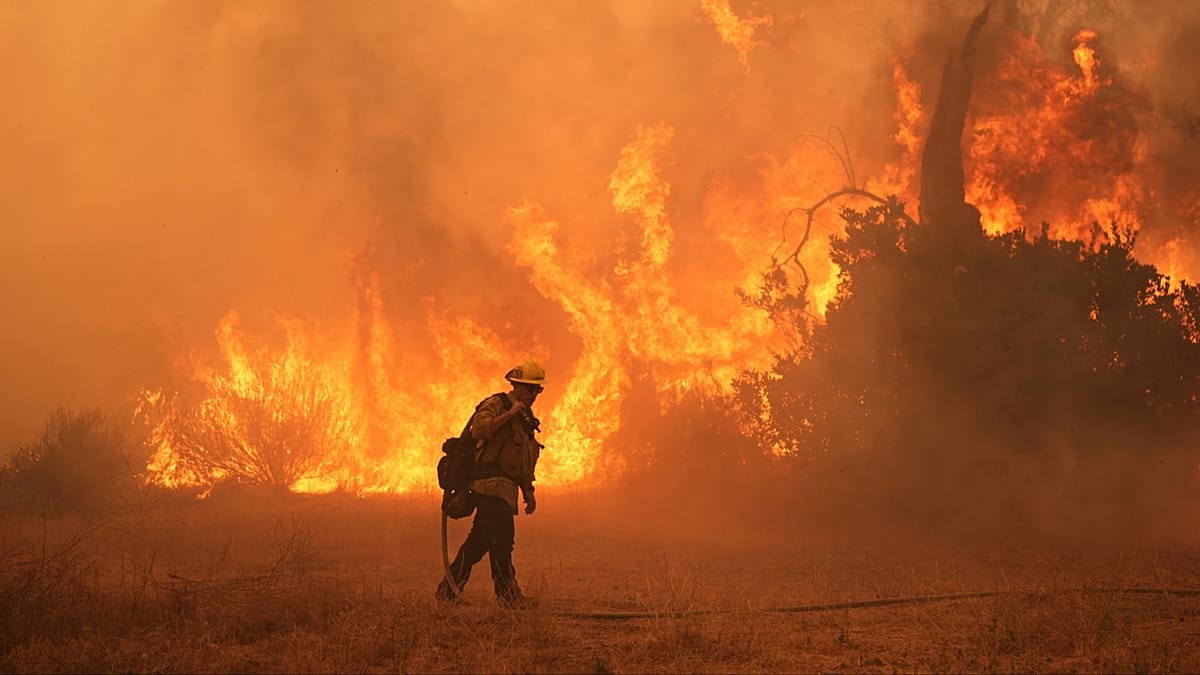
The whispers among climate scientists are growing louder, coalescing into a stark warning: a 'super' El Niño, potentially the strongest ever recorded, is on the horizon. This natural climate pattern, characterized by the warming of ocean surface temperatures in the central and eastern tropical Pacific, is poised to unleash a cascade of unprecedented weather events across the globe. What makes this particular forecast so alarming is its convergence with an already warming planet, where human-caused climate change is amplifying the intensity and frequency of extreme weather phenomena. As one meteorologist grimly put it, “I think we’re going to see weather events that we’ve never seen in modern history before.”
The Anatomy of a 'Super' El Niño
El Niño is part of a larger climate cycle known as the El Niño-Southern Oscillation (ENSO), which has three phases: El Niño, La Niña, and a neutral phase. During an El Niño, trade winds weaken, and warm water is pushed eastward towards the Americas, suppressing the upwelling of cold, nutrient-rich water. This shift in ocean temperatures profoundly alters atmospheric circulation patterns, leading to a ripple effect on weather systems worldwide. Typically, El Niño brings heavier rainfall to parts of the Americas, particularly the southern U.S. and Peru, while causing droughts in regions like Australia, Indonesia, and parts of Africa.
A 'super' El Niño, however, signifies an event of extraordinary magnitude, where the warming of the Pacific is far more pronounced and sustained. The last truly powerful El Niño events occurred in 1997-98 and 2015-16, both of which caused significant global disruption, including widespread crop failures, severe floods, and intense heatwaves. Scientists measure the strength of El Niño by the sea surface temperature anomalies in a specific region of the Pacific Ocean (Niño 3.4 region). A 'super' El Niño typically sees anomalies exceeding 2.0°C above average, indicating a massive transfer of heat from the ocean to the atmosphere, capable of driving extreme weather on an unparalleled scale.
Climate Change: The Amplifier Effect
While El Niño is a natural phenomenon, its potential impact this year is inextricably linked to the backdrop of anthropogenic climate change. The Earth's average temperature has already risen by approximately 1.2°C since pre-industrial times, making extreme weather events inherently more intense. A warmer atmosphere holds more moisture, leading to heavier rainfall and more severe flooding in some areas, while simultaneously intensifying heatwaves and exacerbating droughts in others. This means that when a powerful El Niño injects additional heat and disrupts established weather patterns, the consequences are likely to be far more severe than in a cooler climate.
For instance, regions typically prone to El Niño-induced droughts, such as the Amazon basin or parts of Southeast Asia, could experience unprecedented water scarcity, threatening agriculture and increasing the risk of wildfires. Conversely, areas usually experiencing increased rainfall, like the southwestern United States, might face torrential downpours, leading to flash floods and landslides. The sheer amount of energy trapped in the Earth's system due to greenhouse gas emissions acts as a force multiplier, turning already significant El Niño effects into potentially catastrophic ones.
Global Implications and Regional Vulnerabilities
The reach of a 'super' El Niño is truly global, affecting every continent in some capacity. In South America, countries like Peru and Ecuador could face devastating floods and mudslides, impacting infrastructure and displacing communities. Conversely, parts of the Amazon could experience severe drought, threatening biodiversity and indigenous populations. North America might see a wetter, cooler winter in the southern U.S., but also increased risk of wildfires in the west due to preceding dry conditions. Australia and Southeast Asia are typically hit with prolonged droughts, impacting agricultural yields and increasing bushfire risks. Africa, particularly the Horn of Africa, could face intensified droughts or, in some eastern regions, heavy rainfall and flooding, exacerbating existing humanitarian crises.
Beyond immediate weather events, the economic ramifications are immense. Agriculture, a sector highly sensitive to weather patterns, faces significant disruption, potentially leading to food price spikes and increased food insecurity. Fisheries, particularly in the Pacific, are also vulnerable as changes in ocean temperatures affect marine life distribution. Infrastructure, from roads and bridges to power grids, is at risk from extreme winds, floods, and heat. The human cost, measured in lives lost, displacement, and health impacts from heat stress or waterborne diseases, is perhaps the most profound.
Preparedness Over Panic: A Call to Action
Despite the dire predictions, climate scientists emphasize that this is not a reason to
Stay Informed
Get the world's most important stories delivered to your inbox.
No spam, unsubscribe anytime.
Comments
No comments yet. Be the first to share your thoughts!