Swatch Mania: The £335 Moonswatch Pocket Watch That Shut Down UK Stores
Unexpected scenes of chaos unfolded across the UK as hundreds queued for Swatch's new £335 Moonswatch pocket watch, forcing store closures. This phenomenon highlights a potent blend of brand hype, limited editions, and the enduring allure of collectible items, even in the digital age. The incident prompts questions about consumer behavior, marketing strategies, and the surprising resilience of physical retail experiences.
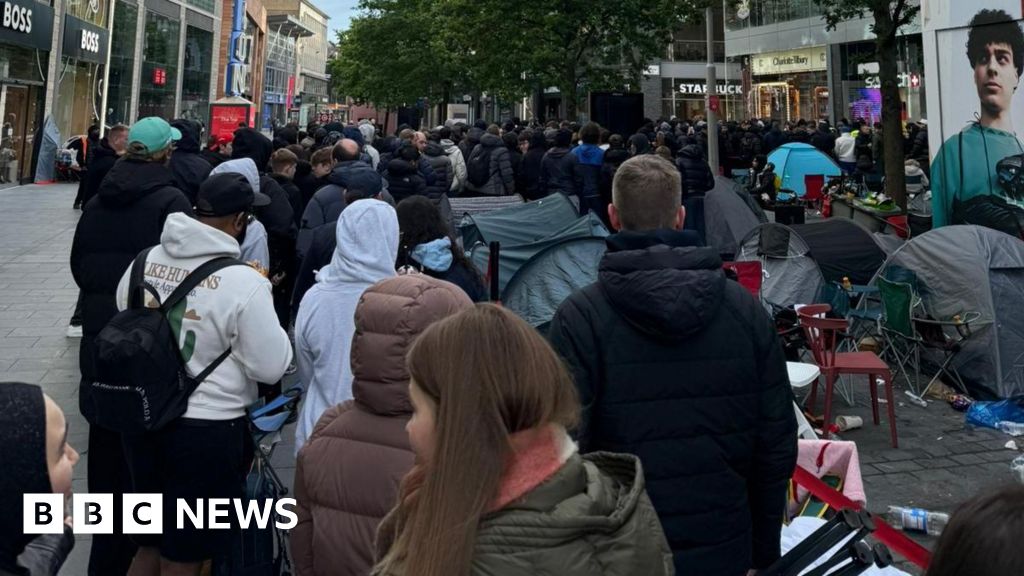
In an era dominated by digital transactions and online shopping, the sight of hundreds of people queuing for hours, even days, outside physical retail stores might seem like a relic of the past. Yet, this exact scenario played out across the United Kingdom recently, as Swatch, the iconic Swiss watchmaker, found itself overwhelmed by unprecedented demand for its new £335 Moonswatch pocket watch. The fervor reached such a pitch that the company was forced to close its branches in major cities, including London, citing "safety considerations for both our staff and customers." This extraordinary event is more than just a story about a watch; it's a fascinating case study in brand power, the psychology of collecting, and the surprising resilience of the physical retail experience in a hyper-connected world.
The Allure of the Limited Edition: A Marketing Masterclass
The Moonswatch phenomenon isn't new for Swatch. The original collaboration with Omega, which reimagined Omega's legendary Speedmaster Moonwatch in Swatch's bioceramic material, sparked similar global queues and secondary market frenzies. Priced at a fraction of the Omega original, the Moonswatch offered accessibility to a coveted design, tapping into both aspirational luxury and nostalgic appeal. The pocket watch version, released as a limited edition, amplified this strategy. By deliberately creating scarcity, Swatch triggers a powerful psychological response in consumers: the fear of missing out (FOMO). This scarcity, combined with a relatively accessible price point for a collectible item, transforms a simple product launch into a cultural event.
Historically, luxury brands have long utilized limited editions to maintain exclusivity and drive demand. From haute couture collections to rare sports car models, the principle remains the same: restrict supply to inflate perceived value and desirability. What Swatch has masterfully done is democratize this strategy, applying it to a product that, while not cheap, is far more attainable than traditional luxury goods. This approach generates immense organic buzz, turning customers into eager participants in a treasure hunt rather than passive consumers. The queues themselves become part of the spectacle, further fueling the hype on social media and traditional news outlets.
Consumer Psychology: The Thrill of the Chase
Why would hundreds of people dedicate hours, enduring adverse weather and long waits, for a watch? The answer lies deep within consumer psychology. Beyond the intrinsic value of the product, the act of acquiring a limited-edition item offers a unique blend of satisfaction and social currency. It's not just about owning the watch; it's about the story of how you got it. The shared experience of queuing, the camaraderie among fellow enthusiasts, and the ultimate triumph of securing a coveted item all contribute to a heightened sense of achievement.
Moreover, the secondary market plays a significant role. Many individuals in these queues are not just passionate collectors; some are undoubtedly resellers looking to capitalize on the immediate surge in value that limited-edition items often experience. The original Moonswatch models frequently sold for multiples of their retail price on platforms like eBay, creating an incentive for speculative buying. This dynamic further complicates the retail environment, as genuine enthusiasts compete with those driven by profit motives, intensifying the pressure on stock and store operations. The £335 price point, while substantial, is still low enough to attract both types of buyers, making the investment seem less risky for potential resellers.
Operational Challenges and the Future of Retail Hype
Swatch's decision to close stores highlights a critical operational challenge for retailers when demand far outstrips supply, particularly for physical launches. While the immense interest is a testament to successful marketing, managing large, enthusiastic crowds safely requires significant planning and resources. Uncontrolled queues can lead to public order issues, safety hazards, and negative publicity, as Swatch experienced.
This incident prompts a broader discussion about how brands manage hype in an increasingly digital world. While online drops can mitigate crowd control issues, they often lead to website crashes and bot-driven scalping. Physical releases, despite their logistical complexities, offer an unparalleled sense of event and community. The challenge for brands like Swatch is to find a balance: how to harness the power of physical scarcity and communal excitement without compromising safety or alienating genuine customers. Perhaps future launches will see more structured queuing systems, lottery-based access, or even timed appointments to manage demand more effectively.
Beyond the Watch: Implications for the 'Crypto' Category
While the Swatch Moonswatch is a physical product, the underlying dynamics of scarcity, community, and speculative value resonate strongly with trends observed in the crypto and NFT (Non-Fungible Token) spaces. The rapid rise of digital collectibles, often driven by similar FOMO and the promise of future appreciation, mirrors the physical world's limited-edition phenomena. Just as a Moonswatch gains value due to its limited availability and brand association, an NFT's worth can be tied to its unique digital identity and the community built around its project.
Consider the initial hype around certain cryptocurrencies or NFT collections. Early adopters often benefit from significant price surges, attracting more participants hoping to replicate those gains. The concept of a 'whitelist' for NFT drops is akin to being first in line for a physical product, offering exclusive access to a scarce asset. Both scenarios involve a blend of genuine passion, speculative investment, and the desire to be part of an exclusive group. The Swatch phenomenon serves as a tangible reminder that human psychology, whether applied to physical watches or digital assets, remains a powerful driver of market behavior.
Conclusion: The Enduring Power of Tangible Desire
The scenes outside Swatch stores are a powerful reminder that despite the pervasive influence of e-commerce and digital experiences, there remains a profound human desire for tangible objects, shared experiences, and the thrill of the chase. The Moonswatch pocket watch, a relatively simple item, became a catalyst for a phenomenon that transcends mere consumerism, touching upon aspects of collecting, community, and even speculative investment. As brands continue to navigate the complexities of modern retail, the Swatch saga offers invaluable lessons on the potent combination of strategic scarcity, accessible luxury, and the enduring power of a well-executed marketing narrative. It underscores that even in a highly digitized world, the physical retail experience, when imbued with sufficient hype and exclusivity, can still draw crowds and create indelible moments, proving that the pulse of consumer desire beats strongly, both online and in the streets.
Stay Informed
Get the world's most important stories delivered to your inbox.
No spam, unsubscribe anytime.
Comments
No comments yet. Be the first to share your thoughts!