Tech Titans and Trade Winds: Decoding the Impact of Trump's CEO-Laden China Trip
President Donald Trump's anticipated trip to China, accompanied by tech giants like Tim Cook and Elon Musk, signals a pivotal moment for US-China economic relations. This high-profile delegation underscores the intricate dance between global commerce, technological innovation, and geopolitical strategy. We delve into the potential implications for market access, intellectual property, and the future of the tech industry amidst escalating trade tensions.
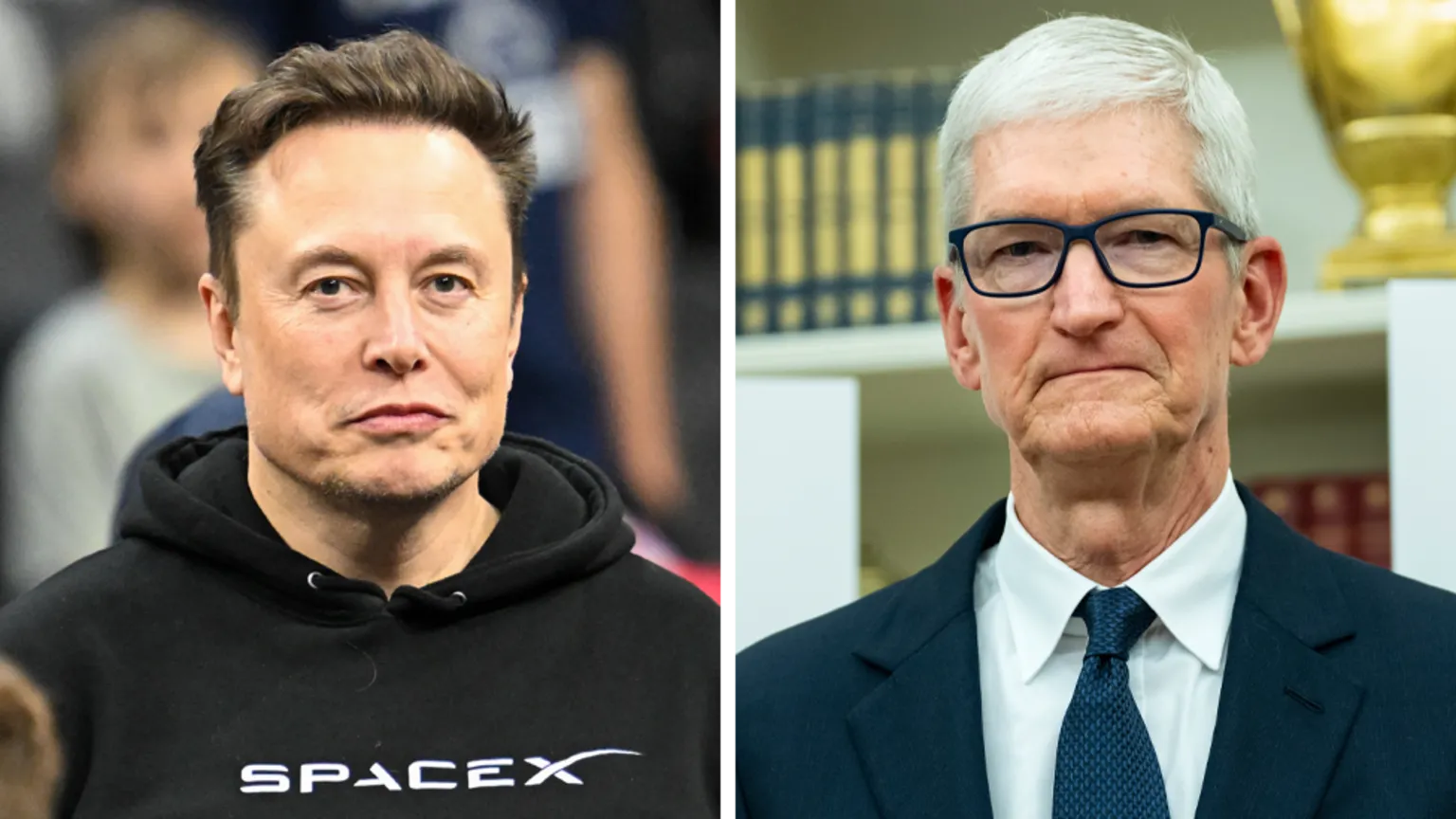
The geopolitical chessboard of global economics is rarely more vividly displayed than when a head of state embarks on a high-stakes diplomatic mission, particularly one involving the world's two largest economies. This week, President Donald Trump's anticipated visit to China is poised to be just such an event, but with an unprecedented twist: he is expected to be flanked by a formidable contingent of America's most influential business and technology leaders. Among those rumored to join the presidential entourage are Tim Cook of Apple and Elon Musk of Tesla, figures whose companies represent the zenith of American innovation and economic power. Their presence elevates this trip from a mere state visit to a critical juncture for international trade, technological collaboration, and the delicate balance of power between Washington and Beijing. The stakes are astronomically high, with implications that could ripple through global supply chains, financial markets, and the very fabric of technological advancement for years to come.
The Delegation's Weight: A Strategic Gambit
The inclusion of CEOs from companies as diverse and impactful as Apple and Tesla is a clear strategic move by the Trump administration. It sends a powerful message: American business interests are at the forefront of this diplomatic push. For Apple, China is not just a massive consumer market but also a critical manufacturing hub, deeply integrated into its supply chain. Any disruption to this relationship, whether through tariffs or regulatory hurdles, has immediate and significant consequences for the company's bottom line and global operations. Tim Cook's presence could be interpreted as a direct effort to safeguard these interests, advocating for stable trade policies and fair market access.
Tesla, on the other hand, represents a different facet of American ambition in China. While Apple has long been established, Tesla is a relative newcomer aggressively expanding its footprint, notably with its Gigafactory in Shanghai – a testament to China's allure for foreign investment, despite lingering concerns about market entry barriers and intellectual property (IP) protection. Elon Musk's involvement could signal a desire to secure favorable conditions for continued expansion, navigate complex regulatory landscapes, and perhaps even push for greater transparency and reduced restrictions for foreign electric vehicle manufacturers. The collective weight of these executives provides Trump with significant leverage, transforming them from mere observers into active participants in shaping the future of US-China economic dialogue.
Historical Context: A Legacy of Trade and Tensions
The US-China economic relationship has always been complex, characterized by periods of robust growth intertwined with persistent friction. From China's entry into the World Trade Organization (WTO) in 2001, which spurred an unprecedented era of globalization, to the more recent trade wars initiated by the Trump administration, the dynamic has been one of constant evolution. Early optimism about China's market liberalization often clashed with realities of state-backed enterprises, forced technology transfers, and what many US businesses perceived as an uneven playing field. The current trip occurs against a backdrop of these long-standing grievances, exacerbated by concerns over national security, human rights, and China's growing technological prowess.
Previous administrations have also brought business leaders on diplomatic trips, but the sheer prominence and collective market capitalization of this rumored delegation are notable. It underscores a shift in strategy, moving beyond purely governmental negotiations to a more direct engagement between the private sectors of both nations. However, this also places these corporate leaders in a delicate position, balancing their companies' global interests with their home country's strategic objectives. The outcomes of such high-level discussions could set precedents for how multinational corporations operate in increasingly polarized geopolitical environments.
Key Issues on the Table: Beyond Tariffs
While tariffs and trade imbalances often dominate headlines, the discussions during this trip are expected to delve into far more intricate and impactful areas. Intellectual property theft remains a perennial concern for American tech companies. Many have long accused Chinese entities of stealing trade secrets and forcing technology transfers as a condition for market access. Securing stronger IP protections and enforcement mechanisms would be a significant win for the US delegation and a major relief for companies like Apple and Tesla, whose innovation is their lifeblood.
Another critical issue is market access and regulatory hurdles. Despite China's vast consumer base, foreign companies often face a labyrinth of regulations, licensing requirements, and unofficial barriers that favor domestic competitors. The tech sector, in particular, has seen increased scrutiny, with data localization laws and cybersecurity regulations posing significant challenges. The CEOs present will likely advocate for a more transparent, predictable, and equitable regulatory environment. Furthermore, discussions around supply chain resilience and diversification are likely to feature prominently, especially in light of recent global disruptions and the push for 'decoupling' in critical technology sectors. The trip could also touch upon environmental cooperation and the development of green technologies, areas where companies like Tesla have a vested interest and where US-China collaboration could yield global benefits.
Implications for the Global Tech Landscape
The outcomes of this trip will reverberate across the global technology landscape. Success in securing better IP protections and market access could embolden American companies to deepen their investments in China, fostering greater innovation and competition. Conversely, a failure to address these core grievances could accelerate the trend of supply chain diversification away from China, potentially leading to higher costs and a more fragmented global tech ecosystem. For companies like Apple, heavily reliant on Chinese manufacturing, such a shift would necessitate massive reconfigurations of their production strategies.
Moreover, the discussions could influence the future of 5G deployment, artificial intelligence (AI) research, and the development of semiconductor technology – all critical battlegrounds in the ongoing technological rivalry. Any agreements or disagreements on these fronts will not only affect the companies involved but also shape the technological trajectory of both nations and, by extension, the world. The presence of these tech titans underscores the private sector's increasing role in international diplomacy, blurring the lines between corporate interests and national strategy. Their ability to influence policy directly could set a new precedent for how global economic relations are managed.
A Forward-Looking Perspective: Navigating a New Era
As President Trump and his formidable business delegation land in Beijing, the world watches with bated breath. This trip is more than just a series of meetings; it is a barometer for the future of US-China relations and a test of whether economic interdependence can truly temper geopolitical competition. The presence of figures like Tim Cook and Elon Musk highlights the intricate web of commercial interests that bind these two superpowers, even amidst ideological differences and strategic rivalries. Their advocacy for fair play, open markets, and robust intellectual property rights could pave the way for a more stable and prosperous global economic order.
However, the path ahead is fraught with challenges. The deep-seated issues of trade imbalances, technology transfer, and national security concerns are not easily resolved. The success of this mission will ultimately be measured not just by immediate concessions but by the long-term commitment to a more equitable and transparent framework for engagement. For the global tech industry, the outcome will dictate the pace of innovation, the resilience of supply chains, and the very nature of international collaboration in an increasingly interconnected yet fragmented world. The stakes are immense, and the reverberations of this week's discussions will be felt for years to come, shaping the contours of the 21st-century global economy.
Stay Informed
Get the world's most important stories delivered to your inbox.
No spam, unsubscribe anytime.
Comments
No comments yet. Be the first to share your thoughts!