Terminal Transformation: New Tool Renders Distro Logos as Rotating 3D Objects
A groundbreaking new open-source tool is revolutionizing how Linux users display their distro logos, transforming traditional ASCII art into dynamic, rotating 3D objects directly within the terminal. This purely cosmetic innovation leverages advanced rendering techniques like height mapping and Blinn-Phong shading to create a visually stunning and unique experience.
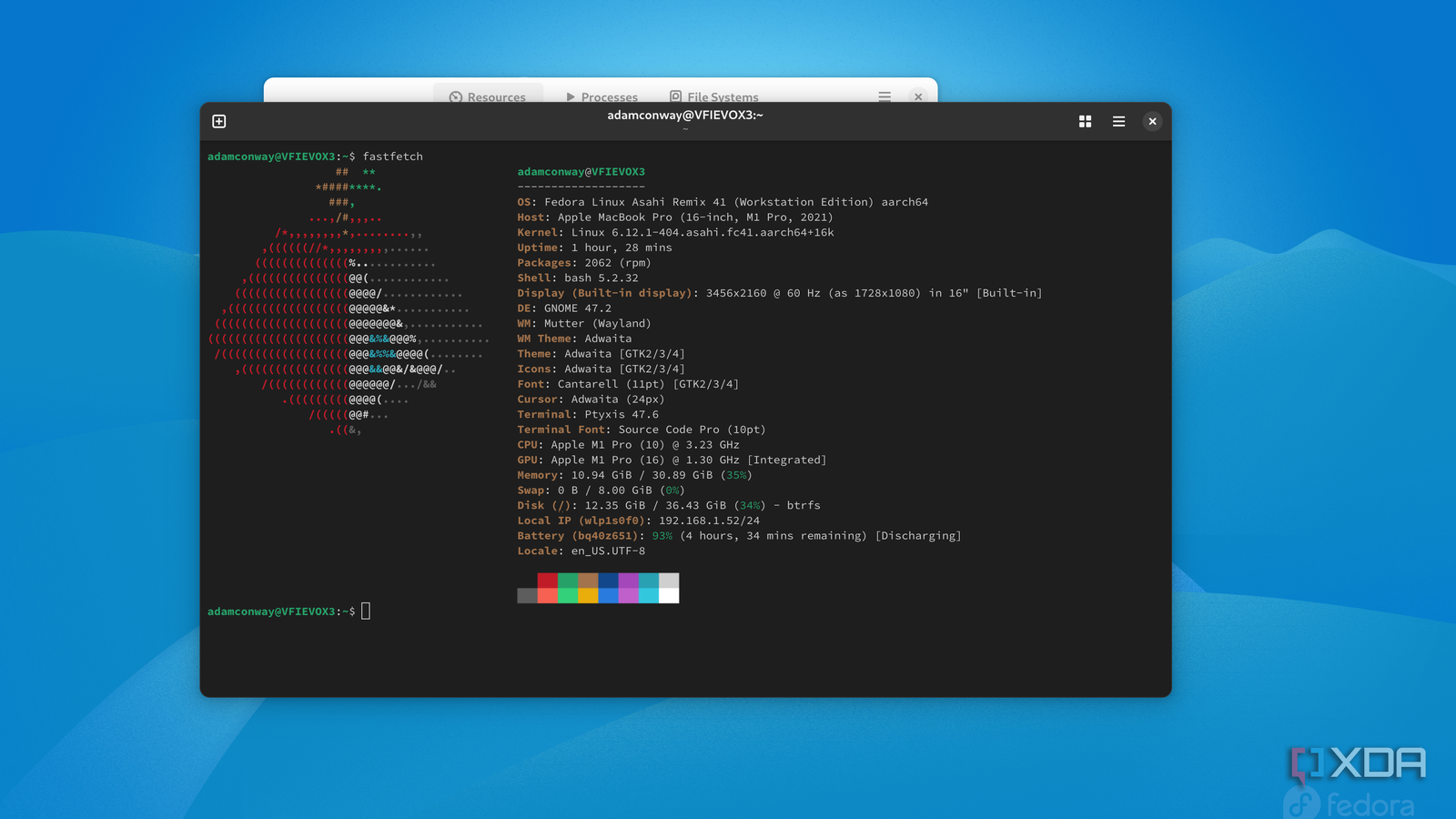
In an era where digital aesthetics often dictate user experience, a new open-source tool is turning heads – and logos – within the Linux community. Moving beyond the familiar, static ASCII art that has long been a hallmark of terminal customization, this innovative utility renders distribution logos as mesmerizing, rotating 3D objects, all within the confines of the command line interface.
Developed as an enhancement to the popular `fastfetch` system information tool, this project takes the textual representation of a distro logo and elevates it into a dynamic, three-dimensional spectacle. The core ingenuity lies in its sophisticated rendering pipeline: it interprets the character density of the ASCII art as a height map, effectively giving depth to the flat image. From this depth information, it then computes surface normals, crucial for determining how light interacts with the object. The final touch is applied through Blinn-Phong shading, a widely used reflection model in computer graphics that simulates the way light reflects off surfaces, adding a realistic sheen and depth to the rotating logo. Furthermore, a z-buffer is implemented to ensure correct depth perception, preventing visual artifacts and making the 3D effect seamless.
While undeniably a 'purely cosmetic' enhancement, as its creators readily admit, its impact on the user experience is significant. For many Linux enthusiasts, the terminal is more than just a functional interface; it's a personal workspace, a canvas for self-expression. Tools like `neofetch` and `fastfetch` have long allowed users to proudly display their system's specifications and chosen distribution with stylized ASCII art. This new tool pushes that personalization further, offering a visually arresting way to 'show off' one's distro with an unprecedented level of flair.
The development highlights a fascinating intersection of retro computing aesthetics and modern graphics rendering techniques. It demonstrates that even within the seemingly constrained environment of a text-based terminal, there's ample room for innovation and visual sophistication. The project not only appeals to the technical prowess of its developers but also taps into the creative spirit of the open-source community, where customization and unique expression are highly valued.
This innovation is more than just a novelty; it's a testament to the enduring creativity within the open-source ecosystem. It challenges the conventional understanding of what's possible in a terminal, proving that even the most utilitarian interfaces can be transformed into engaging visual experiences. As users continue to seek unique ways to personalize their digital environments, tools like this will undoubtedly gain traction, fostering a new wave of terminal art that blends functionality with breathtaking visual appeal. It's a clear signal that the command line, far from being a relic of the past, continues to be a vibrant frontier for technological exploration and artistic expression.