The AI Note-Taking Revolution: How Claude Code is Reshaping Personal Knowledge Management
The advent of advanced AI tools like Claude Code is fundamentally transforming how individuals manage personal knowledge and take notes. This article explores how AI's ability to learn and organize information autonomously is leading users to abandon traditional note-taking apps like Notion, ushering in a new era of efficiency. We delve into the implications for productivity, the future of digital organization, and the challenges and opportunities presented by these intelligent systems.
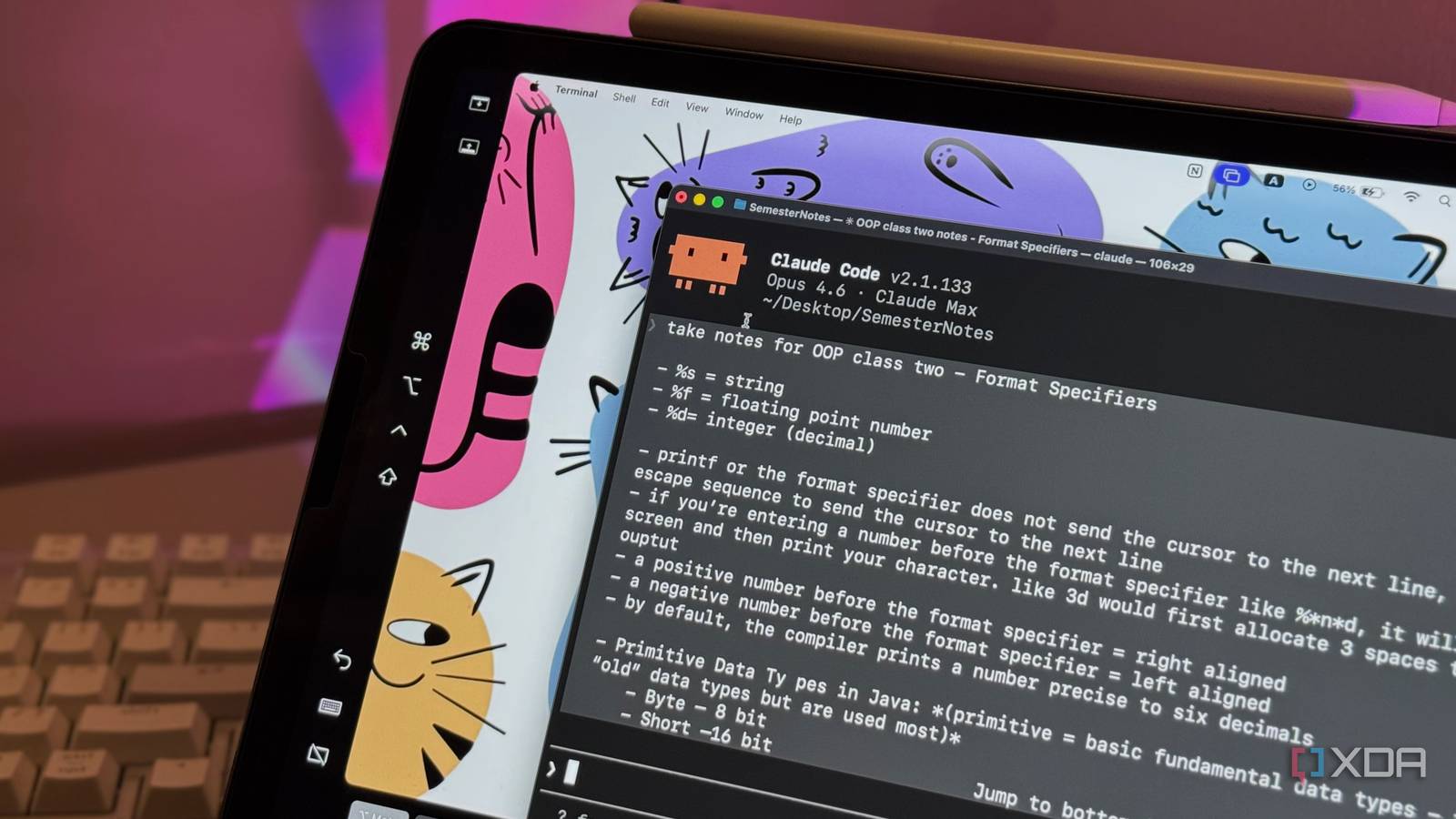
In an increasingly data-rich world, the quest for an efficient and effective note-taking system has become a modern-day holy grail. For years, digital tools like Notion, Evernote, and Obsidian promised salvation, offering flexible canvases for capturing thoughts, organizing projects, and building personal knowledge bases. Yet, for many, these systems often devolved into sprawling, unmanageable digital jungles, demanding more time for organization than for actual creation or learning. This common frustration has now met its match in an unexpected contender: advanced artificial intelligence, specifically tools like Claude Code, which are not just assisting but actively learning how users think and organize information, leading to a profound shift in personal knowledge management.
The recent anecdote of a user cancelling their Notion subscription because their "terminal takes better notes than I do" is more than just a catchy headline; it's a harbinger of a significant technological disruption. This individual's experience, mirroring a growing sentiment, highlights AI's burgeoning capability to not only process information but to understand context, synthesize ideas, and even anticipate organizational needs. This isn't merely about automating tasks; it's about delegating the cognitive load of organization to an intelligent agent, freeing up human intellect for higher-order thinking and creativity. The implications are vast, touching upon productivity, education, and the very nature of how we interact with information in the digital age.
The Evolution of Note-Taking: From Papyrus to AI
The history of note-taking is a rich tapestry, evolving alongside human civilization and technological advancements. From the clay tablets of Mesopotamia and the papyrus scrolls of ancient Egypt to the meticulously bound notebooks of Renaissance scholars and the ubiquitous Post-it notes of the 20th century, the core purpose has remained constant: to externalize thought, preserve knowledge, and aid memory. The digital era ushered in a paradigm shift, offering unprecedented storage, searchability, and connectivity. Early digital tools like Microsoft OneNote and Evernote digitized the notebook, while later innovations like Notion provided highly customizable, database-driven workspaces that promised ultimate flexibility. These tools, however, still placed the onus of structure and organization squarely on the user's shoulders. The user had to define categories, create links, and constantly curate their information architecture.
This manual overhead often became a significant bottleneck. Users found themselves spending hours tagging, linking, and refactoring their notes, battling against the very systems designed to help them. The promise of a 'second brain' often felt like acquiring a second job. This is where AI marks a revolutionary departure. Instead of merely providing a canvas, AI-powered note-takers observe, learn, and proactively organize. They can infer relationships between disparate pieces of information, suggest relevant tags, summarize lengthy texts, and even generate new insights based on the user's existing knowledge base. This represents not just an incremental improvement but a fundamental redefinition of the human-computer interaction in knowledge management.
Claude Code and the Rise of Autonomous Organization
The specific example of Claude Code learning a user's note-taking style is particularly illuminating. Unlike traditional software that requires explicit instructions or pre-defined templates, advanced AI models like those underpinning Claude Code can analyze patterns in how a user captures, categorizes, and retrieves information. They can discern the underlying semantic connections between seemingly unrelated notes, identify recurring themes, and even predict what information might be relevant in a new context. This capability moves beyond simple keyword matching or rule-based automation; it's about contextual understanding and adaptive learning.
Imagine a system that, after observing your habits, automatically groups your meeting notes by project, extracts action items and assigns deadlines, and even drafts follow-up emails. Or a system that, when you're researching a new topic, proactively pulls relevant snippets from your past readings, highlights conflicting viewpoints, and suggests new avenues for exploration. This is the promise of AI-driven note-taking. It transforms the note-taking process from a laborious input-and-organize task into a dynamic, interactive dialogue with an intelligent assistant. The 'terminal' becomes not just a repository but an active participant in knowledge creation, capable of synthesizing and presenting information in ways that enhance human cognition.
Implications for Productivity, Education, and the Future of Work
The widespread adoption of AI in personal knowledge management carries profound implications across various sectors. For individual productivity, it promises to unlock unprecedented levels of efficiency. Professionals, students, and researchers can offload the mental burden of organization, dedicating more cognitive resources to analysis, problem-solving, and creative output. The time saved from manual categorization can be redirected towards deeper engagement with content or the generation of novel ideas. This shift could democratize access to sophisticated organizational techniques, making them accessible to anyone, regardless of their innate organizational skills.
In education, AI note-takers could revolutionize learning. Students might receive personalized summaries of lectures, automatically generated flashcards from their readings, or even AI-curated study guides tailored to their learning style. This could lead to more effective knowledge retention and a deeper understanding of complex subjects. For businesses, the ability to efficiently manage and leverage internal knowledge bases, meeting notes, and project documentation could dramatically improve collaboration, innovation, and strategic decision-making. Companies could move beyond siloed information, fostering a truly interconnected organizational intelligence.
However, this paradigm shift also presents challenges. Concerns about data privacy and security are paramount, as these AI systems will have access to highly personal and sensitive information. The ethical implications of entrusting our intellectual scaffolding to algorithms also warrant careful consideration. Furthermore, there's a potential risk of over-reliance, where individuals might lose some of their innate organizational and critical thinking skills if they delegate too much to AI. The balance between augmentation and dependency will be a crucial aspect to navigate.
The Road Ahead: A Symbiotic Future
The trajectory of AI in note-taking points towards a future of symbiotic knowledge management. This isn't about AI replacing human intellect but rather augmenting it, allowing us to operate at a higher cognitive level. The ideal scenario involves a partnership where the AI handles the mundane, repetitive, and pattern-recognition tasks, while the human focuses on insight generation, creative synthesis, and strategic direction. The tools will become more intuitive, less intrusive, and increasingly personalized, adapting not just to how we take notes but why we take them.
Future developments might include multimodal AI that can process voice notes, handwritten scribbles, and visual diagrams with equal proficiency, integrating them seamlessly into a coherent knowledge graph. We might see AI agents that not only organize but also actively prompt us with relevant information at opportune moments, acting as a true cognitive co-pilot. The days of wrestling with complex folder structures and manual tagging may soon be behind us, replaced by intelligent systems that intuitively understand our intellectual landscape. The journey from a messy Notion dashboard to an autonomously organized terminal is just the beginning of a profound transformation in how we interact with, understand, and create knowledge in the digital age. The future of personal knowledge management is intelligent, adaptive, and deeply personal, promising to unlock unprecedented human potential.
Stay Informed
Get the world's most important stories delivered to your inbox.
No spam, unsubscribe anytime.
Comments
No comments yet. Be the first to share your thoughts!