The Charging Divide: Why Anker's Value Proposition Challenges Apple's Premium Periphery
Apple's premium pricing strategy for its accessories, particularly the 20W USB-C charger, faces stiff competition from third-party manufacturers like Anker. While Apple offers a single charger without a cable for $19, Anker presents a compelling alternative: a two-pack of 20W chargers with two USB-C cables, often for less than half the price. This disparity highlights a growing trend where consumers prioritize value and functionality over brand loyalty for essential tech peripherals. The market is shifting, forcing a reevaluation of what constitutes 'premium' in the charging ecosystem.
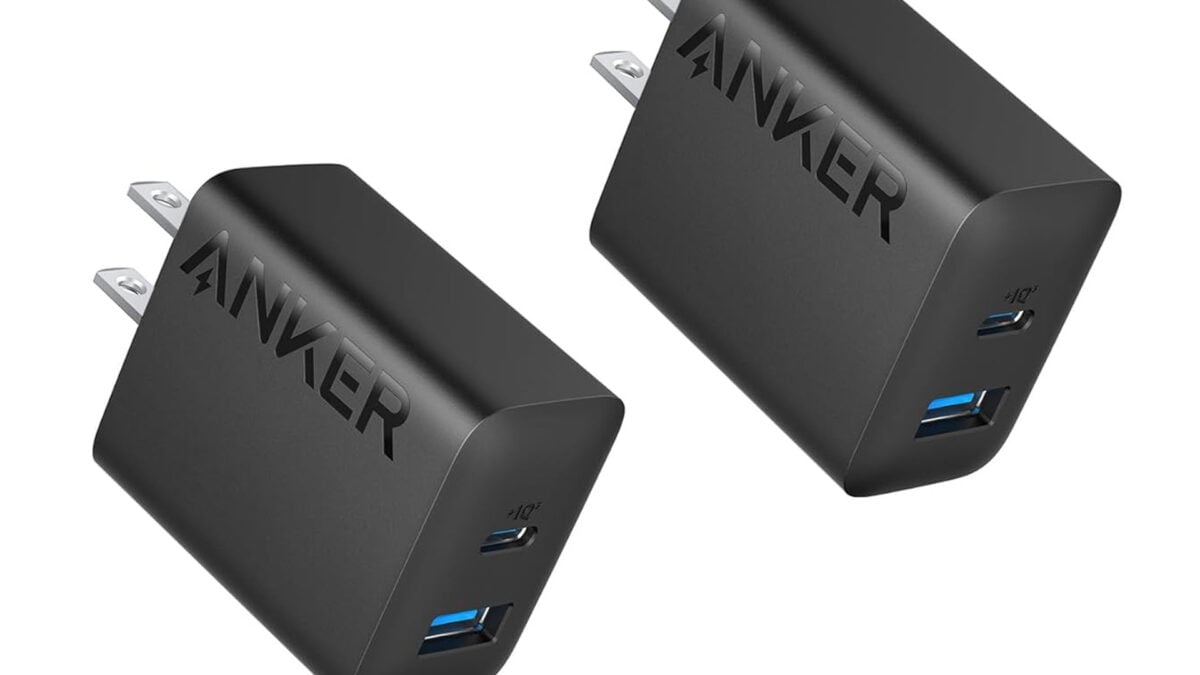
In an era where our digital lives are inextricably linked to the battery life of our devices, the humble charger has ascended from a mere utility to a critical component of our tech ecosystem. Yet, a stark contrast in pricing and value persists, particularly when comparing tech giants like Apple with innovative third-party manufacturers such as Anker. This disparity is perhaps most glaring in the realm of power adapters, where Apple's long-standing strategy of premium pricing for its accessories is increasingly being challenged by more consumer-friendly alternatives.
At the heart of this discussion lies Apple's 20W USB-C power adapter, a seemingly innocuous item that retails for $19 on the official Apple store. What makes this price point particularly noteworthy is its singular offering: one charger, and crucially, no accompanying cable. This approach, while consistent with Apple's ecosystem strategy, often leaves consumers feeling short-changed, especially when considering the ubiquity of USB-C and the readily available, more economical options.
Enter Anker, a brand that has meticulously carved out a reputation for reliable, high-quality charging solutions at competitive prices. Their current offering on Amazon serves as a potent illustration of this market dynamic: a two-pack of 20W chargers, complete with two USB-C cables, often available for significantly less than Apple's single, cable-less adapter. This isn't just a marginal difference; it represents a fundamental divergence in value proposition that is reshaping consumer expectations and purchasing habits.
The Anatomy of Apple's Accessory Strategy
Apple's business model has long been predicated on a blend of cutting-edge design, intuitive user experience, and a robust, albeit expensive, accessory ecosystem. For decades, owning an Apple product has meant entering a world where proprietary connectors, specialized cables, and branded power adapters were the norm. This strategy, while ensuring compatibility and perceived quality, has also been a significant revenue driver, with accessories often boasting impressive profit margins. The decision to unbundle chargers from iPhones, starting with the iPhone 12 series in 2020, was framed as an environmental initiative, aimed at reducing e-waste. However, it simultaneously created a lucrative market for standalone charger sales, reinforcing the need for consumers to purchase essential peripherals separately.
Historically, Apple's control over its accessory market was near absolute, with few third-party options matching the quality or reliability. This allowed them to dictate pricing without significant pushback. However, the standardization of USB-C across many devices, including Apple's own iPads and Macs, has democratized the charging landscape. The move to USB-C on iPhones, anticipated by many, would further accelerate this trend, opening the floodgates for a wider array of compatible and often superior third-party charging solutions. The current $19 price tag for a single 20W adapter, without a cable, feels increasingly out of step with a market saturated with high-performance, affordable alternatives.
Anker's Ascent: Quality, Value, and Innovation
Anker's rise to prominence is a testament to its ability to identify market gaps and deliver solutions that resonate with consumers. Founded in 2011, the company quickly established itself as a leader in portable power, offering everything from power banks to wall chargers and cables. Their success can be attributed to several key factors:
* Focus on Value: Anker consistently offers products that provide excellent performance at a fraction of the cost of first-party accessories. The two-pack charger deal is a prime example, delivering double the utility for less money. * Quality and Reliability: Despite lower price points, Anker products are generally well-regarded for their build quality and durability. They often incorporate advanced charging technologies like GaN (Gallium Nitride) to create smaller, more efficient chargers. * Consumer-Centric Design: Anker often includes practical features, such as foldable prongs for portability, multiple ports, and bundled cables, which enhance the user experience. * Broad Compatibility: Their products are designed to work seamlessly with a wide range of devices, not just a single brand, making them a versatile choice for multi-device households.
This strategic approach has allowed Anker to capture a significant share of the accessory market, appealing to consumers who demand both performance and affordability. Their ability to bundle essential components like cables further amplifies their value proposition, directly addressing a pain point created by Apple's unbundled strategy.
The Broader Implications for the Tech Industry
The charging debate extends beyond just Apple and Anker; it reflects a broader shift in the tech industry. As technology matures, core functionalities like charging become commoditized. Consumers are becoming more discerning, recognizing that brand loyalty doesn't always equate to the best value, especially for components that are largely interchangeable. This trend has several implications:
* Increased Competition: The success of brands like Anker encourages other third-party manufacturers to innovate and compete on price and features, ultimately benefiting consumers. * Pressure on Premium Brands: Apple and similar premium brands may face increasing pressure to justify their accessory pricing, potentially leading to more competitive offerings or enhanced features to differentiate their products. * Sustainability and E-waste: While Apple champions its environmental stance for unbundling chargers, the proliferation of cheap, potentially lower-quality chargers could paradoxically contribute to e-waste if not managed responsibly. However, reputable brands like Anker often adhere to high manufacturing standards, mitigating this concern. * Consumer Empowerment: Consumers now have more choices than ever. They can mix and match components from various brands to create a charging setup that best suits their needs and budget, rather than being locked into a single ecosystem.
What Does This Mean for the Everyday User?
For the average consumer, the message is clear: do your research. While the allure of a branded accessory might be strong, especially for a premium device, the market now offers a plethora of high-quality, more affordable alternatives. When considering a charger, think about:
* Wattage: Ensure the charger provides sufficient power for your device (e.g., 20W for fast-charging an iPhone). * Port Type: USB-C is becoming the standard, offering versatility. * Safety Certifications: Look for certifications like UL, CE, or FCC to ensure safety and reliability. * Bundled Accessories: Evaluate whether the package includes cables, which can add significant value. * Brand Reputation: Stick to reputable brands like Anker, Belkin, or UGREEN, known for their quality and customer support.
The convenience of a two-pack, especially one that includes cables, cannot be overstated. It allows for charging in multiple locations (home, office, travel) without the constant need to unplug and relocate a single adapter. This practical advantage, combined with the significant cost savings, makes options like Anker's highly attractive.
The Road Ahead: Value vs. Brand Perception
The ongoing dynamic between Apple's premium accessory pricing and the aggressive value proposition of brands like Anker is a microcosm of broader trends in the tech industry. As technology becomes more integrated into our daily lives, the focus shifts from proprietary exclusivity to universal utility and accessibility. While Apple will undoubtedly continue to command a loyal following for its core products, the battle for peripheral dominance is increasingly being won by those who can offer the best blend of quality, innovation, and, crucially, value.
Consumers are no longer passively accepting dictated prices for essential items. They are actively seeking out smart alternatives that deliver comparable or even superior performance without the premium brand tax. This trend suggests that even the most established tech giants may need to re-evaluate their accessory strategies to remain competitive in an increasingly discerning global marketplace. The future of charging, it seems, is not just about speed, but also about smart spending.
Stay Informed
Get the world's most important stories delivered to your inbox.
No spam, unsubscribe anytime.
Comments
No comments yet. Be the first to share your thoughts!