The Clinton Doctrine: How Diplomacy and Leverage Expelled Russia from the Baltics
In the complex geopolitical landscape of the early 1990s, President Bill Clinton orchestrated a diplomatic masterclass, leveraging U.S. influence and strategic negotiation to secure Russia's withdrawal from the newly independent Baltic States. This historical success offers a stark contrast to contemporary stalemates, highlighting the enduring power of astute diplomacy and financial incentives in resolving international impasses. The strategy involved a delicate balance of pressure and partnership, ultimately reshaping the post-Cold War European security architecture.
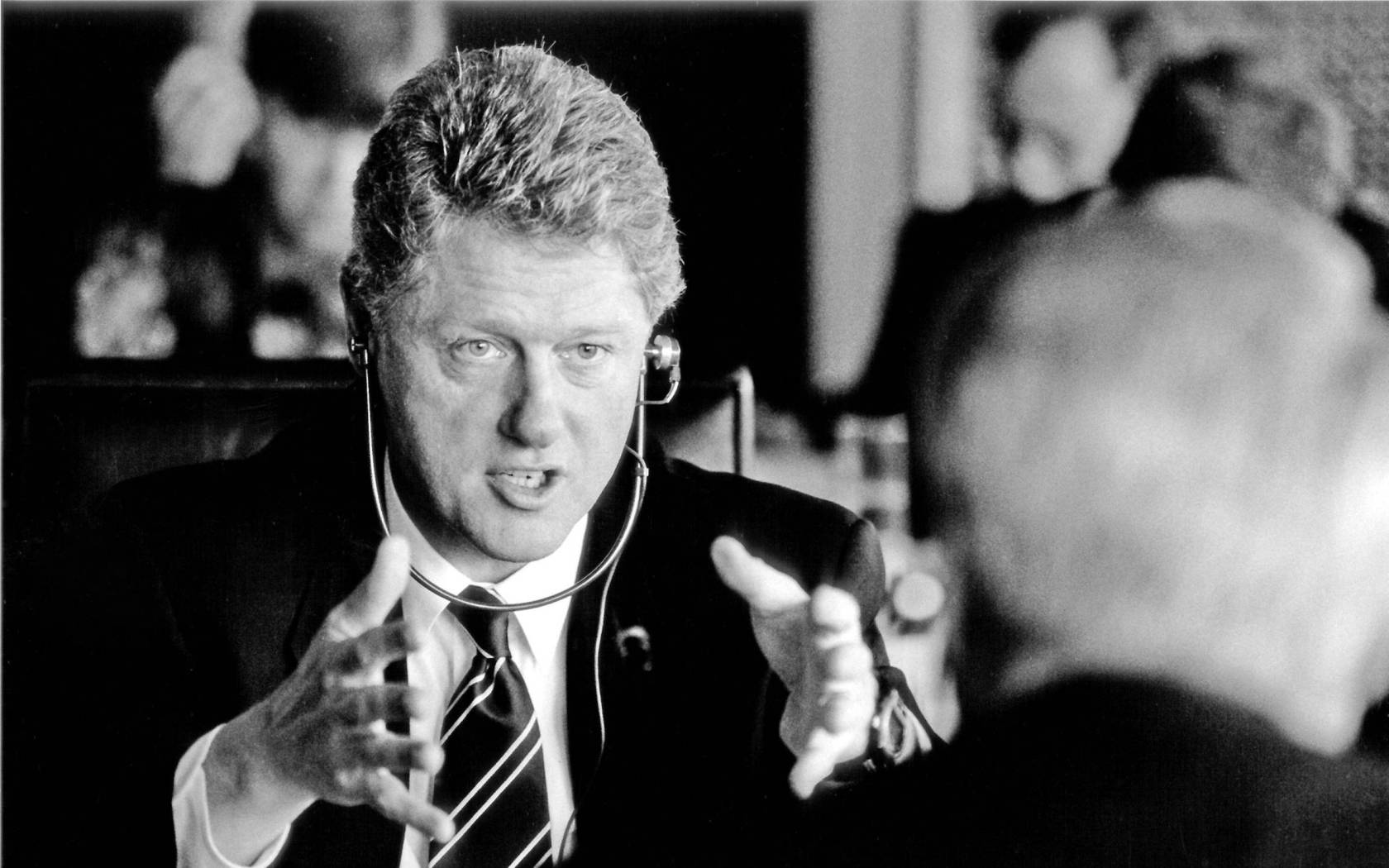
The ghosts of Cold War geopolitics often haunt modern international relations, none more so than in the enduring tensions between Russia and the West. While recent efforts to de-escalate conflicts, notably the Russia-Ukraine war, have met with limited success, history offers powerful lessons in diplomatic prowess. A prime example is President Bill Clinton's strategic triumph in the early 1990s, where a combination of shrewd diplomacy, economic leverage, and deep regional expertise compelled Russia to withdraw its troops from the newly independent Baltic States of Estonia, Latvia, and Lithuania. This achievement, often overshadowed by other historical events, stands as a testament to effective foreign policy and a blueprint for navigating complex power dynamics.
A Post-Soviet Power Vacuum and Baltic Aspirations
Following the collapse of the Soviet Union in 1991, the Baltic States, having endured decades of occupation, found themselves free but with a significant and unwelcome legacy: tens of thousands of Russian troops still stationed on their soil. For these nascent democracies, the continued presence of Russian forces represented a direct threat to their sovereignty and a psychological barrier to their full integration into the European community. Russia, for its part, viewed these troops as a strategic asset, a remnant of its former empire, and a bargaining chip in its relations with the West. The situation was fraught with potential for escalation, demanding a delicate touch from international mediators.
At the time, the newly independent Baltic nations were eager to shed all vestiges of Soviet control and align themselves with Western institutions like NATO and the European Union. However, the presence of Russian troops was a major impediment. The international community, particularly the United States, recognized the urgency of the situation. President Clinton, early in his first term, made the Baltic withdrawal a foreign policy priority, understanding that the stability of post-Cold War Europe hinged on resolving such lingering territorial disputes. His approach was multi-faceted, combining direct engagement with Moscow, multilateral pressure, and the promise of economic aid.
Clinton's Diplomatic Chess Game: Carrots and Sticks
Clinton's strategy was a masterclass in **
Stay Informed
Get the world's most important stories delivered to your inbox.
No spam, unsubscribe anytime.
Comments
No comments yet. Be the first to share your thoughts!