The Digital Deception: Fake DDR5 RAM Floods Market Amid Scarcity
A alarming trend has emerged in the tech world: counterfeit DDR5 RAM modules, featuring non-functional plastic chips, are infiltrating the market. This digital deception is a direct consequence of the persistent global chip shortage and soaring demand for high-performance memory. Consumers and businesses alike face significant risks, from financial loss to system instability, as these fraudulent products exploit supply chain vulnerabilities. PulseWorld investigates the origins, implications, and necessary precautions against this growing threat.
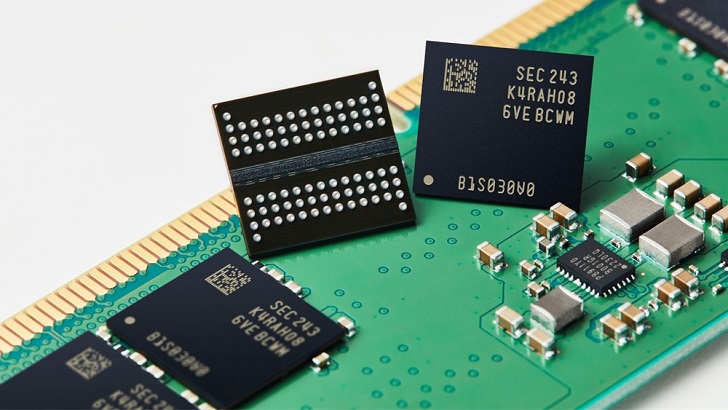
In the relentless pursuit of technological advancement, a dark undercurrent has surfaced, threatening to undermine the very foundations of trust in the digital marketplace. A recent investigation has unveiled a disturbing proliferation of counterfeit DDR5 RAM modules – the cutting-edge memory technology essential for modern computing – that are nothing more than elaborate fakes. These fraudulent sticks, instead of housing genuine, high-performance memory integrated circuits, are being fitted with inert plastic chips, designed solely to deceive. This digital deception is not merely an isolated incident; it’s a symptom of a larger, more insidious problem exacerbated by the ongoing global chip shortage and an insatiable demand for computing power.
The Anatomy of a Hoax: How Fake RAM Deceives
The discovery of these fraudulent DDR5 modules began with vigilant online testers and tech enthusiasts. Upon closer inspection, and often after experiencing inexplicable system failures or non-booting systems, these users deconstructed what they believed to be legitimate RAM sticks. What they found was alarming: instead of the intricate silicon dies typically found on memory modules, these counterfeits contained non-functional plastic chips or even repurposed, obsolete chips disguised with new markings. The heat spreaders, often a hallmark of premium DDR5 memory, were merely cosmetic, concealing a hollow core of deception.
This sophisticated scam goes beyond simple mislabeling. The modules are often meticulously crafted to mimic genuine products, complete with convincing branding, serial numbers, and packaging. The primary goal is to exploit the visual similarity of the module's exterior with authentic parts, making it incredibly difficult for an unsuspecting buyer to differentiate a real product from a fake without specialized testing or physical deconstruction. The modules might even be detected by the system's BIOS, but they will fail to function correctly, leading to system instability, crashes, or complete failure to boot. This level of sophistication indicates organized criminal activity, leveraging complex supply chains to distribute these fraudulent goods globally.
The Perfect Storm: Shortages, Demand, and Opportunity
The emergence of these fake DDR5 RAMs is not random; it's a direct consequence of a confluence of market forces. The global semiconductor shortage, initiated by factors ranging from increased demand during the pandemic to geopolitical tensions and supply chain disruptions, has severely constrained the availability of genuine components. This scarcity has driven up prices and created significant lead times for manufacturers and consumers alike. DDR5, being the newest and most sought-after memory standard, is particularly vulnerable.
* Unprecedented Demand: The rise of AI, cloud computing, high-performance gaming, and data centers has fueled an insatiable demand for faster, more efficient memory. DDR5 offers significant performance improvements over its predecessor, DDR4, making it a critical component for next-generation systems. * Supply Chain Vulnerabilities: The complex, globalized nature of electronics manufacturing provides numerous entry points for counterfeiters. From raw material sourcing to final assembly and distribution, every stage can be exploited. * Economic Incentives: With genuine DDR5 modules fetching premium prices and often being out of stock, the profit margins for selling cheap, non-functional fakes are astronomically high, making it an attractive venture for criminal enterprises.
This environment creates a 'perfect storm' for counterfeiters, allowing them to capitalize on desperation and lack of supply. The global market for counterfeit electronics is estimated to be in the tens of billions of dollars annually, and this latest development with DDR5 RAM underscores the pervasive nature of the problem.
The Ripple Effect: Risks for Consumers and Industry
The consequences of this digital deception are far-reaching, impacting both individual consumers and the broader technology industry.
For consumers, the risks are immediate and tangible:
* Financial Loss: Purchasing a fake module means paying full price for a worthless component. Recovery can be difficult, especially if bought from unofficial channels. * System Damage: While inert plastic chips are unlikely to cause electrical damage, faulty or poorly manufactured counterfeit components could potentially harm other system components due to incorrect voltage or power delivery. * Data Loss and Instability: A system relying on fake RAM will be unstable, prone to crashes, and may lead to corruption or loss of critical data. * Time and Effort: The troubleshooting process for a system with fake RAM can be frustrating and time-consuming, often leading to unnecessary component replacements before the true culprit is identified.
For the industry, the implications are more systemic:
* Brand Erosion: Counterfeit products, even if not manufactured by legitimate brands, can erode consumer trust in those brands if buyers mistakenly associate the fakes with them. * Supply Chain Integrity: The infiltration of fakes highlights deep vulnerabilities in the global supply chain, prompting legitimate manufacturers to invest more in anti-counterfeiting measures, which can increase costs. * Innovation Hindrance: Resources spent combating counterfeiting could otherwise be directed towards research and development, potentially slowing down technological progress. * Environmental Impact: The production and disposal of fake electronics contribute to electronic waste, often without adherence to environmental standards.
According to a 2022 report by the Semiconductor Industry Association (SIA), counterfeiting poses a significant threat to national security and economic competitiveness, particularly in critical infrastructure and defense sectors. While consumer-grade RAM might seem less critical, the underlying supply chain vulnerabilities are the same.
Safeguarding Your System: A Call to Vigilance
In this treacherous landscape, vigilance is paramount. Consumers and businesses must adopt proactive strategies to mitigate the risk of falling victim to these sophisticated scams.
* Buy from Authorized Retailers: This is the single most important step. Purchase RAM only from reputable, authorized dealers, manufacturers' official stores, or well-established e-commerce platforms with strong buyer protection policies. Avoid obscure online marketplaces or sellers offering deals that seem too good to be true. * Scrutinize Packaging and Branding: Pay close attention to the packaging quality, branding logos, and labels. Counterfeiters often make subtle errors in font, color, or placement. Check for misspellings or grammatical errors. * Verify Serial Numbers: If possible, cross-reference serial numbers with the manufacturer's official website or customer support. Some manufacturers offer online tools to verify product authenticity. * Inspect the Module Itself: Look for inconsistencies in the heat spreader, PCB quality, and the chips themselves. While difficult for the untrained eye, genuine chips usually have clear, precise markings, whereas fakes might have smudged or incorrect labels. If you can see bare plastic where silicon should be, it's a red flag. * Check Reviews and Seller Reputation: Before purchasing, thoroughly research the seller's reputation and read reviews. Look for any complaints about authenticity or product quality. * Be Wary of Unusually Low Prices: Genuine DDR5 RAM, especially during a shortage, commands a certain price point. Deep discounts that deviate significantly from market averages should raise immediate suspicion.
The fight against counterfeit electronics is an ongoing battle, requiring concerted efforts from manufacturers, law enforcement, and consumers. As technology advances, so too do the methods of deception. The digital world, while offering unprecedented opportunities, also harbors new threats. By understanding these risks and adopting a cautious approach, we can collectively work towards a more secure and trustworthy technological ecosystem. The integrity of our digital future depends on it.
Stay Informed
Get the world's most important stories delivered to your inbox.
No spam, unsubscribe anytime.
Comments
No comments yet. Be the first to share your thoughts!