The End of an Era: Microsoft Sunsets Outlook Lite, Reshaping Mobile Email Landscape
Microsoft is discontinuing its lightweight Outlook Lite email app on May 25, 2026, consolidating its mobile email strategy around the full Outlook application. This move, impacting a loyal user base built over four years, signals a shift towards a unified, feature-rich experience. Users face a decision: upgrade to the standard Outlook app or explore alternative email solutions, raising questions about accessibility and data usage in emerging markets.
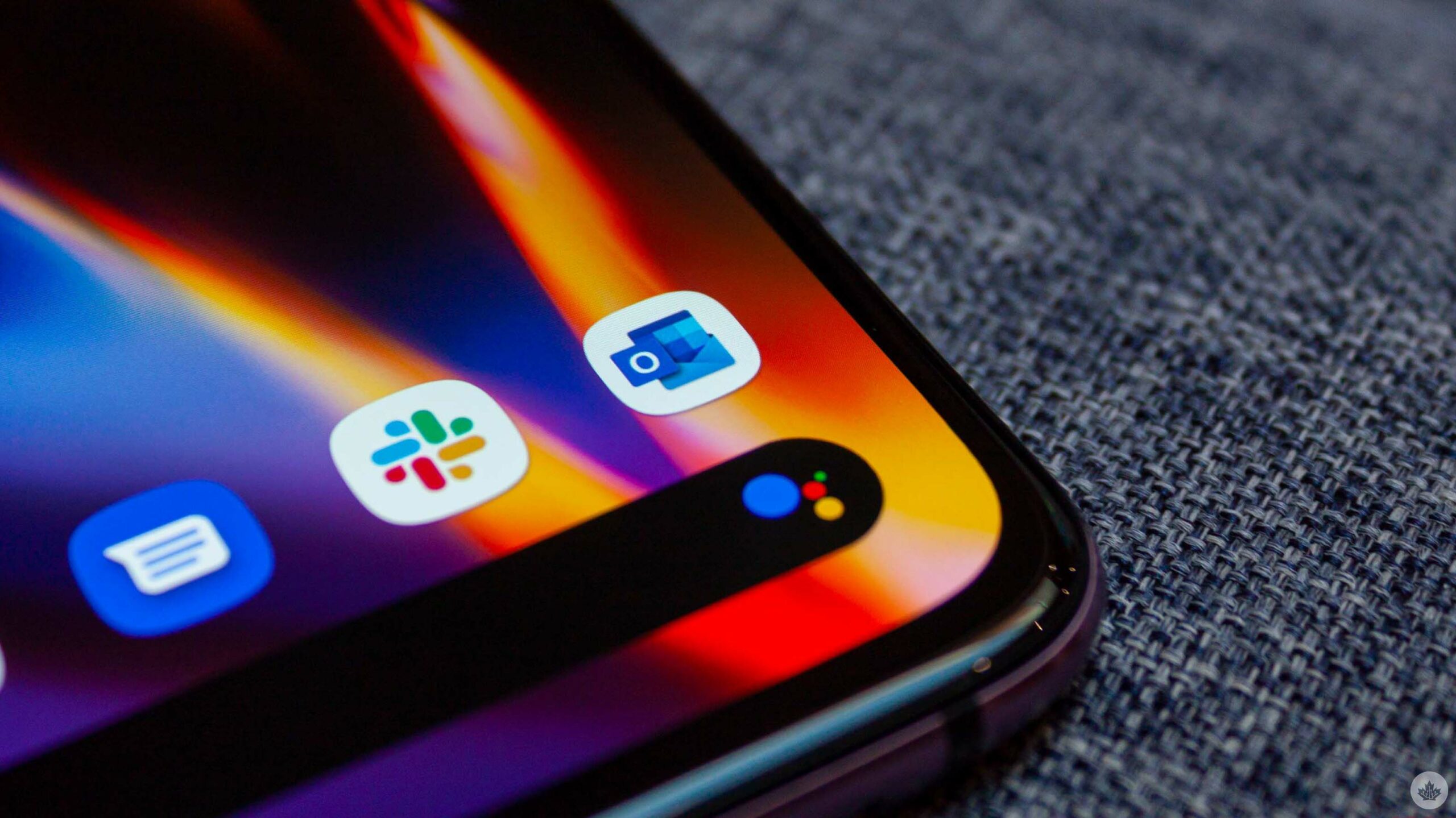
In the ever-evolving landscape of digital communication, even the most established giants make strategic pivots that reverberate across their user base. Such is the case with Microsoft's recent announcement to discontinue its Outlook Lite email application on May 25, 2026. This decision, while seemingly minor in the grand scheme of Microsoft's vast ecosystem, marks a significant shift in its mobile strategy, effectively consolidating its efforts around the full-fledged Outlook app. For the millions who relied on Outlook Lite for its efficiency and low resource consumption, this news presents a crossroads: adapt or seek alternatives.
Launched with the commendable goal of serving users in regions with limited internet connectivity, older devices, or constrained data plans, Outlook Lite carved out a niche for itself over four years. Its promise was simple yet powerful: a streamlined email experience without the heavy footprint of its full counterpart. Now, as the tech giant gears up to remove the app from the Google Play Store and cease its service, the focus unequivocally shifts to the standard Outlook application. This move underscores a broader trend within the industry, where companies often prioritize a unified, feature-rich experience over fragmented offerings, even if it means leaving a segment of their user base in a quandary.
The Genesis and Demise of a Niche App
Outlook Lite emerged as a strategic response to the burgeoning mobile market in developing economies. In many parts of Africa, Asia, and Latin America, smartphone penetration grew rapidly, but often with devices that had limited RAM, slower processors, and users who paid dearly for every megabyte of data. Microsoft, recognizing this gap, designed Outlook Lite to be data-efficient, storage-friendly, and performant on entry-level hardware. It was a testament to inclusive design, aiming to provide access to essential communication tools without demanding premium resources.
For four years, it served its purpose admirably, garnering a loyal following. Users appreciated its quick loading times, minimal battery drain, and reduced data consumption, which translated into tangible savings and a smoother user experience in challenging network conditions. However, the tech world is relentless in its pursuit of innovation and consolidation. While Microsoft hasn't explicitly detailed the rationale behind the shutdown beyond 'focusing on the full Outlook app,' industry analysts speculate several factors. One primary reason could be the increasing sophistication of entry-level smartphones and the expansion of affordable high-speed internet. As device capabilities improve and data costs decrease in many regions, the distinct need for a 'lite' version might have diminished in Microsoft's strategic calculations. Furthermore, maintaining two separate codebases for similar functionalities can be resource-intensive, making a unified approach more appealing from an engineering and development standpoint.
Implications for the Loyal User Base
For the existing users of Outlook Lite, the May 25, 2026, deadline looms large. The immediate implication is the need to transition. Microsoft's primary recommendation is to upgrade to the full Outlook app. This transition, however, is not without its challenges. While the full Outlook app offers a richer feature set, including calendar integration, file management, and advanced search capabilities, it also demands more device resources. Users with older smartphones or those operating on tight data budgets might find the full app to be a less-than-ideal replacement. The increased data consumption and potential for slower performance could negate the very reasons they chose Outlook Lite in the first place.
Moreover, the move could inadvertently push some users towards alternative email clients. Competitors like Gmail, Yahoo Mail, and various third-party apps offer their own 'lite' versions or are designed to be efficient. This could lead to a fragmentation of Microsoft's email user base, as those unwilling or unable to adopt the full Outlook app seek solutions elsewhere. The decision highlights the delicate balance tech companies must strike between streamlining their product offerings and catering to the diverse needs of a global audience. For many, Outlook Lite wasn't just an app; it was a gateway to professional and personal communication that respected their technological limitations.
The Broader Industry Trend: Consolidation vs. Fragmentation
Microsoft's decision to sunset Outlook Lite is not an isolated incident but rather indicative of a broader trend in the technology sector. Many companies, from social media giants to productivity suite providers, have grappled with the challenge of maintaining multiple versions of their applications. The allure of a unified user experience across all platforms – desktop, web, and mobile – is strong. It simplifies development, ensures feature parity, and often leads to a more cohesive brand identity. For instance, Google has also, at times, consolidated its 'Go' or 'Lite' apps into their main offerings as device capabilities improved.
However, this strategy carries risks. While it streamlines internal operations, it can alienate segments of the user base who genuinely benefit from the lighter versions. The debate often boils down to accessibility versus advanced functionality. Is it better to provide a basic, reliable service to everyone, or a comprehensive, feature-rich experience to those who can afford the necessary hardware and data? Microsoft's choice suggests a leaning towards the latter, betting on the continued global improvement of mobile infrastructure and device affordability. This approach assumes that the 'lite' segment will eventually converge with the 'full' segment, rendering the specialized app redundant. Only time will tell if this prediction holds true for all regions and demographics.
What's Next for Mobile Email Users?
As the May 2026 deadline approaches, Outlook Lite users have several paths forward. The most straightforward, as recommended by Microsoft, is to download and install the full Outlook app. Users should assess their device's specifications and their typical data usage to determine if this is a viable option. For those concerned about resource consumption, exploring the settings within the full Outlook app for data-saving features or simplified views might be beneficial. Many modern apps include options to limit background data, download attachments only on Wi-Fi, or reduce image quality, which can help mitigate some of the concerns associated with a heavier application.
Alternatively, users can explore other email clients available on the Google Play Store. Many third-party apps pride themselves on being lightweight and efficient, offering a viable alternative for those who find the full Outlook app too demanding. It's also an opportunity for users to re-evaluate their email habits and potentially consolidate accounts or switch providers if a more suitable ecosystem exists. Ultimately, this transition period serves as a reminder of the dynamic nature of digital services and the continuous need for users to adapt and make informed choices about their technological tools. Microsoft's decision, while closing one chapter, opens another for mobile email users worldwide, prompting a fresh look at how they manage their digital correspondence.
In conclusion, the sunsetting of Outlook Lite is more than just an app removal; it's a strategic declaration from Microsoft about its vision for mobile email. It prioritizes a unified, feature-rich experience, banking on the global advancement of technology to bridge the gap that Outlook Lite once filled. While it presents a challenge for its loyal users, it also encourages a re-evaluation of personal tech choices, pushing the boundaries of what mobile communication means in an increasingly connected world.
Stay Informed
Get the world's most important stories delivered to your inbox.
No spam, unsubscribe anytime.
Comments
No comments yet. Be the first to share your thoughts!