The Foldable Revolution: How Samsung and Apple Are Redefining the Smartphone Experience
Foldable smartphones, once a niche luxury, are finally poised for mainstream adoption. With Samsung's persistent innovation and Apple's anticipated entry, the market is shifting from novelty to necessity. This article explores how improved durability, enhanced software, and competitive pricing are making foldables a compelling choice for consumers, challenging traditional smartphone designs and ushering in a new era of mobile technology.
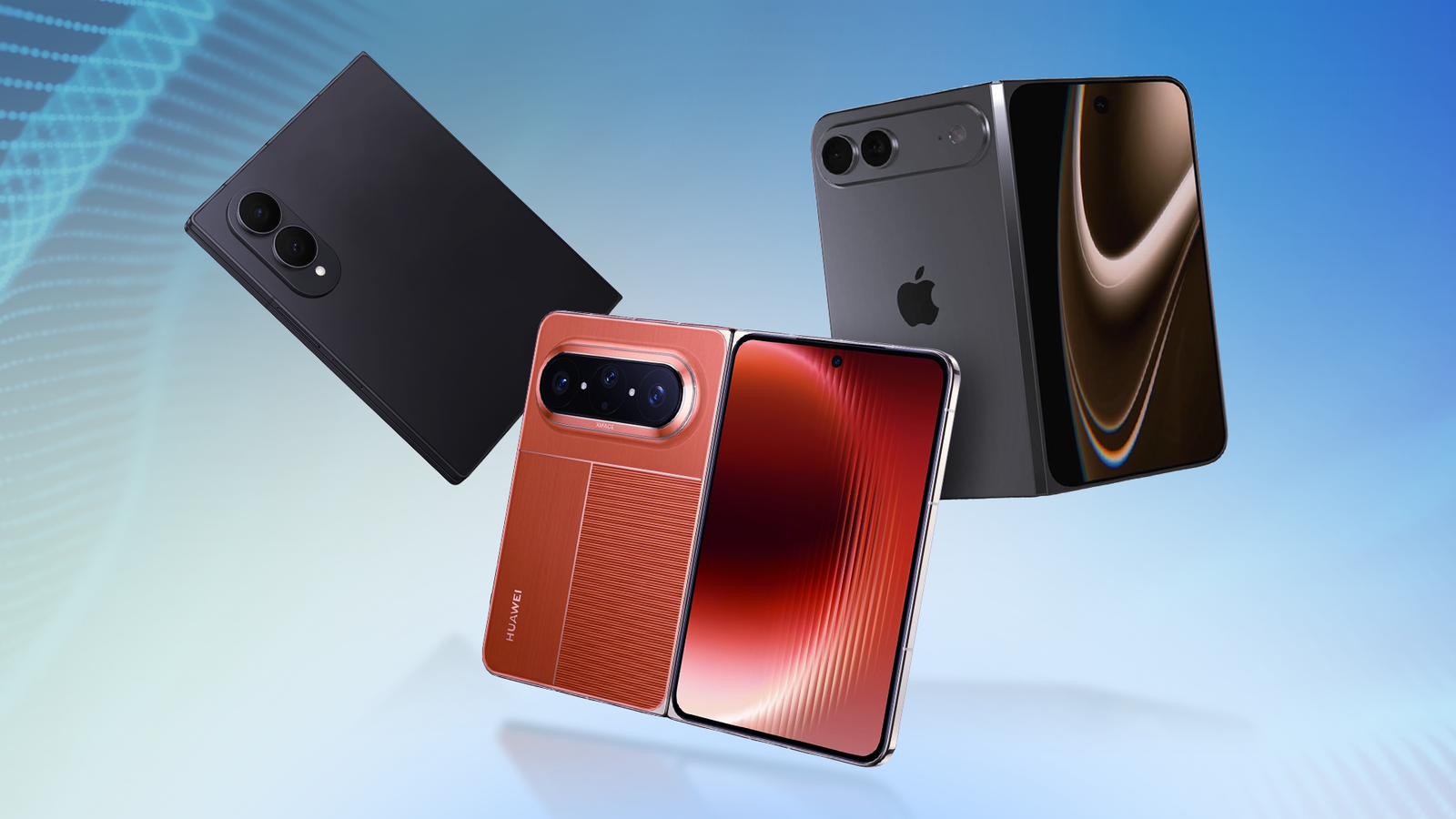
For years, the allure of foldable smartphones has been a tantalizing glimpse into the future, yet for many, myself included, their practical appeal remained elusive. While the spectacle of a device transforming from a pocketable slab to a tablet-like canvas was undeniably impressive, the hefty price tags and lingering doubts about durability often overshadowed their innovative spirit. Early iterations felt more like expensive prototypes than daily drivers, leaving a significant portion of the tech-savvy public admiring from a distance. However, a seismic shift is underway, driven by relentless innovation from pioneers like Samsung and the looming, transformative presence of Apple. The once-niche category of foldables is now maturing, shedding its experimental skin to reveal a genuinely compelling proposition that is beginning to resonate with a broader audience, signaling a potential revolution in how we interact with our most personal devices.
The Evolution of the Foldable Form Factor
The journey of foldable phones has been anything but smooth. From the initial excitement surrounding the first Samsung Galaxy Fold in 2019, which faced immediate setbacks due to screen durability issues, to the subsequent refinements, the path has been fraught with challenges. Early adopters grappled with visible creases, fragile displays, and software that often struggled to seamlessly transition between modes. These were not just minor inconveniences; they were fundamental barriers to widespread acceptance. The core value proposition – a larger screen in a compact form – was compelling, but the execution needed time to catch up with the ambition. Companies like Samsung, however, demonstrated remarkable persistence, pouring resources into research and development to address these critical flaws. Each successive generation brought incremental but significant improvements, from stronger hinge mechanisms to more resilient ultra-thin glass (UTG) displays. The Galaxy Z Fold 5 and Z Flip 5, for instance, represent the pinnacle of this iterative refinement, boasting flatter folds, enhanced water resistance, and more robust construction. This commitment to improvement has been crucial in building consumer confidence and laying the groundwork for the next phase of foldable adoption.
Beyond the Gimmick: Practicality and Productivity
The initial skepticism surrounding foldables often centered on whether they offered more than just a novelty factor. Were they truly better for anything, or just different? The answer, increasingly, is yes. For media consumption, the larger, uninterrupted display of a book-style foldable offers an immersive experience unmatched by traditional smartphones. Watching movies, browsing photo galleries, or reading e-books on a near-tablet-sized screen that folds neatly into a pocket is a game-changer. For productivity, the benefits are even more pronounced. Multi-window multitasking, once a cramped affair on standard phone screens, becomes genuinely usable on a foldable. Imagine having your email client open on one half of the screen and a document editor on the other, or a video conference running alongside your notes. This enhanced screen real estate facilitates a more efficient workflow, blurring the lines between smartphone and tablet. The Flex Mode feature, allowing the phone to be propped open at various angles, transforms the device into a self-standing mini-laptop or a hands-free video call station, further amplifying its utility. These aren't just minor enhancements; they are fundamental shifts in how we can use our mobile devices to work, learn, and be entertained.
The Apple Effect: A Catalyst for Mass Adoption
While Samsung has been the undisputed pioneer and dominant force in the foldable market, the landscape is poised for a dramatic transformation with the anticipated entry of Apple. The Cupertino giant's historical approach to new product categories has been to wait, observe, and then enter with a highly polished, user-centric, and often revolutionary offering that redefines the market. Just as the iPhone wasn't the first smartphone but became the smartphone, an "iPhone Fold" or "iPad Fold" could similarly legitimize and accelerate the mainstream adoption of foldables. Apple's meticulous attention to industrial design, software integration, and ecosystem synergy could address many of the remaining hesitations consumers have. Imagine a foldable device seamlessly integrated with iOS, offering unparalleled app optimization, robust durability, and a user experience that feels intuitive and natural from day one. An Apple foldable wouldn't just be another device; it would be a statement, a validation that the foldable form factor is not a fleeting trend but the next frontier in personal computing. Its entry would undoubtedly spur competitors to innovate even faster, driving down prices and increasing quality across the board, ultimately benefiting consumers.
Addressing the Elephant in the Room: Cost and Durability
Historically, the two most significant hurdles for foldable adoption have been their exorbitant price and perceived fragility. Early models often commanded prices upwards of $2,000, placing them firmly in the luxury segment. However, as manufacturing processes mature and economies of scale kick in, prices are slowly but steadily becoming more accessible. While still premium, the gap between high-end traditional flagships and entry-level foldables is narrowing. Furthermore, the advancements in materials science and engineering have dramatically improved durability. Modern foldables are now rated for hundreds of thousands of folds, can withstand splashes, and feature more robust screens. Companies are also offering enhanced warranty programs and repair services, alleviating some of the 'fragility anxiety.' The perception of foldables as delicate, easily damaged devices is slowly being replaced by an understanding that they are, in fact, remarkably resilient pieces of engineering. This combination of decreasing cost and increasing durability is critical for breaking through the early adopter ceiling and reaching the mass market.
The Future is Flexible: What Lies Ahead
The current trajectory suggests that foldables are not a fad, but a fundamental evolution of the smartphone. As technology continues to advance, we can anticipate even more innovative designs, perhaps tri-fold devices, rollable screens, or even completely transparent displays. The integration of AI will further enhance the user experience, making the transition between modes and applications even more seamless and intelligent. The competition, fueled by Samsung's pioneering spirit and Apple's eventual entry, will drive down costs and push the boundaries of what's possible. We are at the cusp of a new era where our devices will no longer be confined to rigid, rectangular slabs but will adapt and transform to suit our needs, offering unprecedented flexibility and functionality. The question is no longer if foldables will go mainstream, but when, and it seems that 'when' is rapidly approaching, promising a future where our phones are as adaptable as our lives.
Stay Informed
Get the world's most important stories delivered to your inbox.
No spam, unsubscribe anytime.
Comments
No comments yet. Be the first to share your thoughts!