The 'Podslop' Epidemic: How AI is Reshaping the Podcast Landscape and Eroding Trust
A recent report by Bloomberg, citing Podcast Index data, reveals that nearly 40% of new podcasts are now likely AI-generated, signaling a significant shift in the audio content industry. This surge in 'podslop' raises critical questions about content authenticity, creator compensation, and the future of human-led storytelling. As AI's role in media expands, listeners face the challenge of discerning genuine voices from synthetic narratives, prompting calls for transparency and new verification standards.
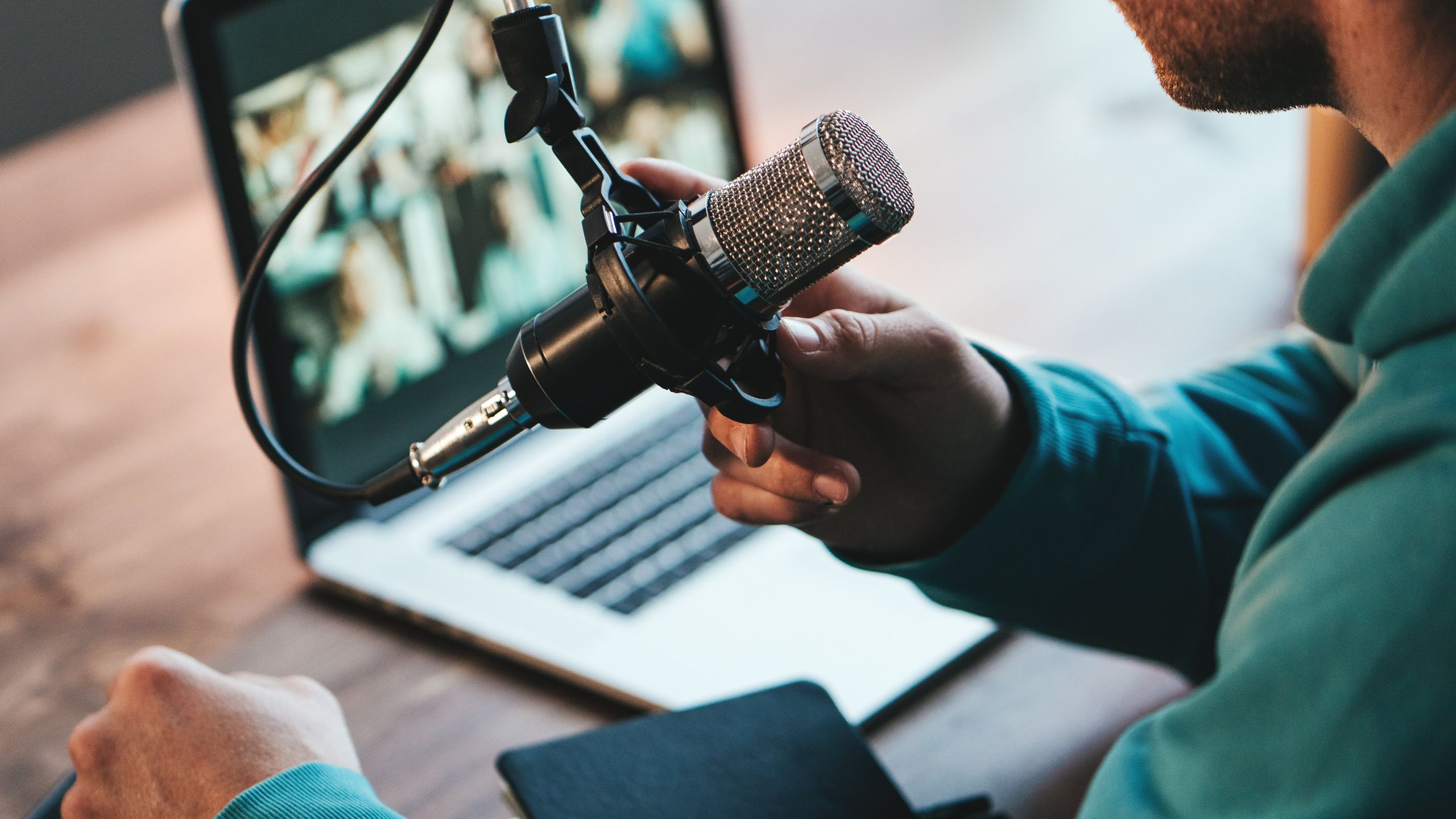
The digital sound waves are humming with a new, unsettling frequency. What was once the intimate, often raw, domain of human voices and stories is increasingly being infiltrated by algorithms. A recent Bloomberg report, drawing on data from the Podcast Index, has sent ripples through the audio community: an astonishing 39% of new podcasts are now deemed "likely" generated by artificial intelligence. This phenomenon, colloquially dubbed 'podslop,' isn't just a niche concern; it represents a seismic shift in content creation, posing profound questions about authenticity, value, and the very nature of human connection in the digital age.
For years, podcasts have thrived on their perceived authenticity and the direct, unmediated connection between host and listener. From investigative journalism to deeply personal narratives, the medium has offered a refreshing alternative to mainstream media. However, the rapid advancement of generative AI, capable of synthesizing voices, scripting content, and even producing entire episodes with minimal human oversight, threatens to dilute this unique value proposition. The implications are far-reaching, impacting creators, platforms, and, most importantly, the discerning listener.
The Rise of 'Podslop' and Its Economic Underpinnings
The term 'podslop' vividly captures the essence of this AI-driven content deluge: a mass of low-quality, often repetitive, and algorithmically optimized audio designed to fill feeds rather than genuinely engage. The motivation behind this surge is primarily economic. Creating a high-quality, human-produced podcast requires significant investment in time, talent, and resources – from research and scripting to recording, editing, and promotion. AI, by contrast, offers a tantalizing shortcut.
Startups and individual entrepreneurs are leveraging AI tools to churn out content at an unprecedented scale and speed, often at a fraction of the cost. These AI-generated podcasts might cover trending topics, summarize news articles, or even attempt to mimic popular formats. The goal is often to capture a slice of the advertising revenue pie, even if the individual listener engagement per episode is low. By producing hundreds or thousands of episodes, the hope is that a small percentage will gain traction, generating ad impressions and, subsequently, income. This volume-over-quality approach risks saturating the market with undifferentiated content, making it harder for genuine human creators to stand out and find their audience.
Moreover, the ease of production means that barriers to entry have virtually disappeared. While this democratizes content creation in theory, in practice, it can lead to a race to the bottom, where the sheer quantity of AI-generated noise drowns out thoughtful, human-crafted narratives. The Podcast Index's data serves as a stark warning: the era of abundant, cheap, and potentially indistinguishable audio content is not a distant future, but a present reality.
Eroding Trust and the Search for Authenticity
One of the most significant casualties of the 'podslop' phenomenon is trust. Listeners tune into podcasts expecting a human voice, a distinct perspective, and a genuine connection. When they encounter content that is subtly or overtly AI-generated, it can feel like a betrayal. The uncanny valley effect, where something is almost human but not quite, can be particularly jarring in an audio format, leading to a sense of unease or even deception.
This erosion of trust extends beyond individual episodes. If a significant portion of the podcast ecosystem becomes populated by AI voices, listeners may grow wary of the entire medium. The unique intimacy that podcasts have cultivated could be undermined, transforming a personal listening experience into a skeptical interrogation of authenticity. As one commentator noted, the need for a 'hosted by humans' badge or similar verification becomes increasingly apparent. This isn't just about distinguishing AI from human; it's about preserving the integrity of the medium and safeguarding the emotional contract between creator and audience.
The challenge for platforms and listeners alike will be to develop mechanisms for discerning genuine content. This could involve: * Transparent labeling: Requiring creators to disclose if AI was used in content generation. * Platform-led verification: Implementing systems to identify and potentially flag AI-generated content. * Community-driven vetting: Empowering listeners to report or review content suspected of being AI-generated.
Without such measures, the risk is that the signal-to-noise ratio in podcasting will plummet, making it increasingly difficult for listeners to find valuable, human-centric audio.
The Broader Implications for Creative Industries
The 'podslop' problem is not an isolated incident; it's a microcosm of a larger trend impacting creative industries globally. From AI-generated art and music to synthetic news articles and deepfake videos, the boundaries between human and machine creativity are blurring at an alarming rate. The podcast industry, with its relatively low production costs and high demand for fresh content, has proven particularly susceptible.
This trend raises critical questions about intellectual property, creator compensation, and the very definition of authorship. If AI can generate content indistinguishable from human work, how will human artists be valued and compensated? What legal frameworks are needed to protect original human creations from being overshadowed or even plagiarized by algorithms trained on their work? These are complex ethical and legal dilemmas that society is only just beginning to grapple with.
Furthermore, the proliferation of AI-generated content could lead to a cultural homogenization, where algorithms, trained on existing data, tend to reproduce and amplify prevailing trends rather than fostering genuine innovation or challenging established norms. The unique, idiosyncratic voices that often push cultural boundaries might find themselves marginalized in a sea of algorithmically optimized mediocrity.
Navigating the Future: A Call for Human-Centric Design
The future of podcasting, and indeed much of digital media, hinges on how we choose to integrate AI. The technology itself is not inherently good or bad; its impact depends entirely on how it is deployed and governed. A path forward must prioritize human-centric design and ethical considerations.
Platforms have a responsibility to implement clear guidelines and tools that promote transparency. This might include developing sophisticated AI detection systems, similar to those used for plagiarism, or creating clear disclosure requirements for creators. For listeners, cultivating media literacy skills – the ability to critically evaluate content and discern its origins – will become more crucial than ever.
Ultimately, the enduring appeal of podcasts lies in their capacity to connect, inform, and entertain through the power of the human voice and narrative. While AI can undoubtedly assist in production, transcription, and even content ideation, its role should be to augment human creativity, not replace it. The challenge for the podcast industry is to harness the power of AI responsibly, ensuring that the medium remains a vibrant space for authentic human expression. The conversation around 'podslop' is not just about podcasts; it's a vital discussion about the future of creativity, authenticity, and trust in an increasingly automated world. The call for a 'hosted by humans' badge is more than a marketing slogan; it's a plea for the preservation of genuine connection in the digital soundscape.
Stay Informed
Get the world's most important stories delivered to your inbox.
No spam, unsubscribe anytime.
Comments
No comments yet. Be the first to share your thoughts!