The Powell-Warsh Transition: Six Words That Reshaped Wall Street and Crypto's Future
Jerome Powell's departure from the Federal Reserve marked the end of an era, but not before six impactful words about stock valuations sent ripples through financial markets. With Kevin Warsh now at the helm, the crypto world and traditional finance brace for a new chapter. This transition signals potential shifts in monetary policy and regulatory approaches, especially concerning digital assets, promising years of debate and adaptation.
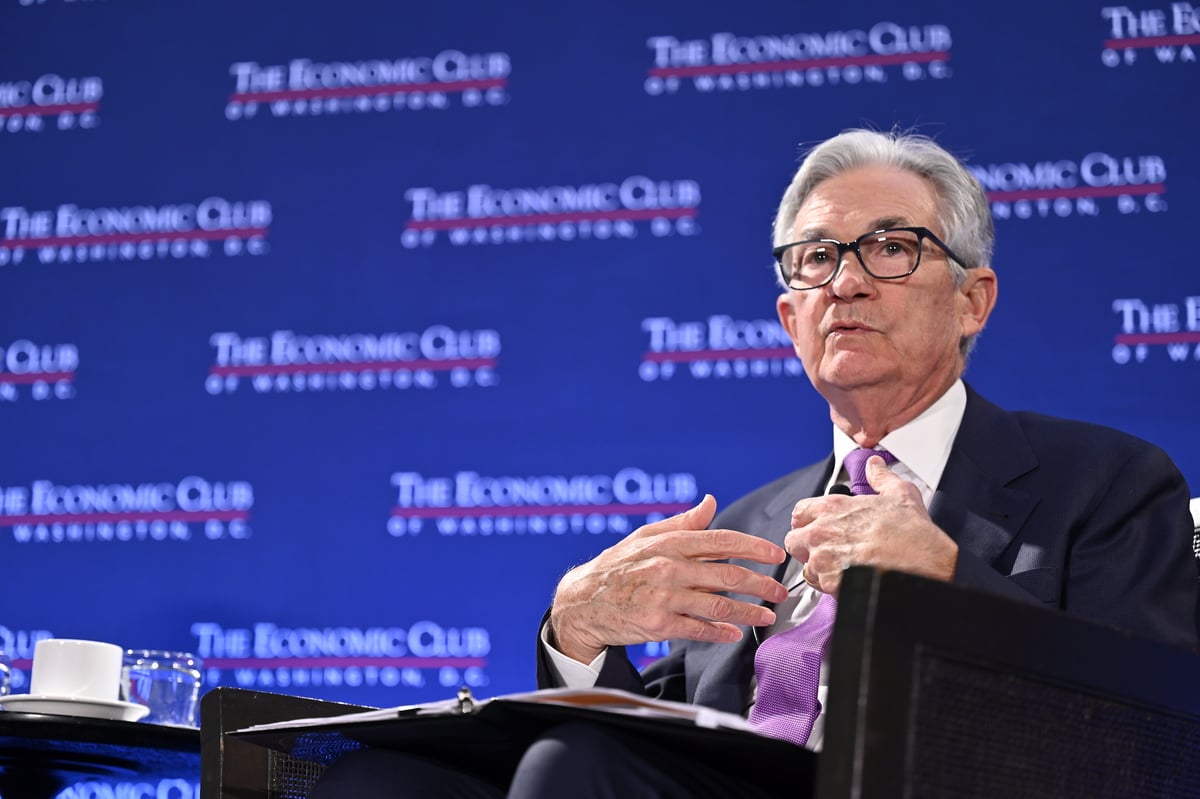
The air in financial circles is thick with anticipation and reflection. Yesterday, May 15, marked a pivotal moment in economic history: the conclusion of Jerome Powell's two-term tenure as Federal Reserve Chair and the dawn of a new era under Kevin Warsh. While leadership transitions at the world's most influential central bank are always significant, this particular changing of the guard is amplified by a rare and potent statement from the now-former Fed chair – six words that, according to market observers, will echo through Wall Street for years to come.
Powell, known for his measured and often cautious public remarks, made an uncharacteristic foray into the realm of stock valuations. Such direct commentary from a sitting Fed chair on market levels is exceedingly rare, typically reserved for moments of extreme exuberance or distress. When it happens, it's a signal that cannot be ignored. While the specific six words are not detailed in the source, their impact is clear: they served as a stark reminder of underlying market realities and potentially a precursor to future policy considerations. For the burgeoning world of cryptocurrencies, which often reacts with heightened sensitivity to traditional market signals and regulatory whispers, this transition and Powell's final pronouncement carry profound implications.
The Powell Legacy: A Balancing Act Amidst Unprecedented Challenges
Jerome Powell's time at the Fed was defined by an extraordinary period of economic volatility. He navigated the COVID-19 pandemic's economic fallout, orchestrating unprecedented monetary easing to stave off a depression. His tenure saw interest rates slashed to near zero, massive quantitative easing programs, and a concerted effort to support employment and stabilize financial markets. Later, he pivoted sharply to combat surging inflation, initiating a rapid series of interest rate hikes that tested the resilience of the global economy. Throughout these tumultuous years, Powell maintained a delicate balance, often facing criticism from both sides of the political spectrum.
His approach to digital assets was generally cautious, emphasizing the need for regulatory clarity and consumer protection without stifling innovation. While the Fed under Powell explored the concept of a Central Bank Digital Currency (CBDC), it did so with a measured pace, highlighting potential risks alongside benefits. His final words on stock valuations, delivered in the context of an economy still digesting aggressive rate hikes and geopolitical uncertainties, underscore a deep-seated concern about asset bubbles and the potential for financial instability, a concern that directly impacts the often-speculative crypto market.
Kevin Warsh: A New Chapter for the Federal Reserve and Crypto
The appointment of Kevin Warsh as the new Fed Chair ushers in a new chapter, and market participants, particularly those in the crypto space, are keenly watching for shifts in policy and rhetoric. Warsh, a former Fed Governor, brings a different perspective and background. Known for his hawkish leanings and emphasis on monetary discipline, his appointment could signal a more conservative approach to monetary policy, potentially prioritizing inflation control over aggressive growth stimulation.
His views on financial innovation and digital currencies will be scrutinized. While specific detailed stances on crypto from Warsh might not be widely known, his general philosophy suggests a pragmatic, perhaps even skeptical, approach to novel financial instruments that lack robust regulatory frameworks. This could translate into:
* Increased scrutiny on stablecoins: Warsh may advocate for stricter oversight and collateral requirements for stablecoins, viewing them as potential sources of systemic risk if not properly regulated. * Slower CBDC development: The pace of a U.S. CBDC might slow further, with Warsh likely prioritizing a thorough assessment of risks and benefits over rapid implementation. * Emphasis on existing financial regulations: He might push for applying existing financial regulations to crypto assets where feasible, rather than creating entirely new frameworks, which could bring clarity but also significant compliance burdens.
The Interplay of Traditional Finance and Digital Assets
The six words from Powell, whatever their exact phrasing, served as a potent reminder that the health of traditional financial markets remains paramount for central bankers. When the Fed chair comments on valuations, it's often a subtle warning about irrational exuberance or a perceived disconnect between asset prices and economic fundamentals. For the crypto market, which has often moved independently but is increasingly correlated with broader financial trends, such warnings are critical.
Historically, periods of tightening monetary policy and heightened risk aversion in traditional markets tend to exert downward pressure on riskier assets, including cryptocurrencies. If Warsh indeed pursues a more hawkish stance, the crypto market could face continued headwinds. However, this also presents an opportunity for the crypto ecosystem to demonstrate its resilience and utility beyond speculative trading.
Key considerations for crypto in the Warsh era:
* Regulatory clarity: The industry's long-standing call for clear regulations might finally gain traction, albeit potentially with a more conservative bent. * Institutional adoption: Continued institutional interest will depend heavily on the regulatory environment and macroeconomic stability. * Innovation vs. Regulation: The balance between fostering technological innovation and ensuring financial stability will be a central theme.
Forward Outlook: Navigating the New Economic Landscape
The transition from Powell to Warsh is more than just a change of personnel; it represents a potential shift in the philosophical underpinnings of U.S. monetary policy. The reverberations of Powell's final, rare interjection on stock valuations will undoubtedly inform future discussions on market stability, asset bubbles, and the role of central banks in managing investor expectations. For the crypto industry, this means an increased need for robust compliance frameworks, a focus on real-world utility, and a proactive approach to engaging with regulators.
As Kevin Warsh settles into his role, the financial world will be watching closely. His decisions will shape not only the immediate future of the U.S. economy but also the trajectory of global finance and the evolving landscape of digital assets. The coming years promise to be a period of significant adaptation and strategic repositioning for all market participants, with the ghost of Powell's six words serving as a constant, albeit subtle, reminder of the delicate balance required in an ever-interconnected financial world.
Stay Informed
Get the world's most important stories delivered to your inbox.
No spam, unsubscribe anytime.
Comments
No comments yet. Be the first to share your thoughts!