The Silent Revolution: How Voice AI is Reshaping the Modern Office
The modern workplace is on the cusp of a profound transformation, driven by the increasing integration of voice artificial intelligence. As dictation apps evolve beyond simple transcription to include 'vibe coding' and emotional intelligence, offices are becoming quieter, more efficient, and potentially more empathetic. This shift promises to redefine productivity, collaboration, and the very nature of human-computer interaction, raising questions about privacy and the future of work.
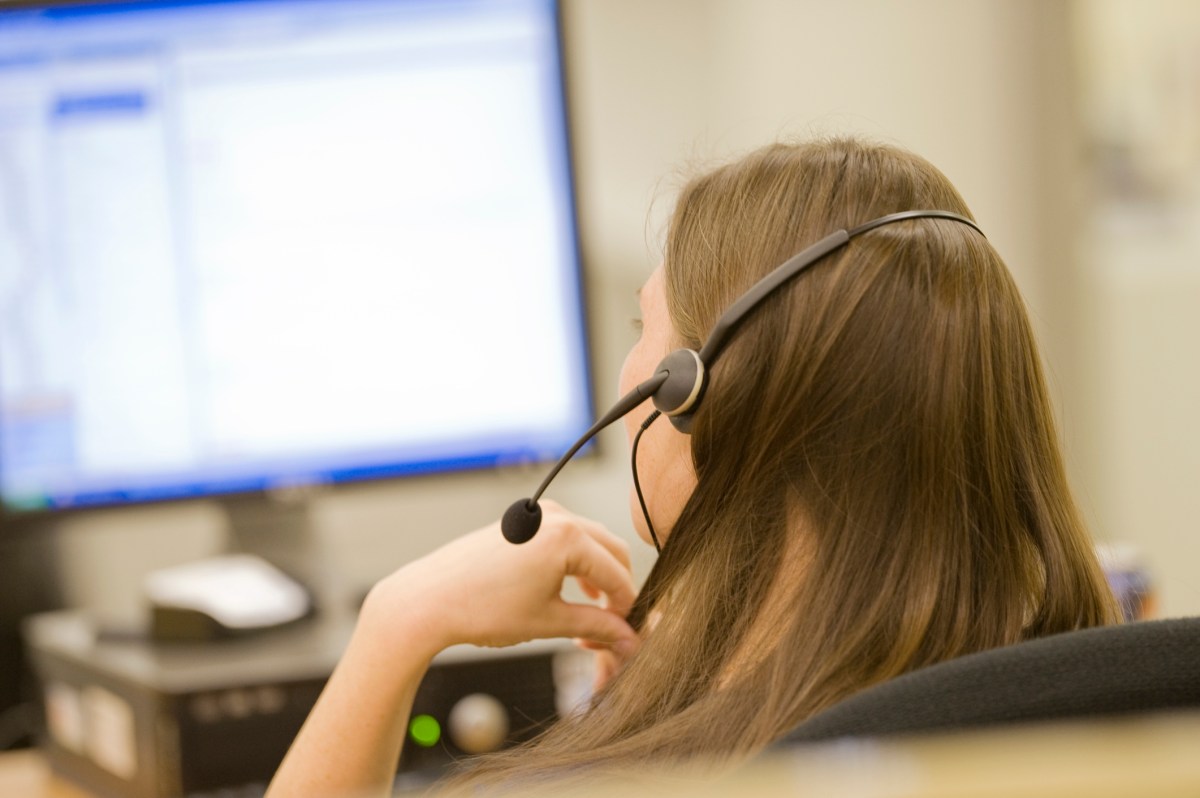
The hum of keyboards, the murmur of conversations, the occasional clatter of a coffee cup – these are the familiar sounds of the contemporary office. But imagine a future where these sounds are replaced by a pervasive, almost imperceptible whisper: the soft cadence of human voices dictating commands, drafting emails, and crafting reports directly to their computers. This isn't a scene from a dystopian sci-fi novel; it's the rapidly approaching reality of the modern workplace, poised for a silent revolution driven by advanced voice artificial intelligence.
A recent feature in the Wall Street Journal highlighted the accelerating adoption of dictation applications, such as the fictional 'Wispr,' and their burgeoning capabilities. What was once a niche tool for accessibility or quick notes is now evolving into a sophisticated interface, seamlessly integrated with 'vibe coding' and emotional intelligence. This technological leap means our computers aren't just transcribing our words; they're beginning to understand the nuance behind them. As employees spend more and more time conversing with their digital assistants, the very architecture and social dynamics of our work environments are set to undergo a dramatic overhaul.
From Typewriters to Talk: A Brief History of Office Interaction
The evolution of office communication has always mirrored technological progress. From the clacking of typewriters dominating the early 20th century, to the pervasive click of computer keyboards in the late 20th and early 21st centuries, our primary mode of interaction with work tools has been tactile. The advent of the internet and email brought a new layer of digital communication, but the physical act of typing remained central. Voice technology, while present in various forms for decades (think early dictaphones or even voice-activated phone menus), has historically been clunky, inaccurate, and largely confined to specific, limited applications. Its mainstream adoption in the office was hampered by high error rates, lack of contextual understanding, and the sheer awkwardness of speaking to a machine in a shared space.
However, the last decade has witnessed a paradigm shift. Advances in machine learning, natural language processing (NLP), and neural networks have dramatically improved the accuracy and contextual understanding of voice AI. Companies like Google, Amazon, Apple, and Microsoft have poured billions into refining their voice assistants, initially for consumer use, but increasingly with an eye on enterprise applications. This investment has led to a tipping point where voice recognition is no longer a novelty but a genuinely viable, and often superior, alternative to traditional input methods for many tasks. The COVID-19 pandemic, which accelerated the shift to remote work and highlighted the need for efficient, hands-free interaction, further fueled this trend, pushing voice AI from the periphery to the forefront of workplace innovation.
The Quiet Office: Productivity and Privacy in the Age of Voice
One of the most immediate and noticeable changes will be the acoustic landscape of the office. As more tasks shift from typing to dictation, the traditional cacophony of a busy workspace could give way to a quieter, more focused environment. This 'whisper-filled office' promises several benefits: increased productivity for tasks requiring extensive writing, reduced strain on hands and wrists (a significant ergonomic concern), and potentially a more inclusive environment for individuals with certain disabilities. Imagine composing lengthy reports, coding complex algorithms, or drafting detailed legal documents simply by speaking, allowing the flow of thought to remain unbroken by the physical act of typing.
Yet, this transformation is not without its complexities. The proliferation of voice interaction raises significant privacy concerns. If our conversations with computers are being recorded, processed, and potentially stored, what are the implications for sensitive company data, intellectual property, and personal information? Companies deploying these technologies will face immense pressure to implement robust encryption, clear data retention policies, and transparent usage agreements. Furthermore, the constant presence of active microphones could lead to a chilling effect, where employees become hesitant to discuss personal matters or express candid opinions, fearing inadvertent capture by their digital assistants. Balancing the undeniable efficiency gains with the imperative of safeguarding privacy will be a critical challenge for IT departments and HR policies alike.
Vibe Coding and Emotional Intelligence: The Next Frontier
The true innovation, as hinted by the Wall Street Journal, lies in the integration of 'vibe coding' and emotional intelligence into dictation apps. This goes beyond mere transcription; it involves the AI analyzing the tone, pace, inflection, and even subtle emotional cues in a speaker's voice. For instance, a sales pitch dictated with confidence and enthusiasm might be automatically flagged as high-priority, while a customer service query delivered with frustration could trigger an immediate escalation to a human agent. In coding, a developer expressing exasperation might prompt the AI to suggest debugging tools or alternative approaches.
This capability has profound implications for various sectors:
* Customer Service: AI can prioritize and route calls based on customer sentiment, improving response times and satisfaction. * Sales and Marketing: Tools could analyze pitch delivery, offering real-time feedback on persuasiveness and engagement. * Human Resources: Early detection of employee stress or dissatisfaction through voice analysis could enable proactive intervention. * Collaboration: AI could summarize meeting discussions, highlighting points of consensus or disagreement based on participants' vocal cues.
However, the ethical considerations here are even more pronounced. The ability for machines to 'read' human emotions, even imperfectly, raises questions about algorithmic bias, the potential for misinterpretation, and the erosion of emotional privacy. Who owns this emotional data? How will it be used? Could it lead to a form of digital emotional surveillance, where our feelings are constantly monitored and potentially judged by algorithms? Companies must navigate these waters with extreme caution, prioritizing ethical AI development and ensuring that these powerful tools augment, rather than diminish, human agency and dignity.
Redefining Collaboration and the Future of Work
The whisper-filled office will inevitably redefine how we collaborate. Traditional brainstorming sessions might evolve to include AI-driven voice analysis, identifying key ideas and sentiment trends. Meetings could become more efficient, with AI transcribing, summarizing, and even identifying action items in real-time. For remote teams, voice AI could bridge communication gaps, translating languages instantly and ensuring all participants feel heard and understood, regardless of their native tongue or technical setup.
This shift also presents an opportunity to rethink office design. With less need for dedicated typing stations, workspaces could become more flexible, perhaps featuring more soundproofed pods for dictation, or communal areas optimized for quiet, focused voice interaction. The emphasis might shift from individual cubicles to dynamic, adaptable spaces that support both intense individual work and seamless, AI-augmented collaboration.
Ultimately, the rise of voice AI in the workplace is not just about efficiency; it's about a fundamental re-evaluation of our relationship with technology. As our computers become more attuned to our voices and even our emotions, they transition from mere tools to sophisticated partners. The challenge for businesses, technologists, and employees alike will be to harness this power responsibly, ensuring that the silent revolution leads to a more productive, inclusive, and human-centric future of work, rather than a sterile, surveilled one. The future is not just spoken; it's listened to, analyzed, and understood, demanding a new level of conscious design and ethical implementation.
Stay Informed
Get the world's most important stories delivered to your inbox.
No spam, unsubscribe anytime.
Comments
No comments yet. Be the first to share your thoughts!