Tragedy at the Tracks: The Silent Peril of Level Crossings for Vulnerable Pedestrians
The tragic death of 82-year-old Shirley Pope at a level crossing in Wiltshire, despite a train's horn, highlights the critical dangers faced by pedestrians with sensory impairments. This incident underscores the urgent need for enhanced safety measures, technological advancements, and public awareness campaigns to prevent similar fatalities. PulseWorld investigates the systemic challenges and potential solutions to protect vulnerable individuals from railway accidents.
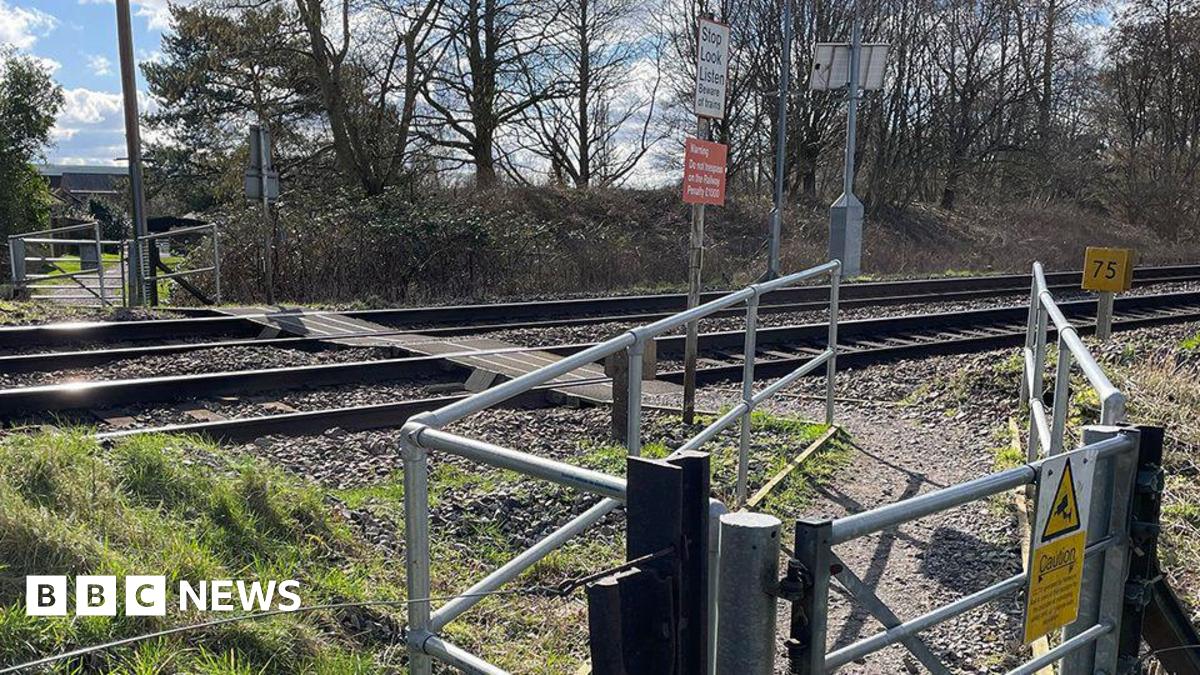
In a world increasingly reliant on rapid transit and complex infrastructure, the seemingly simple act of crossing a railway line can turn into a fatal encounter, especially for the most vulnerable among us. The recent tragedy involving 82-year-old Shirley Pope at the Pewsey footpath crossing in Wiltshire serves as a stark, heart-wrenching reminder of this perilous reality. Despite the train driver sounding the horn, Ms. Pope, who suffered from significant hearing loss, was struck and killed, her dog also perishing in the devastating incident. This event, far from being an isolated anomaly, casts a harsh spotlight on the systemic challenges and critical safety gaps that continue to endanger pedestrians, particularly those with sensory impairments or reduced mobility, at level crossings worldwide.
The Unheard Warning: A Deeper Look at Sensory Impairment Risks
The British Transport Police (BTP) report, detailing the incident, paints a grim picture of a situation where traditional safety warnings proved tragically ineffective. Shirley Pope’s hearing loss meant the audible warning, a train horn designed to alert, failed to serve its purpose. This specific vulnerability is not unique to Ms. Pope. Millions of people globally live with varying degrees of hearing impairment, and many more experience age-related sensory decline. For these individuals, a blaring horn, flashing lights, or even verbal warnings can be insufficient or entirely imperceptible. The reliance on purely auditory or visual cues at level crossings assumes a baseline level of sensory perception that is simply not universal. This incident compels us to question the efficacy of current safety protocols and to consider how infrastructure design and warning systems can be adapted to be truly inclusive and effective for all members of society.
Historically, level crossings have been points of significant risk. While advancements in technology have led to the implementation of barriers, flashing lights, and audible alarms, their design often overlooks the diverse needs of the population. The assumption that all users will see and hear these warnings equally is a fundamental flaw that needs urgent re-evaluation. The death of Ms. Pope underscores a critical need for a paradigm shift in how railway safety is conceived and implemented, moving beyond a one-size-fits-all approach to one that is adaptable and responsive to individual vulnerabilities.
Global Perspectives: A Persistent Problem
Level crossing accidents are a global issue, claiming thousands of lives each year. According to the European Union Agency for Railways (ERA), there were 1,514 significant accidents at level crossings in the EU in 2021, resulting in 266 fatalities. While these numbers represent a decrease over previous decades due to concerted safety efforts, the persistence of such incidents highlights that the problem is far from solved. In the United States, the Federal Railroad Administration (FRA) reports hundreds of fatalities annually at highway-rail grade crossings. A significant portion of these accidents involves pedestrians, and a disproportionate number occur in areas with less sophisticated warning systems or where users may be distracted or impaired.
Japan, with its highly advanced railway network, has also grappled with level crossing safety, implementing sophisticated sensor systems and public awareness campaigns. However, even in technologically advanced nations, human factors remain a critical variable. The World Health Organization (WHO) has consistently highlighted the increasing global population of older adults, many of whom will experience age-related sensory and cognitive decline. This demographic shift necessitates a proactive approach to public safety infrastructure, ensuring that it remains accessible and safe for an aging populace. The Pewsey incident serves as a microcosm of a larger global challenge, demanding international collaboration and knowledge sharing to develop more robust solutions.
Beyond the Horn: Innovative Solutions and Future Directions
Preventing future tragedies like Shirley Pope's requires a multi-faceted approach that extends beyond merely sounding a horn. Innovation in railway safety is paramount. One promising area is the development of smart crossings equipped with advanced sensor technology. These systems could detect the presence of pedestrians, particularly those moving slowly or appearing disoriented, and trigger more intensive, multi-modal warnings. For instance, tactile paving with integrated vibratory alerts could provide a physical warning for individuals with hearing or visual impairments. Furthermore, localized, directional sound systems that guide pedestrians away from danger, rather than just broadcasting a general warning, could be explored.
Enhanced visual cues are also crucial. Brighter, larger, and more strategically placed flashing lights, potentially integrated with projection systems that display warnings directly onto the ground, could improve visibility. For individuals with low vision, high-contrast markings and clear, unobstructed sightlines are essential. Additionally, the development of wearable technology that connects to railway safety systems could offer personalized alerts directly to vulnerable individuals, perhaps through vibrations or haptic feedback.
Beyond technology, infrastructure redesign plays a vital role. Grade separation – replacing level crossings with bridges or underpasses – is the ultimate solution for eliminating crossing risks entirely, though it is often cost-prohibitive for every location. Where grade separation is not feasible, improved fencing, clear signage in multiple languages and formats (including Braille), and accessible pedestrian routes that guide users safely are critical. The involvement of accessibility experts and disability advocacy groups in the design and evaluation of new safety measures is indispensable to ensure solutions are truly inclusive.
The Human Element: Education, Awareness, and Responsibility
While technological solutions are vital, the human element remains central to railway safety. Comprehensive public awareness campaigns are crucial, targeting not only the general public but specifically vulnerable groups and their caregivers. These campaigns should educate about the specific dangers of level crossings, the limitations of current warning systems for those with sensory impairments, and safe crossing practices. Information could be disseminated through community centers, healthcare providers, and organizations supporting older adults and people with disabilities.
Furthermore, train drivers, railway personnel, and emergency responders require specialized training to recognize and respond to situations involving vulnerable individuals. Understanding the behaviors and challenges faced by people with hearing loss, visual impairment, or cognitive decline can be critical in preventing accidents or responding effectively when they occur. The incident involving Ms. Pope highlights the driver's attempt to warn, but also the inherent limitations when the warning cannot be perceived.
Ultimately, the responsibility for safety is shared. Railway operators must prioritize investment in advanced safety infrastructure and inclusive design. Policymakers must enact regulations that mandate higher safety standards and allocate resources for their implementation. And as a society, we must foster a culture of vigilance and empathy, recognizing the diverse needs of our communities and working collectively to protect the most vulnerable among us. The tragic death of Shirley Pope must serve as a catalyst for meaningful change, ensuring that no one else falls victim to the silent perils of the tracks.
Stay Informed
Get the world's most important stories delivered to your inbox.
No spam, unsubscribe anytime.
Comments
No comments yet. Be the first to share your thoughts!