Trinidad's Graveyard Horror: Unearthing the Mystery of 50 Infant Remains
A shocking discovery in Trinidad and Tobago has revealed the dumped remains of at least 50 infants and six adults at a graveyard in Cumuto. Police are investigating what they describe as a potential "unlawful disposal of unclaimed corpses," sparking national outrage and demanding answers. This incident sheds light on potential systemic failures in handling human remains and the ethical implications for public health and dignity.
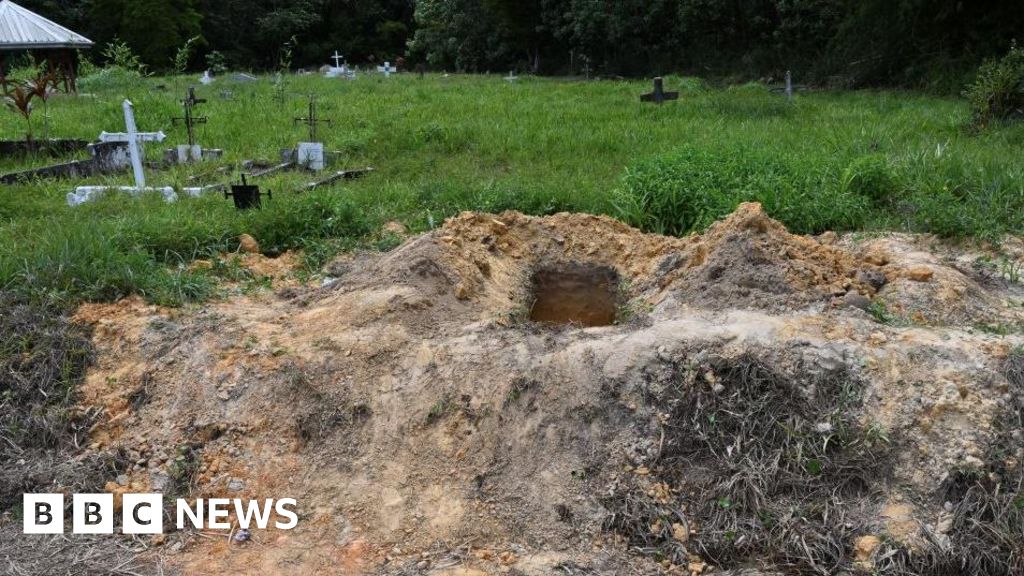
The tranquil landscape of Cumuto, a town approximately 40 kilometers (25 miles) from the bustling capital of Port of Spain, Trinidad and Tobago, has been shattered by a discovery of profound and disturbing proportions. Authorities have confirmed the gruesome finding of the remains of at least 50 infants and six adults unceremoniously dumped at a local graveyard. This incident, initially reported by the Trinidad and Tobago Police Service (TTPS), has sent shockwaves across the twin-island nation and beyond, raising urgent questions about public health protocols, ethical disposal of human remains, and the sanctity of life.
The Unsettling Discovery and Initial Investigations
The initial reports from the TTPS painted a grim picture: a graveyard, meant for solemn repose, had become a site of apparent neglect and disrespect. While the full details are still emerging, police have indicated that a preliminary investigation points towards an "unlawful disposal of unclaimed corpses." This phrase, while seemingly bureaucratic, carries immense weight, suggesting a potential breakdown in the official processes for managing bodies that are not claimed by families from hospitals, morgues, or other institutions. The sheer volume of infant remains is particularly harrowing, prompting immediate public outcry and calls for a thorough and transparent inquiry. The discovery raises a multitude of questions: How long have these remains been there? Who is responsible for their disposal? And what systemic failures allowed such a tragedy to unfold?
Forensic teams have been dispatched to the site in Cumuto to meticulously examine the scene, collect evidence, and attempt to identify the remains. The process is expected to be lengthy and complex, given the likely state of decomposition and the number of individuals involved. The TTPS has assured the public that all avenues of investigation will be pursued, including examining records from hospitals, funeral homes, and the relevant public health authorities to trace the origins of these bodies. The focus will be on understanding the chain of custody for unclaimed remains and identifying any individuals or institutions that may have breached their legal and ethical obligations.
A Nation Grapples with Grief and Outrage
The revelation has ignited a firestorm of public discourse in Trinidad and Tobago. Citizens are expressing a mixture of grief, anger, and profound sadness at the disrespect shown to the deceased, especially the infants. Social media platforms are abuzz with discussions, and local news outlets are dedicating extensive coverage to the unfolding story. Religious leaders have called for prayers and urged authorities to ensure that justice is served and that such an incident never recurs. The emotional toll on the community is palpable, as many grapple with the thought of unidentified children and adults lying in an undignified manner.
This incident also casts a harsh light on the broader issue of unclaimed bodies in the Caribbean. While specific statistics for Trinidad and Tobago are not readily available, many developing nations face challenges in managing unclaimed remains due to various factors, including poverty, lack of proper identification, migration, and the breakdown of family structures. Hospitals and morgues often struggle with limited space and resources, leading to difficult decisions regarding disposal. However, these challenges do not excuse the unlawful or undignified treatment of human remains. The current scandal forces a critical examination of existing policies and the need for more robust, humane, and transparent procedures.
Systemic Failures and Ethical Implications
The phrase "unlawful disposal of unclaimed corpses" suggests more than just a single act of negligence; it points to potential systemic vulnerabilities. In many jurisdictions, there are strict protocols for the disposal of unclaimed bodies, often involving a period of retention, attempts to locate next of kin, and eventual burial or cremation at public expense, always with dignity. If these bodies were indeed "dumped," it implies a severe breach of these protocols, potentially involving:
* Lack of proper record-keeping: Inadequate documentation of bodies entering and leaving facilities. * Insufficient storage capacity: Overwhelmed morgues or hospitals resorting to improper disposal methods. * Corruption or negligence: Individuals or organizations cutting corners for financial gain or due to sheer neglect. * Absence of oversight: A lack of robust monitoring by regulatory bodies to ensure compliance with public health and burial laws.
The ethical implications are profound. Every human being, regardless of their social standing or whether they are claimed by family, deserves a respectful and dignified end. The dumping of bodies not only violates this fundamental principle but also creates a public health risk and causes immense psychological distress to the community. For the families who may eventually learn that their loved ones were among the unclaimed and improperly disposed, the pain will be immeasurable. This incident underscores the critical importance of maintaining the sanctity of human remains as a cornerstone of civilized society.
Moving Forward: Calls for Reform and Accountability
As the investigation progresses, there is a growing demand for accountability. The public expects not only to identify those responsible for this specific act but also to see concrete reforms implemented to prevent future occurrences. This could include:
* Review and update of existing legislation: Ensuring that laws governing the handling and disposal of human remains are comprehensive, clear, and enforceable. * Increased funding and resources: For morgues, hospitals, and public health departments to adequately manage unclaimed bodies. * Enhanced oversight and auditing: Regular inspections and audits of facilities handling human remains to ensure compliance. * Public awareness campaigns: To educate citizens on the importance of registering births and deaths, and the procedures for claiming deceased relatives. * Forensic advancements: Investing in DNA analysis and other technologies to aid in the identification of unknown remains.
The tragic discovery in Cumuto serves as a stark reminder of the often-overlooked vulnerabilities within public health and social welfare systems. It is a moment for introspection and a catalyst for change. The people of Trinidad and Tobago, and indeed the international community, will be watching closely to see how the authorities respond to this crisis, hoping that from this profound indignity, a renewed commitment to dignity and respect for all lives, both living and departed, will emerge.
This incident highlights the urgent need for robust ethical frameworks and transparent operational procedures in managing human remains, particularly in contexts where resources may be strained. The memory of these infants and adults, whose final resting place was so cruelly desecrated, must serve as a powerful impetus for reform and a solemn promise that such an affront to human dignity will never again be tolerated.
Stay Informed
Get the world's most important stories delivered to your inbox.
No spam, unsubscribe anytime.
Comments
No comments yet. Be the first to share your thoughts!