Trump Halts Hormuz Escort Operation, Signals Diplomatic Push with Iran
In a surprising move, President Donald Trump has halted the US military's escort operation in the Strait of Hormuz after just one day, signaling a potential shift towards diplomacy with Iran. This decision, dubbed 'Project Freedom,' aims to de-escalate tensions and pave the way for a broader deal to end the protracted Middle East conflict. The abrupt pause raises questions about the future of maritime security in the vital waterway and the efficacy of US foreign policy in the region.
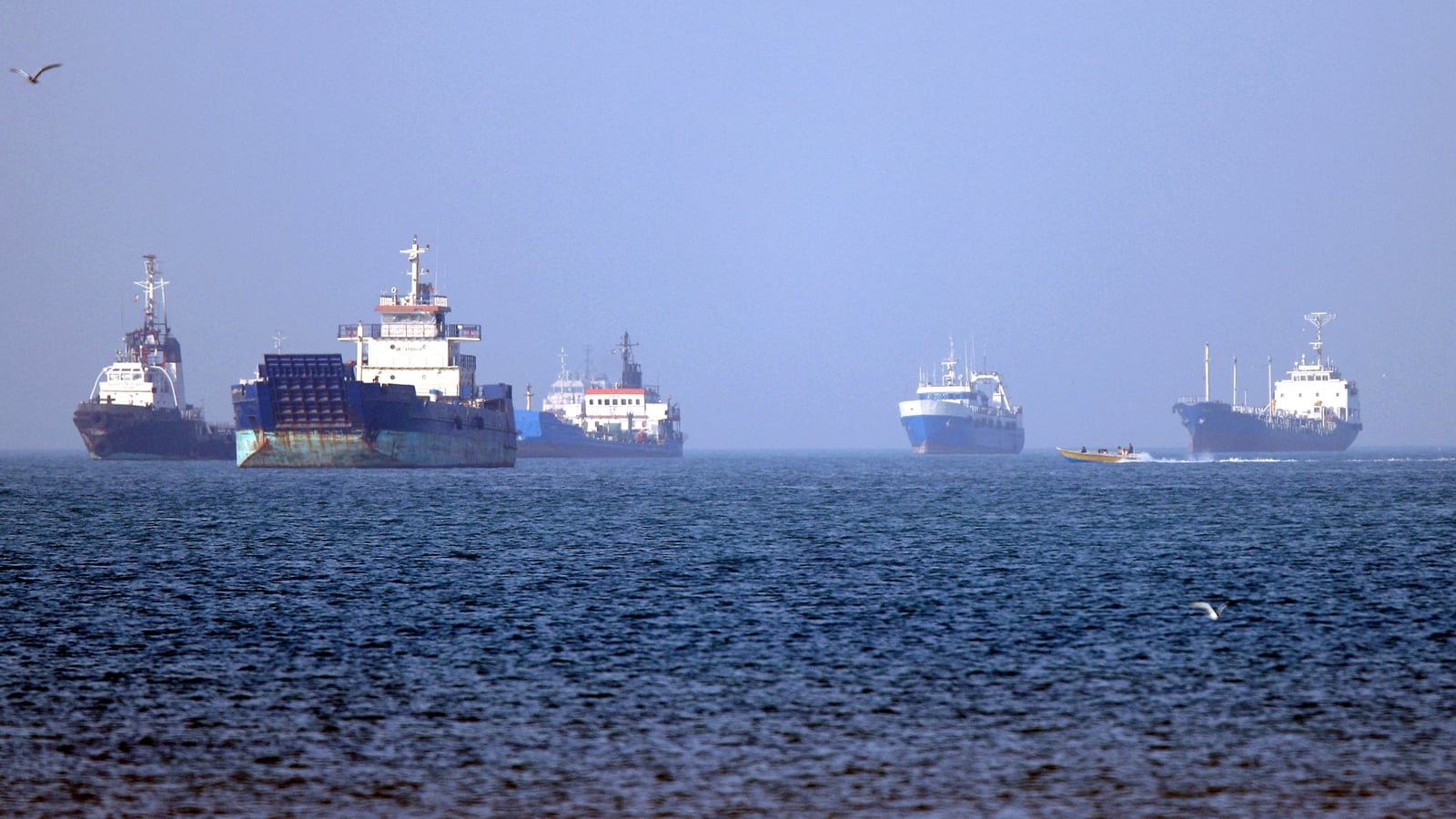
In a dramatic and unexpected turn of events, President Donald Trump announced the immediate cessation of the US military's escort operation in the Strait of Hormuz, a critical global chokepoint for oil shipments. This decision came barely 24 hours after the operation, initially dubbed 'Project Freedom,' was launched, sending ripples of speculation and analysis across international diplomatic and security circles. The stated objective behind this abrupt halt is to create an opening for a diplomatic resolution with Iran, aiming to de-escalate regional tensions and potentially forge a comprehensive deal to end the long-standing conflict in the Middle East.
A Sudden Reversal: Project Freedom's Brief Lifespan
The Strait of Hormuz, a narrow passage between the Persian Gulf and the open ocean, is arguably the world's most strategically important oil transit chokepoint. Approximately one-fifth of the world's total oil consumption, or about 21 million barrels per day, passes through this strait. Recent months have seen a dangerous escalation of incidents, including attacks on tankers and the downing of a US drone, which led to heightened international concern over maritime security. In response, the US had initiated 'Project Freedom,' a military operation designed to provide protection and escort services for commercial vessels navigating the volatile waters.
However, the operation's lifespan proved remarkably short. President Trump's declaration to halt the escorts signals a significant pivot from military posturing to a renewed emphasis on negotiation. This move aligns with Trump's often-stated preference for direct talks and deal-making, even with adversaries, and reflects a potential recognition of the immense economic and geopolitical risks associated with prolonged military confrontation in such a sensitive region. The decision has left allies and adversaries alike scrambling to understand the implications of this sudden policy shift.
The Diplomatic Gambit: Seeking a Grand Bargain with Iran
At the heart of Trump's decision lies a bold diplomatic gambit: the belief that withdrawing military escorts could incentivize Iran to return to the negotiating table. For years, the relationship between Washington and Tehran has been characterized by deep mistrust, sanctions, and proxy conflicts. The Trump administration's unilateral withdrawal from the Joint Comprehensive Plan of Action (JCPOA), commonly known as the Iran nuclear deal, in 2018, further exacerbated tensions, leading to Iran's gradual rollback of its commitments under the accord. The current situation is a direct consequence of this unraveling.
By pausing military operations, the US might be attempting to demonstrate a willingness to de-escalate, thereby creating a more conducive environment for dialogue. This strategy, while risky, aims to break the cycle of tit-for-tat provocations that have plagued the region. The ultimate goal, as articulated by the administration, is not merely to address maritime security but to achieve a broader, more comprehensive agreement that encompasses Iran's nuclear program, its ballistic missile development, and its regional activities. Such a 'grand bargain' would represent a significant foreign policy achievement for the Trump administration, but its feasibility remains highly uncertain given the deep-seated animosity and complex geopolitical landscape.
Regional Reactions and International Implications
The sudden policy shift has elicited a mixed bag of reactions globally. Regional allies, particularly those in the Gulf Cooperation Council (GCC) who rely heavily on US security guarantees, may view the withdrawal of escorts with apprehension. For countries like Saudi Arabia and the United Arab Emirates, continued US military presence is a crucial deterrent against perceived Iranian aggression. The absence of US escorts could force these nations to reconsider their own maritime security strategies or even prompt them to seek alternative alliances.
Conversely, European powers, who have consistently advocated for de-escalation and the preservation of the JCPOA, might cautiously welcome the move as a step towards diplomacy. However, they will also be wary of any perceived weakening of international maritime law and the potential for increased instability. Russia and China, often critical of US unilateralism, will be closely observing the situation, potentially looking for opportunities to expand their own influence in the region should the US's diplomatic efforts falter.
* Key Stakeholders and Their Concerns: * Iran: Seeks sanctions relief, recognition of its regional role, and security guarantees. * US: Aims for a denuclearized Iran, cessation of ballistic missile development, and an end to destabilizing regional actions. * European Allies: Desire stability, preservation of the nuclear deal, and freedom of navigation. * Gulf States: Concerned about Iranian proxies, maritime security, and regional hegemony.
The Path Forward: Diplomacy on a Knife-Edge
The success of this diplomatic initiative hinges on several critical factors. Firstly, Iran's willingness to engage in direct talks without preconditions remains a major hurdle. Tehran has often demanded the lifting of sanctions as a prerequisite for negotiations. Secondly, the ability of the US to present a credible and appealing framework for a new deal, one that addresses Iran's security concerns while also satisfying international demands, will be paramount. Thirdly, the ongoing domestic political dynamics in both the US and Iran, particularly with upcoming elections, could significantly impact the trajectory of any negotiations.
Furthermore, the absence of US escorts in the Strait of Hormuz creates a security vacuum that could be exploited by various actors, intentionally or unintentionally. While the diplomatic opening is a positive development, the risks associated with an unsecured vital waterway are substantial. The international community will be watching closely to see if this audacious diplomatic maneuver by President Trump can indeed pave the way for a lasting peace in the Middle East, or if it will inadvertently lead to further instability in one of the world's most volatile regions. The coming weeks will be crucial in determining whether this pause is a strategic masterstroke or a miscalculation with far-reaching consequences for global energy security and regional stability.
Stay Informed
Get the world's most important stories delivered to your inbox.
No spam, unsubscribe anytime.
Comments
No comments yet. Be the first to share your thoughts!