Trump's Iran Gambit: New Hopes for Talks in Pakistan Amidst Lingering Tensions
Despite recent setbacks, former President Donald Trump's assertion of imminent new talks with Iran in Pakistan has reignited speculation about a potential diplomatic breakthrough. This development comes after a previous round of negotiations reportedly faltered, highlighting the persistent complexities of US-Iran relations. The proposed resumption underscores Pakistan's pivotal role as a potential mediator, even as the international community watches warily for concrete progress.
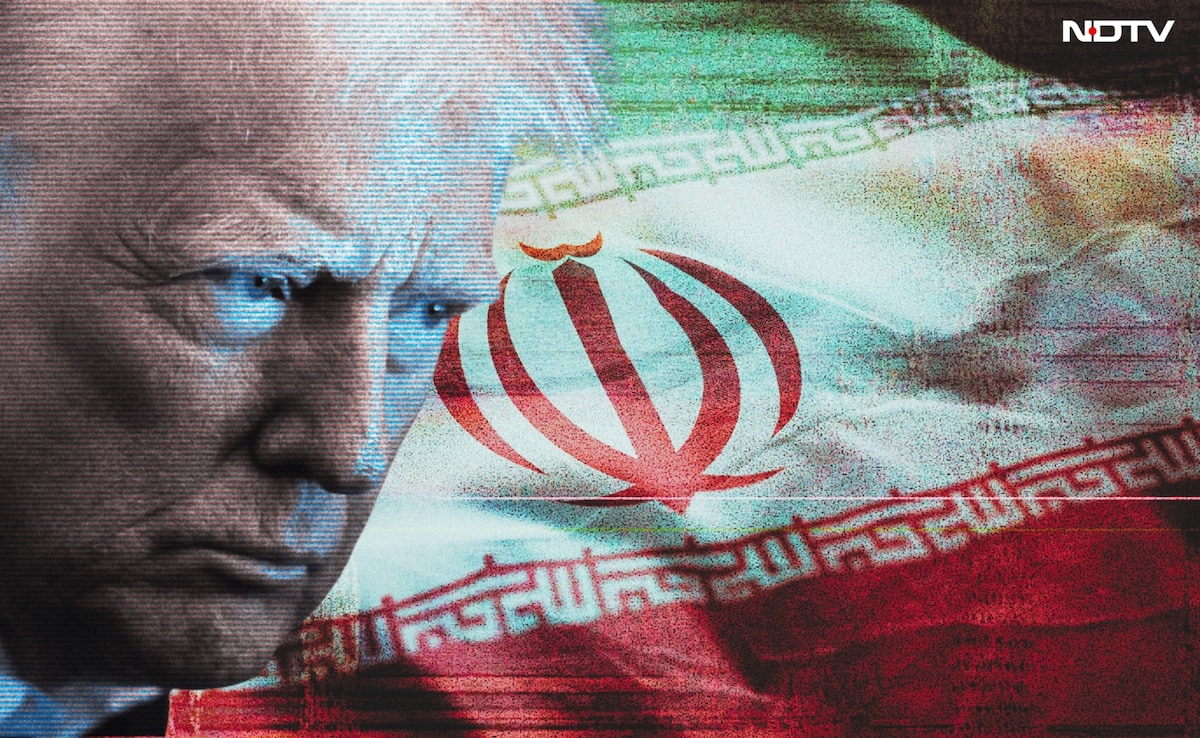
The geopolitical chessboard often sees unexpected moves, and few are as unpredictable as the dynamics between the United States and Iran. In a surprising turn of events, former US President Donald Trump recently declared that fresh talks with Iran were likely to resume in Pakistan "over the next two days," despite a previous round of negotiations having reportedly failed. This announcement, made to the New York Post, injects a renewed, albeit cautious, sense of hope into a relationship long defined by hostility, sanctions, and proxy conflicts. The choice of Pakistan as the venue is particularly significant, underscoring its complex diplomatic position and its potential as a crucial intermediary in high-stakes international diplomacy.
A History of Hostility: The US-Iran Conundrum
To understand the gravity of these proposed talks, one must first appreciate the deep-seated animosity that has characterized US-Iran relations for decades. The 1979 Iranian Revolution, which saw the overthrow of the US-backed Shah and the establishment of an Islamic Republic, marked a dramatic pivot. The subsequent hostage crisis at the US embassy in Tehran cemented a legacy of mistrust. For over 40 years, this relationship has been a tightrope walk, punctuated by periods of intense confrontation and fleeting moments of potential rapprochement. Key flashpoints include the Iran-Iraq War (where the US initially tilted towards Iraq), the development of Iran's nuclear program, and the imposition of crippling international sanctions.
The Joint Comprehensive Plan of Action (JCPOA), signed in 2015 under the Obama administration, represented a significant, albeit fragile, attempt at de-escalation. It offered Iran sanctions relief in exchange for verifiable limits on its nuclear activities. However, Trump's unilateral withdrawal from the JCPOA in 2018, followed by a "maximum pressure" campaign of renewed sanctions, plunged the relationship into a new era of heightened tension. This withdrawal was a major point of contention, leading to Iran's gradual rollback of its commitments under the deal and an escalation of its uranium enrichment activities. The assassination of Iranian General Qasem Soleimani in early 2020 further pushed the two nations to the brink of war, demonstrating the volatile nature of their interactions.
Pakistan's Pivotal Role: A Neutral Ground?
Pakistan's emergence as the preferred venue for these sensitive negotiations is not without precedent, nor is it accidental. As a strategically important nation bordering Iran and a long-standing, albeit sometimes strained, ally of the United States, Pakistan occupies a unique geopolitical space. Its diplomatic ties with both nations, coupled with its own regional security interests, position it as a credible, if cautious, host for such delicate discussions. Islamabad has historically sought to maintain a balanced foreign policy, navigating the complex web of relationships in the Middle East and South Asia. This neutrality, or at least its perceived ability to facilitate dialogue without overtly siding with either party, makes it an attractive option for both Washington and Tehran.
However, hosting such talks also comes with significant risks for Pakistan. Any perceived failure or misstep could strain its relationships with either the US or Iran, both of whom are crucial partners in different capacities. For instance, Pakistan shares a long, porous border with Iran and has economic interests tied to its neighbor, while also relying on the US for military aid and diplomatic support. Its role as a mediator highlights the growing trend of non-traditional powers stepping onto the global diplomatic stage, offering neutral ground where direct engagement between adversaries might otherwise be impossible.
The Stakes: What's on the Table?
The potential agenda for these renewed talks is vast and fraught with complexity. At its core, the discussions would likely revolve around Iran's nuclear program, the lifting of US sanctions, and regional stability. For the US, preventing Iran from acquiring nuclear weapons remains a paramount concern. For Iran, the immediate priority is the alleviation of economic sanctions that have crippled its economy and fueled domestic discontent. Beyond the nuclear issue, broader regional concerns, such as Iran's influence in Iraq, Syria, Lebanon, and Yemen, and its ballistic missile program, are also likely to be points of contention.
* Nuclear Program: The immediate goal for the US would be to secure commitments from Iran to halt and reverse its uranium enrichment beyond JCPOA limits and to re-engage with international inspectors. Iran, conversely, would demand a guaranteed, verifiable return to the JCPOA by the US and a lifting of all sanctions. * Sanctions Relief: The economic impact of US sanctions on Iran has been severe, leading to high inflation, unemployment, and a decline in oil exports. Iran's leadership is under immense pressure to secure relief, which could stabilize its economy and alleviate public suffering. * Regional Stability: The US and its allies are deeply concerned about Iran's support for various non-state actors and its perceived destabilizing activities in the Middle East. Any comprehensive agreement would likely need to address these broader security concerns, though this is often the most intractable aspect of negotiations.
Expert Analysis and Future Implications
Diplomatic experts are cautiously optimistic but realistic about the prospects of these talks. Dr. Sarah Khan, a senior analyst at the Institute for Global Diplomacy, notes, "Trump's announcement, while characteristic in its abruptness, signals a potential shift in strategy. The fact that Iran might be willing to re-engage, even indirectly, suggests a recognition of the economic pressures they face. However, the path to a comprehensive deal is riddled with obstacles, not least the deep mistrust on both sides and the domestic political considerations in both Washington and Tehran." She adds that the "maximum pressure" campaign, while failing to bring Iran to its knees, has undeniably created an impetus for dialogue, albeit on Iran's terms of sanctions relief.
The implications of successful talks could be profound. A diplomatic breakthrough could lead to a significant de-escalation of tensions in the Middle East, potentially paving the way for broader regional security arrangements. It could also have a substantial impact on global oil markets and international trade. Conversely, a failure to reach an agreement could lead to further escalation, potentially pushing Iran closer to developing a nuclear weapon and increasing the risk of military confrontation.
The Road Ahead: A Fragile Hope
As the world watches, the prospect of renewed US-Iran talks in Pakistan offers a glimmer of hope in an otherwise bleak diplomatic landscape. While the challenges are immense and the history of animosity is long, the very act of sitting down to negotiate, even indirectly, represents a crucial step. The coming days will be critical in determining whether this latest diplomatic overture can translate into meaningful progress or if it will simply become another footnote in the tumultuous history of US-Iran relations. The international community, particularly those nations directly impacted by Middle Eastern instability, will be holding its breath, hoping that diplomacy, however fragile, can prevail over confrontation. The ball, it seems, is now in Pakistan's court, tasked with fostering an environment conducive to breaking decades of deadlock and fostering a path towards a more stable future.
Stay Informed
Get the world's most important stories delivered to your inbox.
No spam, unsubscribe anytime.
Comments
No comments yet. Be the first to share your thoughts!