Trump's Late-Night Digital Barrage: A Deep Dive into Political Warfare Amidst Global Crises
Former President Donald Trump recently launched an extensive late-night social media offensive, targeting political adversaries including Barack Obama and the New York Times, while also calling for the prosecution of Democratic rivals. This digital tirade occurred amidst escalating global tensions, particularly concerning the Iran war, raising questions about the intersection of domestic political rhetoric and international stability. PulseWorld examines the implications of such unprecedented online behavior on American political discourse and global perceptions.
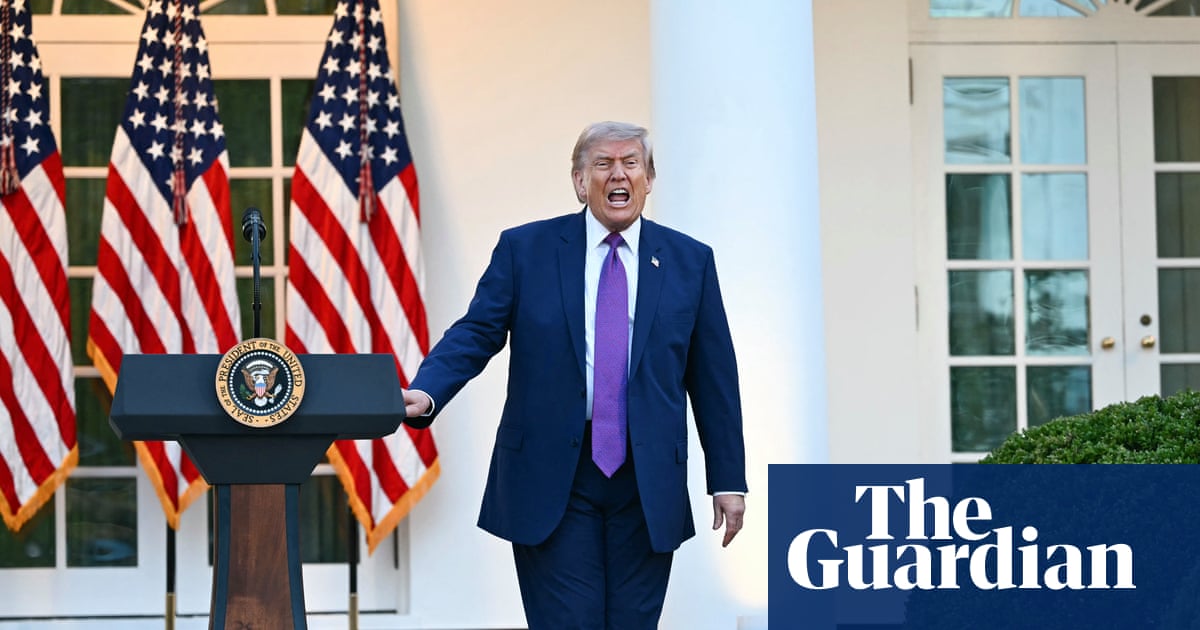
In the volatile landscape of modern politics, where digital platforms have become the primary battlegrounds, former President Donald Trump recently unleashed a characteristic late-night social media barrage that sent ripples through the American political establishment and beyond. With over 50 posts in just three hours, Trump's digital offensive was a broadside against perceived enemies, including former President Barack Obama, the New York Times, and even the Supreme Court, punctuated by calls for the prosecution of his Democratic rivals. This extraordinary display of online aggression unfolded against a backdrop of intensifying global crises, most notably the protracted conflict in Iran, prompting critical questions about the impact of such rhetoric on both domestic stability and international relations.
Trump's social media habits have long been a subject of intense scrutiny, defining a new era of direct communication between a political leader and his base, bypassing traditional media gatekeepers. However, this particular late-night spree, characterized by its sheer volume and aggressive tone, marked a significant escalation, underscoring the enduring power and controversy of his digital presence. For PulseWorld readers, understanding the nuances of this phenomenon is crucial to grasping the current state of American political discourse.
The Anatomy of a Digital Tirade
The recent social media blitz by Donald Trump was not merely a series of isolated posts; it was a carefully orchestrated, albeit seemingly spontaneous, digital campaign. The targets were varied but strategically chosen: Barack Obama was accused of unspecified wrongdoings, a recurring theme in Trump's rhetoric designed to delegitimize his predecessor's legacy. The New York Times, a frequent recipient of Trump's ire, was attacked for its reporting, labeled as 'fake news' and an enemy of the people – a tactic aimed at eroding public trust in mainstream journalism. The Supreme Court, despite its conservative majority appointed during his presidency, also faced criticism, highlighting Trump's transactional view of loyalty and institutional independence.
Perhaps most alarming were the explicit calls for the prosecution of Democratic rivals. While not uncommon in highly polarized political environments, a former president openly advocating for the legal persecution of his opponents crosses a significant line, potentially undermining the rule of law and democratic norms. This rhetoric, often amplified by his millions of followers, creates a feedback loop of distrust and animosity, further entrenching partisan divides. The sheer volume of posts, often containing unsubstantiated claims and personal attacks, served to dominate the news cycle, diverting attention from other pressing issues and reinforcing his narrative among his core supporters.
Historical Context: A New Era of Political Communication
Donald Trump's use of social media, particularly platforms like Twitter (now X), revolutionized political communication. Before his presidency, social media was primarily used by politicians for campaign updates, policy announcements, or carefully curated public relations. Trump, however, weaponized it, transforming it into a direct, unfiltered conduit for his thoughts, grievances, and policy pronouncements. This approach, while often criticized for its lack of decorum and factual inaccuracies, proved incredibly effective in mobilizing his base and bypassing what he frequently termed the 'mainstream media filter.'
This strategy draws parallels with earlier populist movements that sought to bypass traditional information channels. From Franklin D. Roosevelt's fireside chats to Ronald Reagan's masterful use of television, political leaders have always adapted to new technologies to connect with the public. Trump's innovation was to embrace the immediacy and unfiltered nature of social media, turning it into a constant, real-time campaign rally. This has had profound implications for journalism, public trust, and the very fabric of democratic debate, where facts often contend with emotionally charged assertions.
The Shadow of Global Crises: Iran and Beyond
Crucially, this late-night digital storm unfolded just hours before significant developments in the ongoing Iran conflict. The source description highlights that this occurred "Just hours before a high-stak..." (referring to the Iran war). While the exact nature of these high-stakes developments is not fully detailed in the provided source, the timing is critical. In times of international tension, the words and actions of influential political figures, even former ones, carry immense weight. A former president's public attacks on domestic institutions and rivals, particularly when laced with inflammatory language, can be perceived internationally as a sign of internal disunity or instability.
International observers often look to a nation's internal political climate for clues about its foreign policy resolve and reliability. When a prominent figure engages in such divisive rhetoric, it can complicate diplomatic efforts, embolden adversaries, or sow doubt among allies. For example, if a nation's political leadership appears fractured or consumed by internal squabbles, it might be seen as less capable of projecting strength or leading on the global stage. This is particularly pertinent when dealing with complex and sensitive geopolitical situations like the Iran conflict, where stability and clear communication are paramount.
Implications for American Democracy and Future Elections
Trump's continued use of social media as a primary vehicle for political combat has several profound implications for American democracy. Firstly, it normalizes a level of aggressive rhetoric that can erode civility and trust in political processes. When calls for prosecution become commonplace, the line between political disagreement and criminal accusation blurs, potentially leading to a more punitive and less democratic political culture.
Secondly, it challenges the role of institutions. Attacks on the judiciary, the press, and even past administrations undermine the foundational pillars of democratic governance. This constant questioning of legitimacy can have long-term effects on public confidence in these institutions, making them more vulnerable to future challenges.
Finally, for the upcoming elections, this strategy signals a continuation of the highly personalized and often confrontational style that defined Trump's previous campaigns. It suggests that the digital arena will remain a central battleground, where narratives are shaped and reshaped in real-time, often bypassing traditional media analysis. Voters will continue to grapple with a deluge of information, much of it unverified, making critical media literacy more important than ever.
Key Takeaways: * Normalization of Aggression: Trump's rhetoric normalizes aggressive, often unsubstantiated attacks on political opponents and institutions. * Erosion of Trust: Constant criticism of the press and judiciary can undermine public trust in democratic pillars. * Digital Dominance: Social media remains a powerful, unfiltered channel for political messaging, shaping public discourse. * Global Perception: Domestic political strife, especially from influential figures, can impact international perceptions of stability and leadership.
The Road Ahead: Navigating a Polarized Digital Landscape
The late-night social media spree by Donald Trump is more than just a fleeting news item; it is a symptom of a deeper transformation in political communication and democratic norms. As the world grapples with complex geopolitical challenges like the Iran conflict, the internal dynamics of powerful nations like the United States become even more critical. The continued weaponization of digital platforms by political figures demands a heightened level of vigilance from citizens, journalists, and policymakers alike.
Moving forward, the challenge for democratic societies will be to find ways to foster constructive dialogue and uphold institutional integrity in an environment saturated with instant, often inflammatory, digital content. The incident serves as a stark reminder that the digital realm is not merely an extension of reality but a powerful force shaping it, with consequences that reverberate from local communities to the global stage. Understanding and addressing these dynamics will be paramount for navigating the turbulent waters of 21st-century politics.
Stay Informed
Get the world's most important stories delivered to your inbox.
No spam, unsubscribe anytime.
Comments
No comments yet. Be the first to share your thoughts!