Trump's Ultimatum to Iran: Accept Peace Deal or Face 'Much Higher Level' of Bombing
Former President Donald Trump has issued a stark warning to Iran, presenting a 'take it or leave it' peace deal amidst escalating tensions. The proposed 14-point framework aims to end the protracted conflict, but Trump's message is clear: failure to accept will lead to a dramatically intensified military response. This ultimatum places immense pressure on Tehran, forcing a critical decision with profound regional and global implications.
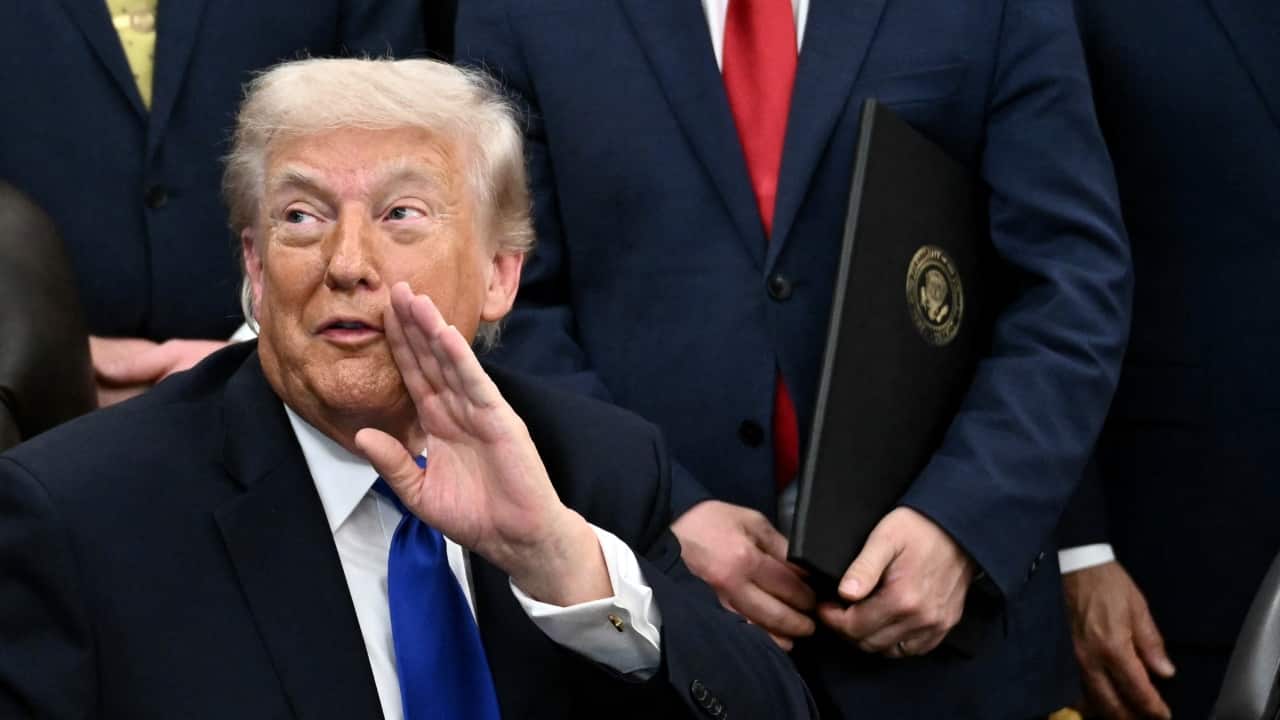
In a dramatic escalation of rhetoric, former U.S. President Donald Trump has delivered a blunt ultimatum to Iran: accept a proposed 14-point peace deal or brace for a “much higher level” of bombing. This stark warning, issued amidst ongoing, delicate negotiations, underscores the precarious state of relations between Washington and Tehran and highlights the immense pressure on both sides to find a resolution to a conflict that has destabilized the Middle East for years. The message from Trump is unequivocal, leaving little room for ambiguity: a pathway to peace is on the table, but so is the specter of unprecedented military action.
This development comes at a critical juncture, with international observers and regional powers watching closely as the two adversaries weigh their options. The proposed framework, details of which remain largely undisclosed, represents a concerted effort to de-escalate hostilities and establish a lasting peace. However, Trump's characteristic strong-arm diplomacy suggests that the window for negotiation may be rapidly closing, pushing Iran to a decisive moment.
The Anatomy of an Ultimatum: Trump's Diplomatic Strategy
Donald Trump's approach to foreign policy has consistently been characterized by a blend of aggressive posturing and transactional deal-making. His latest warning to Iran fits squarely within this paradigm. By presenting a 'take it or leave it' proposition, Trump aims to force Iran's hand, believing that the threat of overwhelming military force is the most effective leverage. This strategy, often dubbed 'maximum pressure,' seeks to compel adversaries to concede by demonstrating a willingness to employ severe consequences.
The phrase “much higher level” of bombing is particularly chilling, evoking memories of past conflicts and suggesting a significant escalation beyond anything previously witnessed. This isn't merely a threat of continued engagement; it implies a qualitative and quantitative shift in military operations, designed to inflict substantial damage and cripple Iran's capabilities. For a nation that has endured decades of sanctions and proxy conflicts, such a prospect is undoubtedly a grave concern.
Analysts suggest that this hardline stance is also intended for a domestic audience, signaling strength and resolve, while simultaneously attempting to project an image of a leader willing to pursue peace, albeit on his own terms. The 14-point peace talks, though shrouded in secrecy, are likely comprehensive, addressing key areas of contention such as Iran's nuclear program, its ballistic missile development, its support for regional proxies, and potentially, the withdrawal of foreign forces from certain conflict zones. The complexity of these issues means that any agreement would require significant concessions from both sides, making Trump's ultimatum a high-stakes gambit.
Historical Context: A Legacy of Mistrust and Confrontation
The current standoff between the U.S. and Iran is deeply rooted in a long and tumultuous history, marked by revolution, proxy wars, and profound ideological differences. The 1979 Iranian Revolution, which saw the overthrow of the U.S.-backed Shah and the establishment of an Islamic Republic, fundamentally reshaped the geopolitical landscape of the Middle East. Since then, relations have been characterized by mutual suspicion and intermittent direct and indirect conflict.
Key milestones in this fraught relationship include the Iran-Iraq War (1980-1988), where the U.S. covertly supported Iraq; the development of Iran's nuclear program, which has been a source of international concern for decades; and the U.S. invasion of Iraq in 2003, which inadvertently strengthened Iran's regional influence. The 2015 Joint Comprehensive Plan of Action (JCPOA), or Iran nuclear deal, represented a brief period of de-escalation, but Trump's withdrawal from the agreement in 2018 reignited tensions, leading to a renewed cycle of sanctions and provocations.
The current conflict has manifested in various ways: attacks on oil tankers in the Persian Gulf, drone strikes, cyber warfare, and proxy engagements in Yemen, Syria, and Iraq. Each incident has brought the region closer to a full-blown war, making the current peace talks all the more critical. The memory of past military interventions and their often unintended consequences looms large over the current negotiations, adding an extra layer of urgency and caution to the proceedings.
The Implications for Iran and the Region
For Iran, Trump’s ultimatum presents an agonizing dilemma. Accepting a deal under duress could be perceived as a sign of weakness by hardliners within the regime, potentially undermining its legitimacy. Conversely, rejecting the deal carries the immense risk of facing a devastating military campaign that could cripple its infrastructure, economy, and military capabilities. The Iranian leadership, comprising diverse factions, will have to navigate these treacherous waters carefully, balancing national pride with pragmatic survival.
Economically, Iran is already reeling under severe U.S. sanctions, which have crippled its oil exports and isolated it from the global financial system. An intensified bombing campaign would exacerbate this crisis, potentially leading to widespread social unrest. Militarily, while Iran possesses a formidable conventional and asymmetrical warfare capability, it is unlikely to withstand a sustained, high-intensity assault from the U.S. without suffering catastrophic losses. The psychological impact of such a campaign on the Iranian populace would also be immense.
Regionally, the implications are equally profound. A full-scale conflict between the U.S. and Iran would inevitably draw in neighboring countries, potentially igniting a wider regional war. Saudi Arabia, Israel, and other Gulf states, who view Iran as a primary threat, would be directly impacted. The flow of oil through the Strait of Hormuz, a critical global chokepoint, would be severely disrupted, sending shockwaves through the global economy. The humanitarian cost of such a conflict would be staggering, leading to massive displacement and a further destabilization of an already fragile region.
The Path Forward: A High-Stakes Decision
The coming days and weeks will be crucial as Iran deliberates its response to Trump’s ultimatum. The 14-point peace deal, if accepted, could pave the way for a significant de-escalation, potentially leading to a more stable and predictable Middle East. However, the terms of such a deal would undoubtedly be stringent, requiring Iran to make substantial concessions that it has historically resisted.
Should Iran reject the deal, the world could witness a dramatic and dangerous escalation of hostilities. The international community, including major powers like China, Russia, and European nations, has a vested interest in preventing such an outcome. Their diplomatic efforts, though often sidelined by the direct confrontation between Washington and Tehran, will be vital in encouraging restraint and facilitating a peaceful resolution.
Ultimately, the decision rests with Tehran. The choice between accepting a potentially unpalatable peace agreement and facing a “much higher level” of bombing is one of the most consequential decisions the Iranian leadership has faced in decades. The outcome will not only determine the future of Iran but will also profoundly shape the geopolitical landscape of the Middle East and beyond, marking a critical turning point in a long and bitter rivalry. The world watches with bated breath, hoping that diplomacy, however fraught, can avert a catastrophic war.
Stay Informed
Get the world's most important stories delivered to your inbox.
No spam, unsubscribe anytime.
Comments
No comments yet. Be the first to share your thoughts!