UN Alarms Over Escalating Gaza Violence Despite Ceasefire: Humanitarian Crisis Deepens
The United Nations has issued a grave warning regarding a significant surge in Israeli attacks and security incidents across the Gaza Strip, directly contradicting the spirit of a declared ceasefire. This escalation has severely impacted humanitarian operations, with facilities repeatedly targeted, raising urgent concerns about civilian safety and the delivery of critical aid. The international community is now grappling with the implications of this renewed instability on an already fragile region.
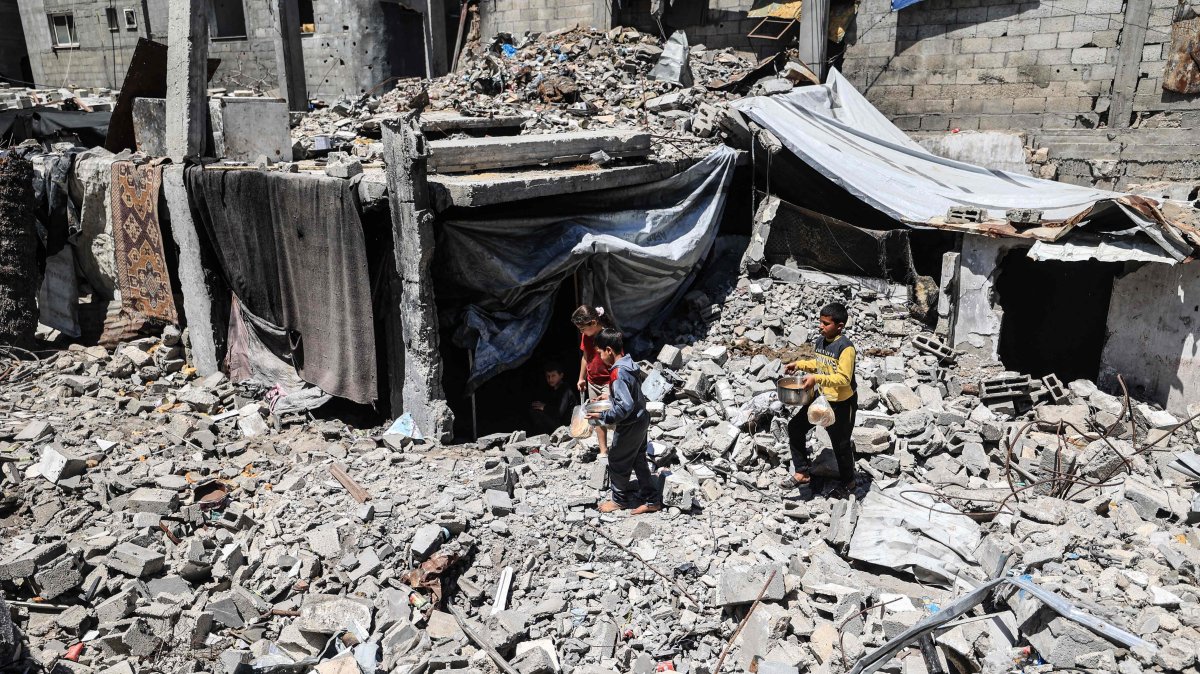
The fragile peace in the Gaza Strip, often a mirage rather than a reality, appears to be shattering once more. The United Nations has sounded a stark alarm, reporting a disturbing surge in Israeli attacks and security incidents across the besieged enclave over the past week, even in the supposed shadow of a ceasefire agreement. This escalation is not merely a statistical uptick; it represents a profound and dangerous unraveling of stability, with humanitarian facilities — the very lifelines for a desperate population — repeatedly coming under fire. The implications are dire, threatening to plunge an already suffering region into deeper despair and further complicating the monumental task of aid delivery.
A Ceasefire in Name Only?
The UN's Office for the Coordination of Humanitarian Affairs (OCHA) has been meticulous in its documentation, revealing a pattern of violence that directly contravenes the principles of de-escalation. The report highlights numerous instances where areas designated for humanitarian operations, including those housing aid workers and displaced civilians, have become targets. This isn't an isolated incident; it's a systemic problem that undermines trust and jeopardizes the safety of those striving to alleviate suffering. The concept of a 'ceasefire' becomes meaningless when the very infrastructure of aid and civilian life is under constant threat. Analysts suggest that the continued security incidents, regardless of their stated intent, contribute to a climate of fear and instability that makes any long-term peace prospects incredibly challenging. The international community's role in monitoring and enforcing such agreements is now under intense scrutiny, as the gap between declared intentions and on-the-ground realities widens.
Historical context is crucial here. The Gaza Strip, a densely populated territory, has endured decades of conflict, blockade, and humanitarian crises. Each 'ceasefire' has historically been a temporary pause, often followed by renewed hostilities. The current situation, however, is particularly alarming given the scale of recent destruction and the unprecedented level of humanitarian need. The targeting of aid facilities, whether intentional or incidental, creates a chilling effect, deterring relief efforts and exacerbating the existing crisis. The UN's report serves as a critical reminder that declarations of peace must be matched by concrete actions on the ground, and that accountability for violations is paramount.
The Human Cost: A Deepening Humanitarian Catastrophe
The most immediate and tragic consequence of this surge in violence is the exacerbation of the humanitarian crisis. Gaza's 2.3 million residents, over half of whom are children, are already facing catastrophic conditions. The blockade, now in its 17th year, has crippled the economy and severely limited access to essential services. The recent conflict has left vast swathes of infrastructure in ruins, displacing over 80% of the population and pushing them to the brink of famine. With hospitals barely functioning, clean water scarce, and food supplies dwindling, any disruption to aid delivery can have fatal consequences.
OCHA's findings paint a grim picture: * Increased casualties: The report notes a rise in civilian injuries and fatalities, including women and children, directly linked to the renewed attacks. * Disrupted aid routes: Critical humanitarian corridors are becoming increasingly dangerous, hindering the movement of food, medicine, and other vital supplies. * Damage to infrastructure: Beyond direct attacks on facilities, the general insecurity makes repairs to essential services like water, sanitation, and electricity grids nearly impossible. * Psychological trauma: The constant threat of violence inflicts profound and lasting psychological damage on a population already scarred by years of conflict.
Aid organizations on the ground are struggling to cope. "Every time there's a flare-up, our ability to reach those most in need is compromised," stated a representative from a leading NGO, who requested anonymity due to security concerns. "We are seeing levels of desperation that are simply heartbreaking. The international community cannot afford to look away." The current situation risks turning an already dire humanitarian emergency into an irreversible catastrophe, with long-term implications for regional stability and global security.
International Law and Accountability
The repeated targeting of humanitarian facilities and the surge in violence raise serious questions about adherence to international humanitarian law. Under the Geneva Conventions, humanitarian workers, facilities, and aid convoys are protected and must not be targeted. Any actions that impede the delivery of essential aid to civilians in need are considered grave breaches of these laws. The UN's report implicitly, and at times explicitly, calls for greater accountability from all parties involved.
Expert analysis from international law scholars underscores the gravity of the situation. Dr. Elena Petrova, a specialist in conflict resolution at the University of Geneva, commented, "The consistent reports of humanitarian facilities being struck, even amidst a ceasefire declaration, point to either a severe lack of operational restraint or a deliberate disregard for protected status. Both scenarios demand robust international investigation and clear consequences to uphold the integrity of international law and prevent further atrocities." The principle of distinction, which requires parties to a conflict to distinguish between civilian and military objects, appears to be dangerously eroded in the current context. Without accountability, the cycle of violence is likely to persist, further eroding international norms and protections.
A Path Forward: Diplomacy, Protection, and Sustained Aid
The current trajectory is unsustainable. The international community faces an urgent imperative to act decisively. A renewed and robust diplomatic effort is essential to not only reinforce the ceasefire but also to establish a more durable framework for peace and security. This must include mechanisms for independent monitoring and verification of ceasefire adherence, as well as clear pathways for accountability when violations occur.
Furthermore, immediate steps are needed to ensure the unhindered flow of humanitarian aid and the protection of aid workers. This could involve: * Establishing secure humanitarian corridors: Clearly delineated and internationally protected routes for aid delivery. * Enhanced monitoring: Deploying more international observers to document incidents and ensure compliance with international law. * Increased funding: A significant boost in financial support for UN agencies and NGOs operating in Gaza, allowing them to scale up operations despite the challenges. * Pressure for de-escalation: Concerted diplomatic pressure on all parties to cease hostilities and prioritize civilian protection.
The long-term solution, however, remains elusive without addressing the root causes of the conflict. This includes working towards a political resolution that ensures security for all populations in the region and respects international law. As the UN continues to document the grim realities on the ground, its reports serve as a powerful call to action. The world cannot afford to let the ceasefire in Gaza become merely a prelude to further tragedy. The time for decisive, collective action to protect civilians and uphold humanitarian principles is now, before the fragile hope for peace is extinguished entirely.
Stay Informed
Get the world's most important stories delivered to your inbox.
No spam, unsubscribe anytime.
Comments
No comments yet. Be the first to share your thoughts!