Unlocking the Future of Wearables: How Google's Fitbit Air Preorder Deal is Redefining Tech Accessibility
Google is making waves in the wearable technology market with an unprecedented preorder deal for the highly anticipated Fitbit Air. Consumers can now acquire the minimalist device for free by trading in an eligible smartwatch, a move that could democratize access to advanced health tracking. This strategy not only boosts adoption but also sets a new precedent for tech giants in a competitive landscape. Discover how this offer impacts the industry and what it means for you.
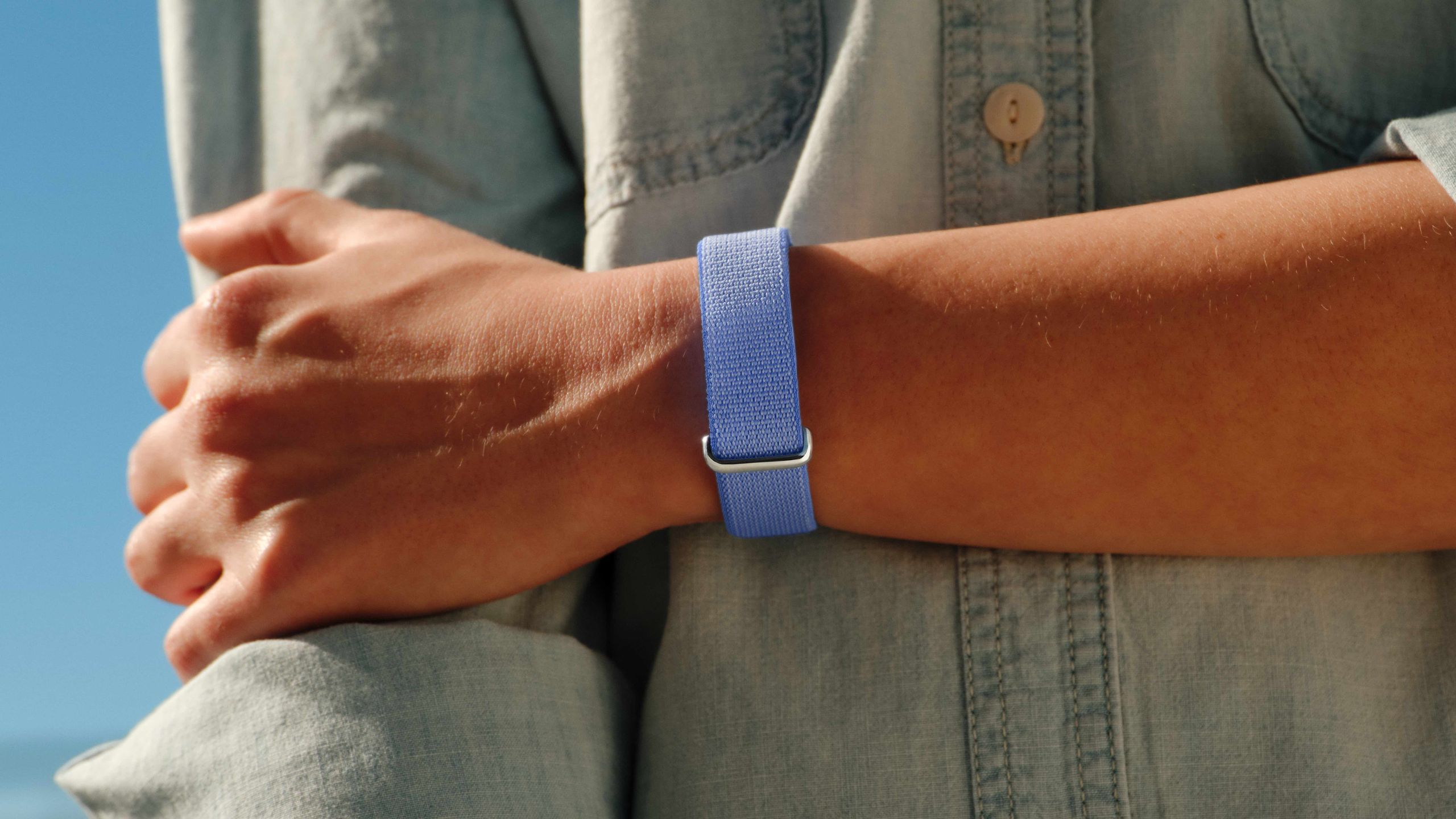
In an era where technological innovation often comes with a hefty price tag, Google is poised to disrupt the wearable market with an audacious move: offering its highly anticipated Fitbit Air for free to early adopters. While the sleek, minimalist device isn't officially slated to hit retail shelves until May 25th, an exclusive preorder deal through the Google Store allows consumers to acquire it at no cost by simply trading in an eligible smartwatch. This strategy is not merely a promotional gimmick; it represents a significant shift in how tech giants approach product launches, market penetration, and consumer engagement, potentially democratizing access to cutting-edge health and fitness monitoring.
The Strategic Masterstroke: Google's Play for Market Dominance
Google's decision to offer the Fitbit Air for free via trade-in is a calculated maneuver designed to achieve several strategic objectives. Firstly, it aims to rapidly expand the user base for the Fitbit Air, ensuring a strong launch and immediate market presence. By removing the financial barrier to entry, Google can entice a broader spectrum of consumers, including those who might have been hesitant to invest in a new wearable. This aggressive pricing strategy is particularly potent in a market that has seen increasing competition from players like Apple, Samsung, and a host of smaller, agile startups.
Secondly, the trade-in program serves as an effective way to capture market share from competitors. By encouraging users to swap their existing smartwatches – regardless of brand – Google is directly siphoning users from rival ecosystems. This not only boosts Fitbit Air's adoption but also subtly integrates new users into the broader Google health and wellness platform, which includes services like Google Fit and the extensive Android ecosystem. The data collected from these new users will be invaluable for refining future products and services, creating a virtuous cycle of improvement and engagement.
Thirdly, this approach generates significant buzz and media attention. The concept of a 'free' high-tech device is inherently newsworthy and creates a viral marketing effect that money alone often cannot buy. This pre-launch excitement builds anticipation and ensures that by May 25th, the Fitbit Air is already a household name, ready for its official debut with a substantial user base already on board. It’s a testament to Google’s understanding of consumer psychology and market dynamics, leveraging the allure of a 'deal' to drive widespread adoption.
The Evolution of Wearables: A Brief History and Fitbit's Journey
The wearable technology market has come a long way since its nascent stages. From clunky pedometers to sophisticated smartwatches capable of monitoring everything from heart rate to blood oxygen levels, the evolution has been rapid and transformative. Fitbit, founded in 2007, was a pioneer in this space, popularizing activity trackers long before the advent of the modern smartwatch. Its focus on fitness, sleep tracking, and health metrics resonated with a global audience, establishing it as a household name.
Google's acquisition of Fitbit in 2021 for approximately $2.1 billion marked a pivotal moment. This acquisition was not just about buying a brand; it was about integrating Fitbit's deep expertise in health tracking and its established user base into Google's vast hardware and software ecosystem. The Fitbit Air is the latest fruit of this integration, promising a blend of Fitbit's renowned health features with Google's design philosophy and AI capabilities. The 'Air' moniker itself suggests a focus on minimalism, comfort, and perhaps even advanced, untethered functionality, pushing the boundaries of what a wearable can be.
Past launches have often relied on traditional marketing and incremental discounts. However, Google's current strategy with the Fitbit Air signifies a more aggressive, market-disrupting approach. It acknowledges the maturity of the wearable market and the need for a compelling differentiator beyond just features. The 'free' offer is that differentiator, aiming to overcome consumer inertia and upgrade cycles.
Expert Analysis: Implications for Consumers and the Industry
Industry analysts are closely watching Google's move, recognizing its potential to reshape the competitive landscape. "This isn't just about selling a device; it's about ecosystem lock-in," states Dr. Anya Sharma, a tech industry economist. "By offering the Fitbit Air for free, Google is effectively subsidizing the entry into their health platform. Once users are integrated, the stickiness of the ecosystem, through data, app integrations, and future services, becomes incredibly strong." This strategy could force competitors to re-evaluate their own pricing and marketing tactics, potentially leading to a price war or more innovative bundle deals in the future.
For consumers, the benefits are clear: access to a state-of-the-art wearable without the upfront cost. However, it's crucial to understand the terms of the trade-in. Eligibility criteria for smartwatches, the condition required, and the process itself are factors potential users must consider. The deal also raises questions about data privacy and how Google plans to leverage the vast amounts of health data collected by the Fitbit Air. Transparency and robust privacy controls will be paramount to maintaining user trust.
Furthermore, the emphasis on a 'minimalist' design for the Fitbit Air suggests a trend towards less intrusive, more integrated technology. As wearables become more sophisticated, their physical presence often diminishes, aiming for seamless integration into daily life rather than standing out as a gadget. This design philosophy aligns with a broader consumer desire for technology that enhances, rather than complicates, their existence.
The Road Ahead: What This Means for the Future of Wearables
Google's aggressive preorder strategy for the Fitbit Air is more than just a product launch; it's a bold statement about the future direction of wearable technology. It signals a shift towards:
* Increased Accessibility: Making advanced health tech available to a wider audience, potentially improving public health outcomes. * Ecosystem Dominance: A clear play by tech giants to expand their digital ecosystems through hardware integration. * Competitive Pressure: Forcing rivals to innovate not just in features, but also in pricing and distribution models. * Data-Driven Health: Further cementing the role of wearables in collecting personal health data, raising important ethical and privacy considerations. * Minimalist Design: A continued focus on sleek, unobtrusive devices that blend seamlessly into daily life.
As May 25th approaches, the tech world will be watching to see the full impact of this unprecedented offer. The Fitbit Air, through its innovative launch strategy, is set to become a case study in how to disrupt a mature market and redefine consumer expectations. Whether it fully democratizes wearable tech or simply intensifies the battle for market share, one thing is certain: Google has just made a monumental move that will resonate throughout the industry for years to come, setting a new benchmark for how technology is introduced and adopted by the masses. The future of personal health monitoring, intertwined with the power of AI and data, is becoming increasingly accessible, and Google's Fitbit Air is at the forefront of this exciting evolution.
Stay Informed
Get the world's most important stories delivered to your inbox.
No spam, unsubscribe anytime.
Comments
No comments yet. Be the first to share your thoughts!