Unmasking 'Kardo Ranya': The Shadowy Figure Behind English Channel Migrant Crossings
A BBC investigation has unmasked 'Kardo Ranya', the 28-year-old Iraqi Kurd believed to be a key orchestrator in the perilous small boat crossings across the English Channel. Operating under an alias, this figure is linked to a sophisticated network exploiting vulnerable migrants. The revelation sheds light on the complex human trafficking operations fueling the Channel crisis and the international efforts to dismantle them.
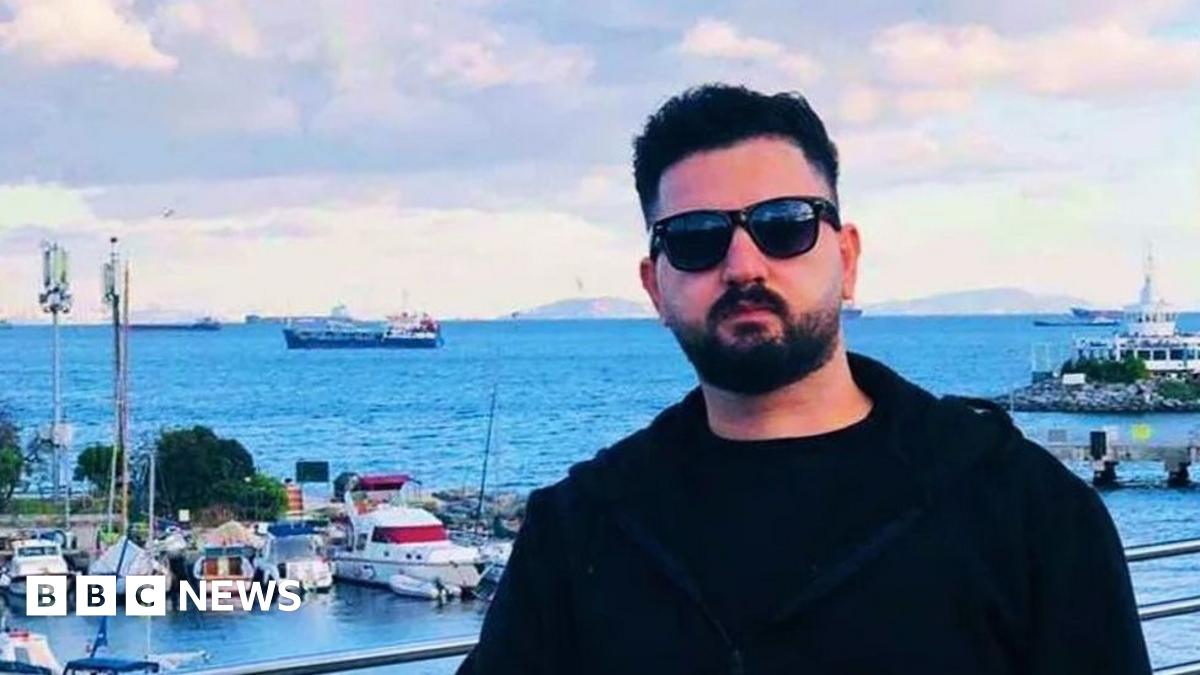
In the murky depths of international human trafficking, where desperation meets exploitation, a name has emerged from the shadows: 'Kardo Ranya'. This alias, used by a 28-year-old Iraqi Kurd, has long been whispered among intelligence agencies and migrant communities as belonging to a pivotal figure in the illicit trade of human lives across the English Channel. A recent BBC investigation has painstakingly unmasked this individual, revealing the intricate web of operations and the chilling scale of his alleged involvement in orchestrating the perilous small boat crossings that have become a defining humanitarian and political crisis for the UK and France.
The unmasking of 'Kardo Ranya' represents a significant breakthrough in the relentless battle against organized crime networks that profit from human misery. For years, authorities have struggled to penetrate the highly adaptable and elusive groups responsible for facilitating these dangerous journeys. The individual, whose real identity remains protected due to ongoing investigations, is believed to be at the apex of a sophisticated smuggling operation, leveraging technology, clandestine routes, and a deep understanding of the vulnerabilities of those seeking a better life in Europe. His alleged network is not merely a collection of opportunistic individuals but a well-oiled machine, capable of moving hundreds, if not thousands, of people across one of the world's busiest shipping lanes.
The Scale of the Crisis and the Network's Modus Operandi
The sheer volume of crossings underscores the gravity of the situation. Between January 1 and May 8, 2026, a staggering 7,380 people undertook the treacherous journey across the English Channel in small boats from France. While this figure represents a 36% decrease compared to the same period the previous year, it still highlights a persistent and deeply concerning trend. These crossings are not random acts of desperation; they are meticulously planned and executed by networks like the one allegedly led by 'Kardo Ranya'.
The modus operandi of these networks is chillingly efficient. They often recruit vulnerable individuals in their home countries, promising safe passage and a new beginning in the UK. The journey is typically broken down into multiple stages, each controlled by different cells within the network, designed to minimize risk for the orchestrators and maximize profit. Migrants are often held in squalid conditions in northern France, awaiting the opportune moment – often dictated by weather conditions – to embark on the final, most dangerous leg of their journey. The fees charged are exorbitant, ranging from several thousand to tens of thousands of pounds per person, turning human hope into a lucrative commodity. The BBC investigation suggests that 'Kardo Ranya' played a crucial role in coordinating these final stages, arranging boats, engines, and navigating the complex logistics of evading law enforcement.
The Human Cost and International Implications
Beyond the statistics and the criminal enterprise lies an immense human cost. The small boats used are often overcrowded, ill-equipped, and piloted by individuals with little to no maritime experience, leading to numerous capsizing incidents, hypothermia, and tragically, deaths. The Channel, with its strong currents, cold waters, and heavy shipping traffic, is an unforgiving environment. For the migrants, many of whom are fleeing conflict, persecution, or extreme poverty, these journeys represent a desperate gamble for survival and dignity. The unmasking of a key figure like 'Kardo Ranya' offers a glimmer of hope for disrupting these operations, but it also highlights the profound ethical dilemma faced by nations grappling with irregular migration.
The implications extend far beyond the immediate humanitarian crisis. The existence of such sophisticated networks poses significant challenges to national security, border control, and international cooperation. Governments on both sides of the Channel, particularly the UK and France, have invested heavily in surveillance, patrols, and intelligence gathering, yet the problem persists. The revelation of 'Kardo Ranya's' identity and methods will undoubtedly inform future strategies, emphasizing the need for a multi-pronged approach that includes:
* Enhanced Intelligence Sharing: Closer collaboration between national and international law enforcement agencies. * Disruption of Financial Flows: Targeting the illicit financial networks that enable these operations. * International Partnerships: Working with countries of origin and transit to address the root causes of migration and dismantle smuggling routes further upstream. * Public Awareness Campaigns: Educating potential migrants about the dangers and risks involved.
The Elusive Nature of Smuggling Rings
One of the primary reasons figures like 'Kardo Ranya' can operate with relative impunity for so long is the highly decentralized and adaptive nature of human smuggling rings. They often leverage encrypted communication channels, operate across multiple jurisdictions, and employ a network of low-level operatives who are easily replaced if caught. The use of aliases, as in 'Kardo Ranya's' case, is a common tactic to evade identification and arrest, making investigations incredibly challenging and protracted. These networks are not static; they evolve constantly, adapting to new enforcement measures and finding new routes or methods.
Furthermore, the desperation of migrants often makes them unwilling or unable to cooperate with authorities, fearing repercussions for themselves or their families, or simply distrusting official channels. This creates a wall of silence that protects the higher echelons of the smuggling hierarchy. The BBC's success in identifying 'Kardo Ranya' likely involved extensive undercover work, forensic analysis of digital footprints, and painstaking intelligence gathering, demonstrating the dedication required to penetrate these secretive organizations.
Moving Forward: A Global Challenge
The unmasking of 'Kardo Ranya' is a victory in the ongoing fight against human trafficking, but it is by no means the end of the war. As long as there is demand for irregular migration and individuals willing to exploit that demand, new figures will emerge to fill the void left by those apprehended. The Channel crisis is a microcosm of a larger global phenomenon, driven by geopolitical instability, economic disparities, and climate change, pushing millions to seek refuge and opportunity beyond their borders.
Addressing this complex issue requires a holistic and sustained international effort. It necessitates not only robust law enforcement actions to dismantle smuggling networks but also comprehensive policies that address the root causes of migration, provide safe and legal pathways for asylum seekers and migrants, and foster greater international cooperation on burden-sharing. The story of 'Kardo Ranya' serves as a stark reminder of the shadowy forces at play and the urgent need for collective action to protect the most vulnerable among us, transforming a crisis of desperation into a pathway of dignity and hope. The journey to truly dismantle these networks is long and arduous, but every unmasking brings us closer to a more humane and just world.
Stay Informed
Get the world's most important stories delivered to your inbox.
No spam, unsubscribe anytime.
Comments
No comments yet. Be the first to share your thoughts!