US Aid to Zambia Under Scrutiny: Rubio's Alleged Link to Copper Mines Sparks Outcry
Three Democratic senators are raising alarms over Senator Marco Rubio's reported push to link life-saving health aid to Zambia with US access to the nation's critical copper resources. This alleged strategy, revealed by State Department officials, suggests a transactional approach to foreign policy, prioritizing economic interests over humanitarian concerns. Critics warn that such a move could undermine global health initiatives and strain diplomatic relations with African nations, setting a concerning precedent for international aid.
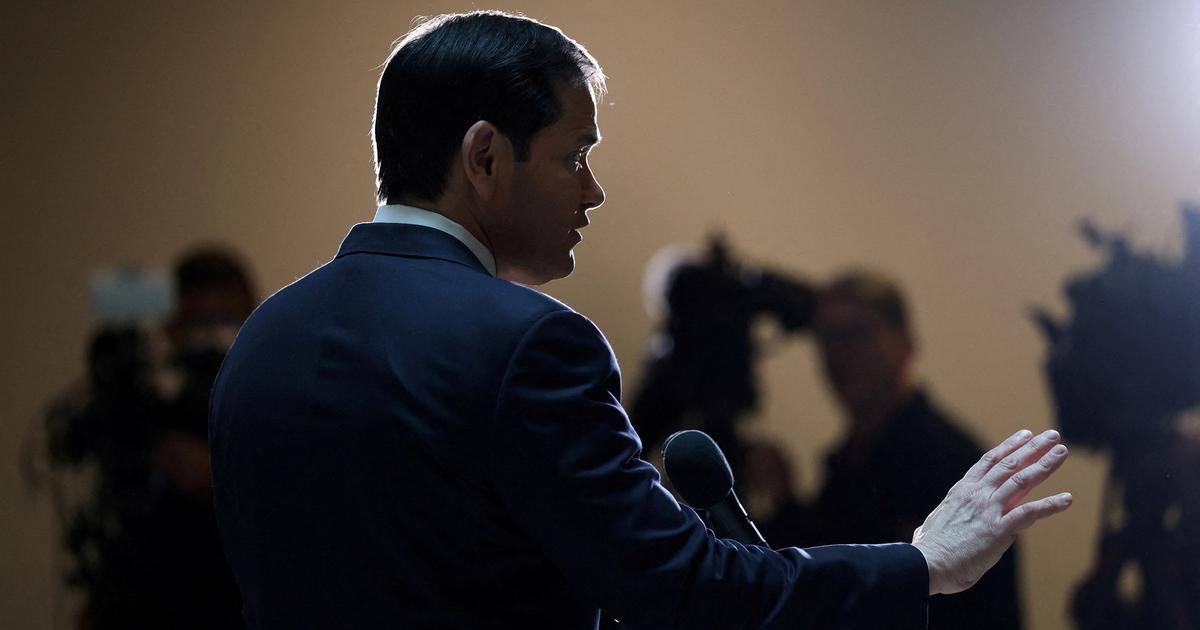
In a development sending ripples through Washington D.C. and beyond, three prominent Democratic senators have voiced serious concerns regarding Senator Marco Rubio's alleged efforts to condition vital health aid to Zambia on the United States gaining preferential access to the African nation's rich copper mines. This reported strategy, which State Department officials have reportedly shared with congressional aides, suggests a stark shift in foreign policy, potentially prioritizing strategic economic interests over humanitarian imperatives.
At the heart of the controversy is the assertion that Senator Rubio believes "every dollar spent should be in the interest of the United States," with the implicit understanding that life-saving aid to Zambia would be contingent upon economic concessions related to its substantial copper reserves. This approach has ignited a fierce debate about the ethics and efficacy of foreign assistance, particularly in a region grappling with significant health challenges and striving for economic self-determination.
The Geopolitical Chessboard: Copper's Strategic Importance
Zambia, a landlocked nation in Southern Africa, is the continent's second-largest copper producer, a metal deemed critical for the global energy transition. Copper is indispensable for electric vehicles, renewable energy infrastructure, and advanced electronics, making it a highly sought-after commodity amidst increasing global demand and geopolitical competition. Nations like China have long recognized and invested heavily in Africa's mineral wealth, securing supply chains for their burgeoning industries. The United States, seeking to diversify its critical mineral supply and reduce reliance on adversaries, has recently intensified its focus on African resources.
This renewed American interest in African minerals, while understandable from a strategic standpoint, risks being perceived as neo-colonial if not handled with extreme diplomatic care. The alleged move by Senator Rubio, if confirmed, could be interpreted as leveraging humanitarian aid – a cornerstone of international development and soft power – as a bargaining chip for economic gain. Such a perception could severely damage the US's standing in Africa, where memories of historical exploitation linger and nations are increasingly asserting their sovereignty and demanding equitable partnerships.
Humanitarian Aid or Economic Leverage?
The notion of conditioning health aid on economic concessions raises profound ethical questions. Humanitarian assistance, by its very definition, is intended to alleviate suffering, promote well-being, and support development, often without explicit quid pro quo. Zambia, like many developing nations, relies on international aid to combat diseases such as HIV/AIDS, malaria, and tuberculosis, and to strengthen its healthcare infrastructure. Tying this life-saving support to access to natural resources could undermine the fundamental principles of humanitarianism and create a dangerous precedent.
Critics argue that such a policy could transform aid from an instrument of compassion and development into a tool of economic coercion. This could force recipient nations into difficult choices between their public health needs and their sovereign control over natural resources. Moreover, it risks alienating potential partners and pushing them towards other global powers, such as China, which often offer infrastructure development and investment without explicit political or economic conditions on aid.
Congressional Concerns and Diplomatic Fallout
The three Democratic senators – whose names have not yet been publicly disclosed but are described as deeply concerned – have reportedly been informed by State Department officials about Rubio's alleged stance. This internal communication suggests that the issue is being discussed at high levels within the US government, indicating the gravity of the situation. Their concerns highlight a potential rift within US foreign policy circles regarding the approach to African engagement.
The diplomatic fallout from such a policy could be significant. African nations, increasingly unified under the African Union, have consistently advocated for partnerships based on mutual respect and shared benefits, not conditional aid. Imposing such conditions could be seen as an affront to their sovereignty and an attempt to dictate their economic policies. It could also jeopardize the progress made in recent years to rebuild trust and strengthen ties between the US and various African countries, particularly as the US seeks to counter growing Chinese and Russian influence on the continent.
Furthermore, this approach could weaken the effectiveness of US aid programs. If aid is perceived as self-serving rather than genuinely altruistic, its impact on public opinion and its ability to foster goodwill could diminish. It might also lead to resentment and resistance from recipient governments, potentially hindering the very development goals the aid is ostensibly designed to achieve.
Historical Context and Future Implications
The idea of linking aid to resource access is not entirely new, but its explicit application to life-saving health aid represents a particularly contentious escalation. Historically, resource-rich developing nations have often found themselves in unequal bargaining positions with powerful external actors. The post-colonial era has seen many African countries strive to break free from such dependencies and assert greater control over their natural endowments.
If Senator Rubio's reported position gains traction, it could signal a broader shift in US foreign policy towards a more transactional and less values-driven approach. This would have far-reaching implications for global health initiatives, international development, and the US's role as a global leader. It could also embolden other nations to adopt similar conditional aid strategies, further complicating the landscape of international cooperation.
For Zambia, a nation that has been working to diversify its economy and improve governance, such pressure could undermine its efforts. While the country undoubtedly seeks investment and economic partnerships, the manner in which these are pursued is crucial. A policy that appears to exploit humanitarian needs for resource access risks destabilizing the very nations it purports to help, fostering resentment rather than genuine partnership.
Moving Forward: A Call for Principled Engagement
The concerns raised by the Democratic senators underscore the urgent need for a nuanced and principled approach to US foreign policy in Africa. While securing critical mineral supply chains is a legitimate strategic interest, it must not come at the expense of humanitarian values or diplomatic integrity. A truly effective and sustainable engagement strategy would involve fostering genuine partnerships, supporting good governance, promoting fair trade, and providing aid based on need, not as a bargaining chip.
Ultimately, the controversy surrounding Senator Rubio's alleged stance serves as a critical reminder of the delicate balance between national interests and global responsibilities. The international community, and particularly the United States, must carefully consider the long-term consequences of policies that could erode trust, undermine humanitarian efforts, and potentially destabilize vital regions in the pursuit of economic advantage. The future of US-Africa relations, and indeed the principles of global aid, hang in the balance, demanding a re-evaluation of priorities and a commitment to ethical engagement.
Stay Informed
Get the world's most important stories delivered to your inbox.
No spam, unsubscribe anytime.
Comments
No comments yet. Be the first to share your thoughts!