US Escalates Trade Pressure on South Africa with New Investigation
The United States has launched a fresh investigation into South Africa's trade practices, signaling a potential escalation of its tariff strategy. This move comes a year after the controversial "Liberation Day" tariffs, raising concerns about the future of bilateral trade relations and South Africa's economic stability.
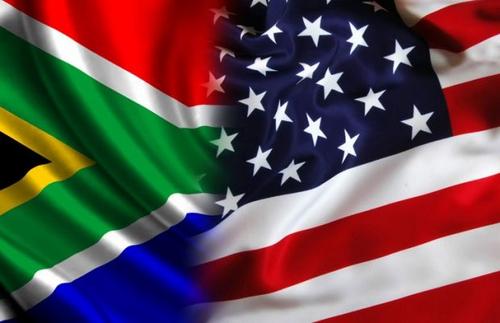
Just when South Africa might have hoped to navigate calmer waters after a year of contentious trade relations with the United States, a new storm appears to be brewing. Washington has initiated a fresh investigation into the Southern African nation, a move that could pave the way for additional tariffs and further strain an already delicate economic partnership.
This latest development follows the implementation of the US's "Liberation Day" tariffs, which were rolled out a year ago and sparked significant debate within global trade circles. While the specifics of the new investigation remain under wraps, analysts suggest it likely targets specific sectors or alleged unfair trade practices, echoing previous concerns raised by the Biden administration regarding South Africa's alignment on international issues and its economic policies.
The implications for South Africa are substantial. The nation's economy, still grappling with high unemployment, energy crises, and the lingering effects of the global pandemic, relies heavily on its trade relationships, particularly with major partners like the US. Increased tariffs could severely impact key export industries, leading to job losses and reduced foreign exchange earnings. Sectors such as agriculture, automotive components, and beneficiated minerals, which have historically been sensitive to trade fluctuations, could face renewed pressure.
From the US perspective, this aggressive stance is consistent with a broader strategy of using trade policy as a tool for geopolitical influence and protecting domestic industries. The Biden administration, much like its predecessor, has shown a willingness to deploy tariffs to address perceived imbalances or to pressure countries into aligning with American foreign policy objectives. The timing of this investigation is also noteworthy, occurring amidst a complex global economic landscape marked by supply chain disruptions, inflationary pressures, and heightened geopolitical tensions.
Experts from the World Trade Organization (WTO) and various international trade bodies are closely monitoring the situation. The potential for a prolonged trade dispute between two significant economies could have ripple effects across regional and global supply chains. South Africa, as a key player in the African Continental Free Trade Area (AfCFTA), also faces the challenge of balancing its continental commitments with its bilateral trade relationships.
Pretoria's response will be critical. Historically, South Africa has sought to engage in diplomatic dialogue to resolve trade disputes, often leveraging its position within multilateral forums. However, the persistent nature of these US investigations suggests a need for a more robust and perhaps diversified trade strategy. The government may need to explore new markets, strengthen regional trade ties, and potentially review its own trade policies to mitigate the impact of potential US sanctions.
As the investigation unfolds, businesses on both sides of the Atlantic will be watching closely. The outcome will not only shape the future of US-South Africa trade but also send a clear signal about the direction of global trade policy in an increasingly protectionist era. The pressure on South Africa is undeniable, and how it navigates this latest challenge will be a defining moment for its economic sovereignty and international standing.