US Halts Hormuz Escorts Amidst Iran Tensions, Pursues Diplomatic Path
The United States has unexpectedly paused its escort of commercial ships through the Strait of Hormuz, a move announced by President Donald Trump just a day after the operation began. This decision signals a strategic shift, prioritizing de-escalation and a potential peace deal with Iran amidst heightened regional tensions. The abrupt change underscores the complex geopolitical calculus at play in the vital Persian Gulf waterway, leaving allies and adversaries alike to ponder the implications for maritime security and future negotiations.
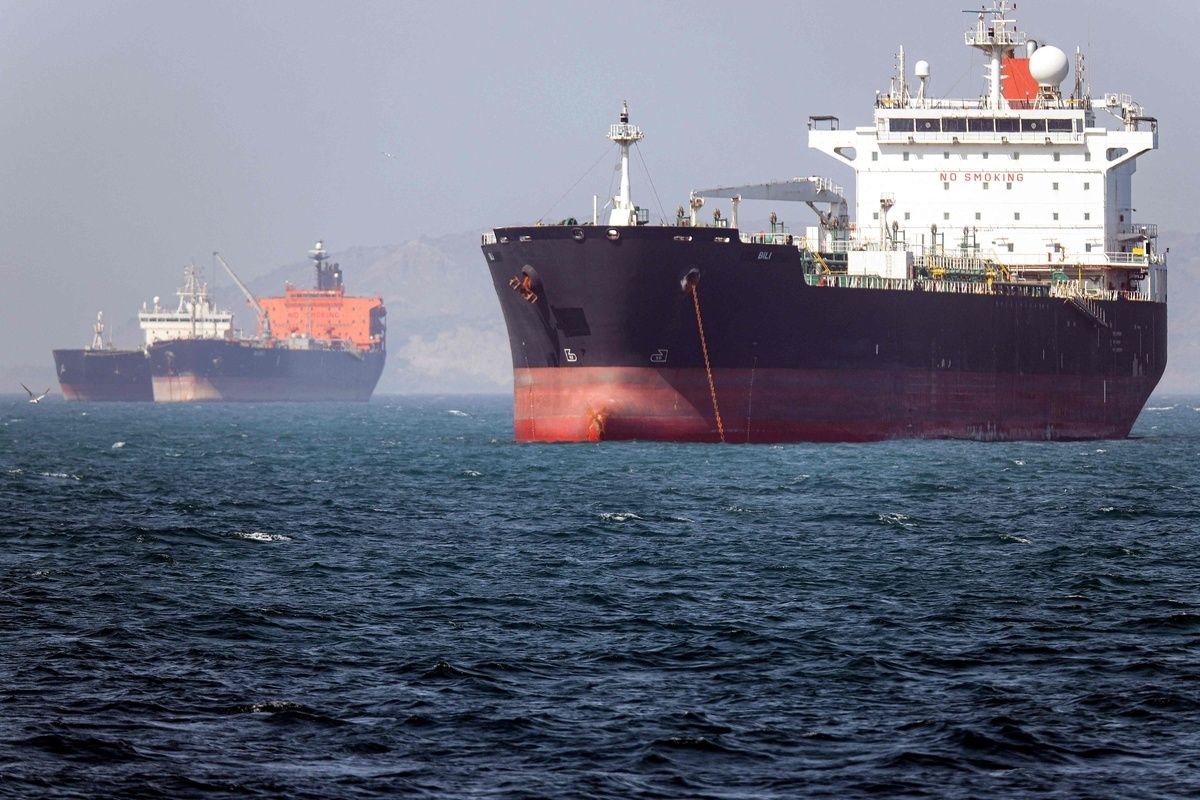
The strategic waters of the Strait of Hormuz, a narrow choke point through which a fifth of the world's oil supply passes, have once again become the epicenter of a high-stakes geopolitical drama. In an unexpected turn, the United States announced a pause in its mission to escort commercial vessels through this critical waterway, a decision made barely a day after the operation commenced. President Donald Trump cited a desire to pursue a peace deal with Iran as the primary driver behind this abrupt policy shift, sending ripples of uncertainty and speculation across global capitals.
This move comes against a backdrop of escalating tensions between Washington and Tehran, marked by a series of incidents including attacks on oil tankers, drone shoot-downs, and a significant build-up of military presence in the region. The initial deployment of escorts was ostensibly a response to these threats, aimed at safeguarding international shipping. Its sudden cessation, therefore, raises profound questions about the coherence of US foreign policy, the efficacy of its regional alliances, and the true prospects for a diplomatic breakthrough with Iran.
A Diplomatic Gambit or Strategic Retreat?
The decision to halt escorts can be interpreted in multiple ways. On one hand, it aligns with President Trump's stated preference for diplomacy over military confrontation, a recurring theme in his administration's approach to complex international challenges. By de-escalating military posturing, the US might be signaling a genuine willingness to create space for negotiations, perhaps hoping to entice Iran back to the bargaining table without the perceived pressure of immediate military threat. This could be a calculated risk, aiming to lower the temperature in a region perpetually on the brink.
However, critics argue that such a move could be perceived as a sign of weakness or inconsistency, potentially emboldening Iran and its proxies. The rapid reversal of policy, from deploying escorts to withdrawing them, could undermine the credibility of US commitments to its allies in the Gulf, who rely on American military presence for their security. Furthermore, it leaves commercial shipping vulnerable, potentially exposing the global economy to further disruptions if attacks resume or intensify. The Strait of Hormuz is not just a shipping lane; it's a barometer of regional stability, and any perceived vacuum in security could invite further destabilization.
The Geopolitical Chessboard: Iran's Perspective
From Tehran's vantage point, the US decision might be seen as a partial victory, a testament to its resilience in the face of maximum pressure. Iran has consistently rejected US sanctions and military threats, insisting that its actions in the Gulf are defensive and aimed at protecting its sovereignty. The pause in escorts could be interpreted as the US blinking first, an acknowledgment that military solutions are fraught with peril and that a diplomatic path is inevitable.
Iran's leadership has repeatedly called for a regional security framework, emphasizing that the security of the Gulf should be managed by Gulf states themselves, without external interference. While the US withdrawal of escorts doesn't fully align with this vision, it might be seen as a step towards reducing the foreign military footprint. However, Iran's fundamental demands – relief from sanctions and a return to the Joint Comprehensive Plan of Action (JCPOA), the 2015 nuclear deal – remain unmet. Any genuine peace deal would likely require significant concessions from both sides, and it's unclear if the current US administration is prepared for such a comprehensive negotiation.
Allies on Edge: Gulf States and International Shipping
The immediate impact of the US decision is felt most acutely by its regional allies, particularly Saudi Arabia and the United Arab Emirates, who have been vocal in their concerns about Iranian aggression. These nations have invested heavily in their own defense capabilities but still rely on the broader security umbrella provided by the US. The sudden withdrawal of escorts could leave them feeling exposed and uncertain about the reliability of their primary security partner. This could prompt them to reassess their own strategies, potentially leading to increased self-reliance or even a cautious engagement with Iran, albeit from a position of perceived weakness.
For international shipping companies, the situation is even more precarious. The Strait of Hormuz is a non-negotiable route for many, and the absence of a clear security guarantor increases the risk premiums and operational costs. Insurers are likely to raise rates, and some companies might consider rerouting vessels, though alternative paths are often longer, more expensive, and not always feasible. The global oil market, highly sensitive to disruptions in the Gulf, will be watching closely, with any further incidents having the potential to trigger significant price volatility. The International Maritime Organization (IMO) has repeatedly called for de-escalation and guaranteed safe passage, highlighting the global economic stakes involved.
The Path Forward: Diplomacy's Thorny Road
The path to a lasting peace deal between the US and Iran is fraught with immense challenges. Decades of mistrust, ideological differences, and a complex web of regional proxy conflicts have created a deeply entrenched animosity. For negotiations to succeed, several key hurdles must be overcome:
* Trust Deficit: Both sides view each other with deep suspicion. Rebuilding trust will require consistent, good-faith efforts and verifiable commitments. * Sanctions Relief vs. Nuclear Program: Iran demands the lifting of crippling sanctions as a prerequisite for any new deal, while the US insists on broader concessions regarding Iran's nuclear program, ballistic missiles, and regional activities. * Regional Security: Any comprehensive agreement would need to address the broader security concerns of Gulf states and Israel, which are deeply wary of Iran's influence. * Domestic Politics: Both leaders face domestic pressures that could either facilitate or derail diplomatic efforts. In the US, the upcoming election cycle adds another layer of complexity.
The pause in Hormuz escorts, while seemingly a tactical withdrawal, might be the opening gambit in a much larger diplomatic game. It signals a shift away from immediate military confrontation, but whether it paves the way for genuine dialogue or merely creates a temporary lull before the next storm remains to be seen. The coming weeks will be crucial in determining if this bold move by the US administration will yield the desired peace or inadvertently lead to further instability in one of the world's most volatile regions. The eyes of the world are now fixed on Washington and Tehran, awaiting the next chapter in this unfolding geopolitical saga.
Stay Informed
Get the world's most important stories delivered to your inbox.
No spam, unsubscribe anytime.
Comments
No comments yet. Be the first to share your thoughts!