US Sanctions Chinese Firms Over Iran Drone Links: Escalation or Strategic Leverage?
The United States has imposed new sanctions on a network of Chinese and Hong Kong-linked entities, accusing them of facilitating Iran's acquisition of drone materials and missile components. This move intensifies pressure on Beijing and Tehran, raising questions about its timing and effectiveness as a diplomatic tool. Analysts debate whether these sanctions are a calculated effort to gain leverage or a counterproductive escalation in US-China relations.
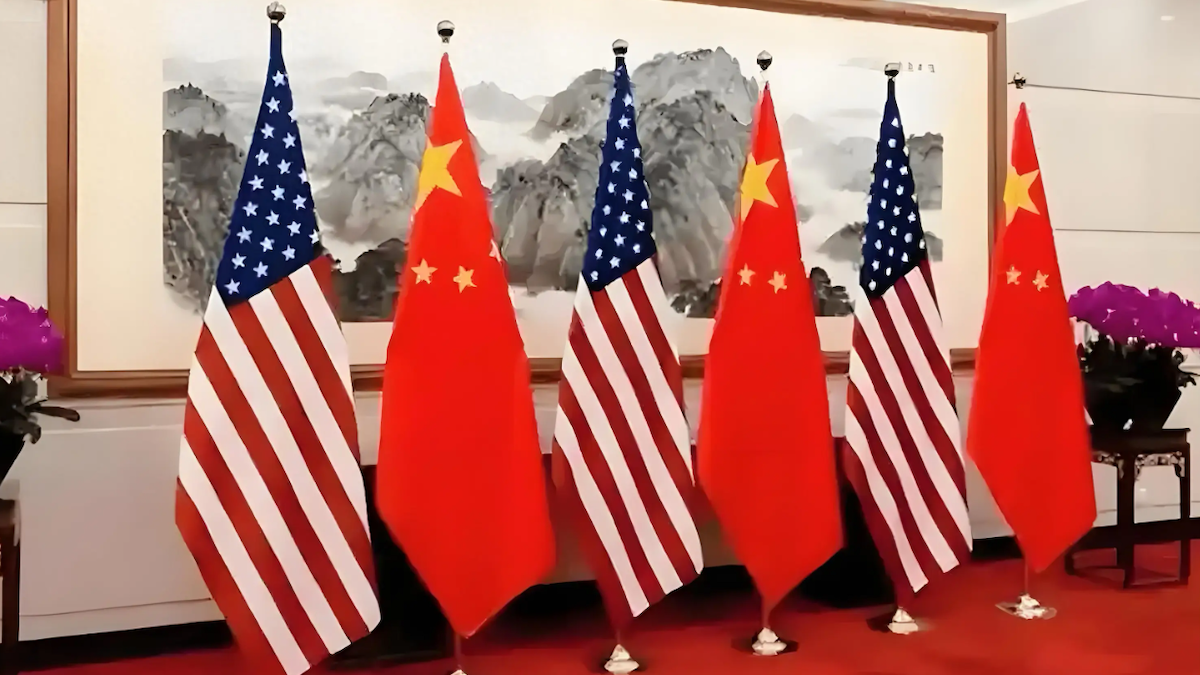
In a significant move that reverberated across global financial and diplomatic circles, the United States recently announced a fresh round of sanctions targeting a network of mainland China- and Hong Kong-linked companies and individuals. The accusation is grave: these entities are alleged to have played a crucial role in assisting Iran in securing vital materials for its advanced drone program and missile-related components. This development, coming just days before a potential high-stakes encounter between US President Donald Trump and his Chinese counterpart, Xi Jinping, has ignited a fervent debate among international relations experts and policymakers. Is this a shrewd strategic maneuver designed to exert maximum leverage, or a perilous overreach that risks further destabilizing an already fragile global geopolitical landscape?
The Anatomy of the Sanctions: Who and What?
The US Treasury Department's Office of Foreign Assets Control (OFAC) spearheaded these new punitive measures, identifying several entities and individuals. While specific names are often withheld for operational security or ongoing investigations, the broad strokes indicate a focus on procurement networks that allegedly funnel dual-use technologies and components to Iran. These are materials that can have both civilian and military applications, making their control and monitoring particularly challenging. The sanctions typically involve freezing assets under US jurisdiction, prohibiting US persons and entities from engaging in transactions with the designated parties, and potentially cutting off access to the international financial system. The stated objective is to disrupt Iran's ability to develop and proliferate advanced weaponry, particularly unmanned aerial vehicles (UAVs) which have been increasingly deployed by Tehran and its proxies in regional conflicts, from Yemen to the Red Sea.
The timing of these sanctions is particularly noteworthy. They land amidst a complex tapestry of US-China relations already strained by trade disputes, technological rivalry, and differing stances on human rights and regional security. For Beijing, the accusation of aiding Iran's military ambitions touches a raw nerve, as China often portrays itself as a responsible global actor. For Washington, it underscores a persistent concern about Iran's nuclear program and its destabilizing activities in the Middle East, with Chinese involvement seen as directly undermining US foreign policy objectives.
Historical Context: A Pattern of Pressure
US sanctions against entities facilitating Iran's weapons programs are not a new phenomenon. Over decades, successive US administrations, both Republican and Democratic, have employed economic pressure as a primary tool to curb Iran's nuclear and ballistic missile ambitions. The Iran Nuclear Deal (JCPOA), signed in 2015, offered a temporary reprieve from some sanctions in exchange for limits on Iran's nuclear activities. However, the Trump administration's withdrawal from the JCPOA in 2018 marked a return to a
Stay Informed
Get the world's most important stories delivered to your inbox.
No spam, unsubscribe anytime.
Comments
No comments yet. Be the first to share your thoughts!