Viral AI Hoax: Unpacking the 'Rats from Truck' Video and the Hantavirus Scare
A fabricated video, likely generated by advanced AI, showing rats pouring from a truck has gone viral, falsely linked to a hantavirus outbreak. This incident highlights a growing concern over AI-generated misinformation, especially when tied to public health fears. Experts warn about the increasing sophistication of synthetic media and the urgent need for digital literacy to combat its spread, urging critical evaluation of online content.
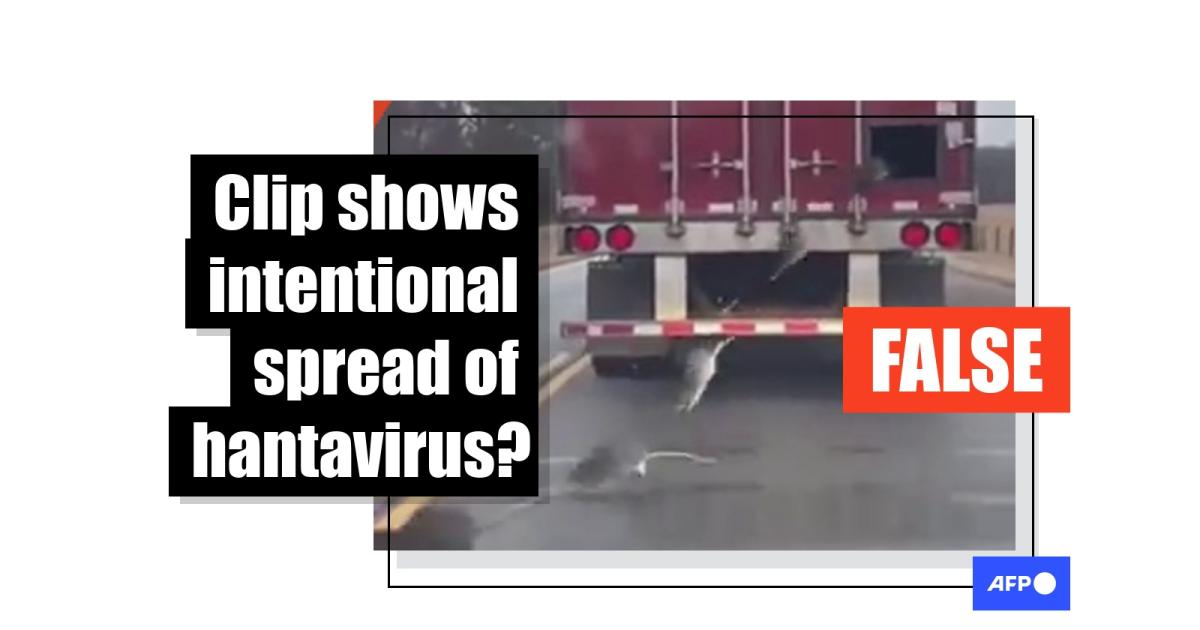
In an era increasingly defined by digital illusions, a recent viral video has sent shivers down the spines of millions, igniting widespread panic and fueling dangerous conspiracy theories. The clip, depicting what appears to be dozens of rats erupting from a moving semi-trailer at highway speeds, has been widely circulated across social media platforms like X, TikTok, and Facebook. Accompanying these shares are sensational claims linking the footage to the deliberate spread of the deadly hantavirus, particularly against the backdrop of a reported May 2026 outbreak on a cruise ship. However, a closer look, spearheaded by analyses from organizations like AFP, reveals a far more insidious truth: the video is a sophisticated fabrication, likely a product of advanced artificial intelligence, specifically pointing to tools like OpenAI's Sora 2.
This incident is not merely a fleeting moment of online sensationalism; it represents a critical juncture in the ongoing battle against misinformation and disinformation, amplified by the rapidly evolving capabilities of generative AI. The ease with which such compelling, yet entirely false, narratives can be created and disseminated poses a significant threat to public trust, health, and societal stability. As the lines between reality and simulation blur, understanding the mechanics of these hoaxes and their profound implications becomes paramount.
The Anatomy of an AI-Generated Hoax
The video in question, described by some as resembling a 'horror movie,' shows an impossible scenario: a torrent of rodents seemingly 'exploding' from a hole in a truck. While visually striking, several tell-tale signs betray its artificial origins. Early versions of similar clips began circulating as far back as March, suggesting a pattern of iterative development or refinement of the AI model used. Experts in digital forensics often look for inconsistencies in lighting, physics, repetitive patterns, or unnatural movements that betray AI generation. In this case, the sheer volume and coordinated 'explosion' of rats defy natural behavior and typical environmental conditions. Furthermore, the rapid dissemination of such content, often without credible sources or accompanying verifiable news reports, is a hallmark of viral misinformation campaigns.
Generative AI models, particularly those focused on video synthesis like Sora, are designed to create highly realistic moving images from text prompts. While their potential for creative expression and legitimate applications is immense, their misuse presents a formidable challenge. The ability to craft compelling visual narratives that are entirely divorced from reality means that almost any scenario, no matter how outlandish, can be rendered believable enough to fool an unsuspecting public. This particular hoax leverages primal fears – disease, rodents, and deliberate harm – making it exceptionally potent and difficult to dismiss for those without critical media literacy skills.
Hantavirus: Reality vs. Fabrication
The link to hantavirus is particularly alarming and underscores the dangerous interplay between real-world concerns and fabricated content. Hantavirus Pulmonary Syndrome (HPS) is a severe, sometimes fatal, respiratory disease in humans caused by hantaviruses. It is primarily transmitted to people when they breathe in air contaminated with the virus from the urine, droppings, or saliva of infected rodents, typically deer mice in North America. Human-to-human transmission is rare, and the idea of deliberately spreading it via truckloads of rats is not only scientifically unfounded but also logistically improbable on a large scale.
The mention of a 'May 2026 outbreak' on a cruise ship further complicates the narrative. While cruise ships have faced various health crises, including viral outbreaks, the specific details of this hantavirus claim lack any credible corroboration from public health organizations like the CDC or WHO. This temporal specificity, coupled with a dramatic event, is often used in misinformation to lend an air of authenticity to an otherwise baseless claim. The fear of outbreaks, especially in confined spaces like cruise ships, is a potent trigger for public anxiety, making it a fertile ground for such hoaxes to take root.
The Broader Implications: Erosion of Trust and Public Health Risks
The proliferation of AI-generated misinformation carries profound implications for society. Firstly, it erodes public trust in traditional media, scientific institutions, and even governmental bodies. When people are constantly exposed to convincing but false narratives, it becomes increasingly difficult for them to discern truth from fiction, leading to cynicism and a reluctance to believe even legitimate information, especially during crises. This 'infodemic' can have devastating consequences, as seen during the COVID-19 pandemic where vaccine misinformation directly impacted public health outcomes.
Secondly, these hoaxes can incite unnecessary panic and social unrest. The idea of a deliberate biological attack, even if based on a fabricated video, can lead to fear-driven behaviors, discrimination, and even violence. The psychological toll of living in an environment saturated with such threats is also considerable.
Thirdly, the incident highlights the urgent need for enhanced digital literacy across all demographics. As AI tools become more accessible and sophisticated, individuals must be equipped with the skills to critically evaluate online content, verify sources, and understand the mechanisms of synthetic media. Educational initiatives, fact-checking organizations, and social media platforms all have a crucial role to play in this endeavor.
Combating the AI Misinformation Tsunami
Addressing the challenge of AI-generated misinformation requires a multi-faceted approach:
* Technological Solutions: Developing AI tools that can detect synthetic media (deepfakes) and watermarking AI-generated content can help flag potentially fabricated material. However, this is an arms race, as detection methods often lag behind generation capabilities. * Platform Responsibility: Social media companies must invest more in content moderation, implement stricter policies against misinformation, and provide clear labels for AI-generated content. Their algorithms, which often prioritize engagement, inadvertently contribute to the rapid spread of sensational hoaxes. * Media Literacy Education: Integrating critical thinking and digital literacy into educational curricula from an early age is vital. Teaching individuals how to identify unreliable sources, cross-reference information, and understand the motivations behind misinformation campaigns empowers them to be more discerning consumers of news. * Fact-Checking and Journalism: Robust, independent journalism and dedicated fact-checking organizations remain indispensable. Their role in debunking false claims and providing accurate, verified information is more critical than ever. * Public Awareness Campaigns: Governments and public health organizations need to proactively educate the public about emerging threats from AI-generated content and provide trusted channels for information during crises.
The viral 'rats from truck' video serves as a stark reminder of the evolving landscape of information and the profound challenges posed by advanced AI. It underscores that while technology offers incredible advancements, it also demands a heightened sense of vigilance and responsibility from both creators and consumers. As we move further into the age of artificial intelligence, the ability to distinguish between reality and hyper-realistic fiction will be a defining skill, essential for navigating a world where truth can be as easily manufactured as it is discovered.
Stay Informed
Get the world's most important stories delivered to your inbox.
No spam, unsubscribe anytime.
Comments
No comments yet. Be the first to share your thoughts!