Viral 'White Shirt Guy' Incident: Derek Jones Sues Police Over Alleged Assault at Sydney Protest
Derek Jones, dubbed the 'white shirt guy' after a viral video, is suing New South Wales Police, alleging assault during a protest against Israeli President Isaac Herzog in Sydney. The 56-year-old finance professional claims he suffered two broken ribs and other injuries due to excessive force. This incident has ignited a fierce debate about police conduct, freedom of speech, and the handling of public demonstrations, drawing international attention to Australia's protest laws.
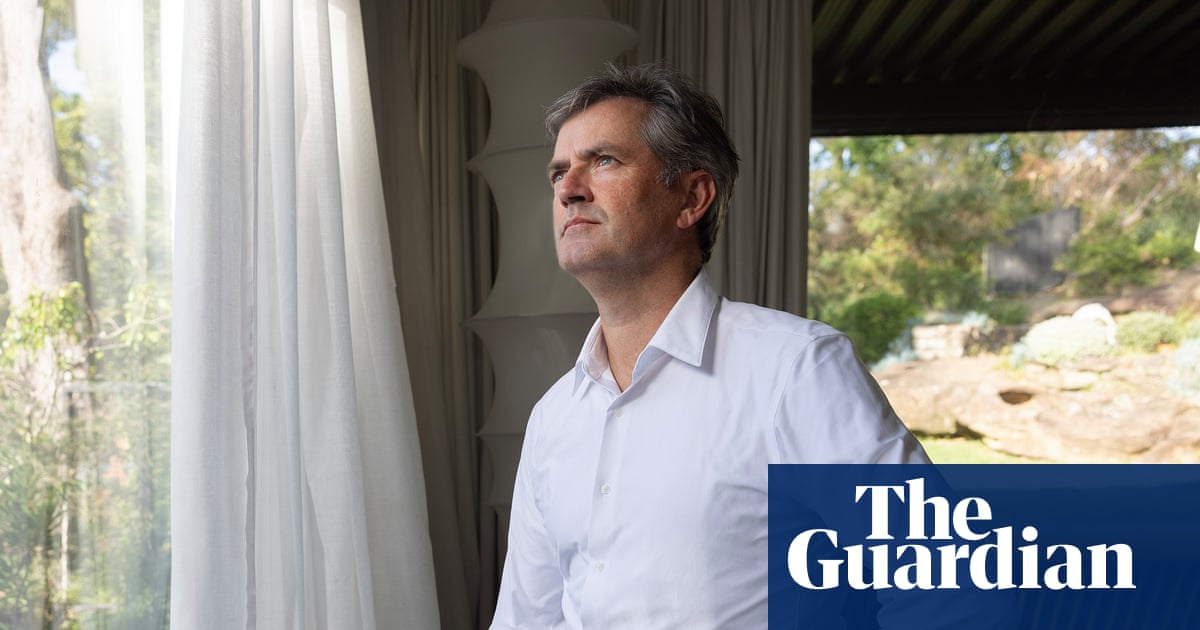
The image was stark: a man in a ripped white business shirt, clutching his side, his face a mixture of shock and pain. This was Derek Jones, 56, a finance professional from Manly, Sydney, and the unwitting star of a viral video that captured a chaotic moment at a protest against Israeli President Isaac Herzog. What began as a demonstration on February 25, 2024, quickly escalated for Jones, who now claims he was assaulted by police, suffering two broken ribs and other injuries. His decision to sue the New South Wales Police Force has ignited a firestorm of debate, casting a harsh spotlight on police conduct during public assemblies and the delicate balance between maintaining order and protecting civil liberties.
Jones’s account, detailed in a recent exclusive, paints a picture of disproportionate force. He asserts that he was attempting to de-escalate a confrontation between protestors and police when he was allegedly shoved, thrown to the ground, and kneed in the ribs. The incident, captured by multiple bystanders, quickly circulated online, turning Jones into a symbol for those critical of police tactics. The video, which Jones himself saw on the ferry home, confirmed his worst fears: his injuries were not accidental byproducts of a volatile crowd, but allegedly the result of direct police action. This case transcends a mere personal grievance; it has become a flashpoint in a broader conversation about protest rights and police accountability in democratic societies.
The Day of the Protest: A Scene of Escalation
The protest itself was organized by pro-Palestinian groups to voice opposition to Israeli President Isaac Herzog's visit to Sydney. Such demonstrations are often charged with intense emotion, and the presence of high-profile international figures invariably draws significant police deployment. On this particular day, the atmosphere was reportedly tense from the outset. Eyewitnesses describe a large crowd, passionate but largely peaceful, confronting a robust police presence. The line between legitimate protest and public disturbance can be thin, and it is in this volatile space that incidents like Jones's often occur.
Jones, who describes himself as a concerned citizen rather than a seasoned activist, found himself caught in the fray. His claim that he was trying to mediate a situation, attempting to prevent further conflict, is central to his narrative. He reportedly stepped forward, hands raised, in an effort to calm tensions, only to be met with what he describes as an aggressive response from officers. The viral footage, while not showing every second of the alleged assault, does depict a chaotic scene where Jones is on the ground, surrounded by officers, before being led away in a visibly distressed state. The contrast between Jones's seemingly benign intentions and the alleged police reaction is what has resonated with many viewers, fueling public outrage and calls for a thorough investigation.
Legal Ramifications and Police Accountability
Derek Jones's decision to pursue legal action against the NSW Police Force is a significant development. Suing a police force is a complex and often arduous process, requiring substantial evidence and legal expertise. Jones has reportedly engaged a legal team, and his case will likely hinge on the interpretation of the video evidence, eyewitness testimonies, and expert analysis of police procedures. The legal battle will not only seek compensation for his injuries but also aim to establish accountability for what he perceives as a violation of his rights.
Historically, cases against police forces for alleged excessive force have a mixed record. While some plaintiffs have achieved success, establishing police misconduct can be challenging due to the inherent difficulties in proving intent and the legal protections afforded to officers in the line of duty. However, the proliferation of smartphone cameras has dramatically altered the landscape. Viral videos now provide a powerful, often irrefutable, form of evidence that can sway public opinion and influence legal outcomes. This case will test the extent to which such visual evidence can hold law enforcement accountable in Australia.
Broader Implications for Protest Rights and Public Order
This incident extends beyond the immediate parties involved, raising fundamental questions about the right to protest and the role of police in managing dissent. In democratic societies, the freedom of assembly and speech are cornerstones of civil liberty. However, these rights are not absolute and are often balanced against the need to maintain public order and safety. The Sydney protest, like many others globally, highlights the tension inherent in this balance.
Critics argue that an overly aggressive police response can stifle legitimate protest, creating a chilling effect on public participation in political discourse. Conversely, law enforcement agencies often contend with the challenges of managing large, unpredictable crowds, sometimes facing hostile elements. The United Nations Human Rights Committee has emphasized that restrictions on the right to peaceful assembly must be necessary and proportionate. This case will undoubtedly contribute to the ongoing debate about whether Australian police protocols align with international human rights standards, particularly concerning the use of force during protests. The outcome could set a precedent for how future demonstrations are policed and how allegations of misconduct are handled.
Furthermore, the incident has drawn international attention, reflecting a global trend where citizen journalism and social media play a crucial role in documenting and disseminating events that might otherwise go unnoticed. The 'white shirt guy' video has been shared across continents, sparking discussions in various languages and contexts about police brutality and the right to protest. This global scrutiny adds another layer of pressure on the NSW Police and the Australian legal system to ensure transparency and justice.
Moving Forward: A Call for Transparency and Dialogue
As Derek Jones prepares for his legal battle, the focus remains on justice and accountability. Regardless of the specific legal outcome, the incident has already served as a powerful reminder of the ongoing need for robust oversight of law enforcement and clear guidelines for managing public demonstrations. It underscores the importance of de-escalation training for officers and the critical role of independent investigations into allegations of misconduct.
For the public, this case serves as a stark illustration of the potential risks involved in exercising the right to protest and the power of individual stories to ignite broader societal conversations. The 'white shirt guy' incident is more than just a personal tragedy for Derek Jones; it is a significant moment in Australia's ongoing dialogue about civil liberties, police powers, and the future of public dissent. The legal proceedings will be closely watched, not just by Australians, but by international observers keen to understand how a modern democracy navigates the complex terrain where protest meets policing. The hope is that this case, however painful, will ultimately lead to greater clarity, accountability, and a more respectful approach to managing public expression.
Stay Informed
Get the world's most important stories delivered to your inbox.
No spam, unsubscribe anytime.
Comments
No comments yet. Be the first to share your thoughts!