Wireless Soundbars: The Rebirth of Home Cinema or Just a Clever Rehash?
Wireless soundbar systems are rapidly dominating the home audio market, promising immersive surround sound without the clutter. But are these sleek setups truly innovative, or do they echo the 'home cinema in a box' trend of yesteryear? This deep dive explores the technology, market impact, and user experience, questioning whether convenience trumps audiophile purity.
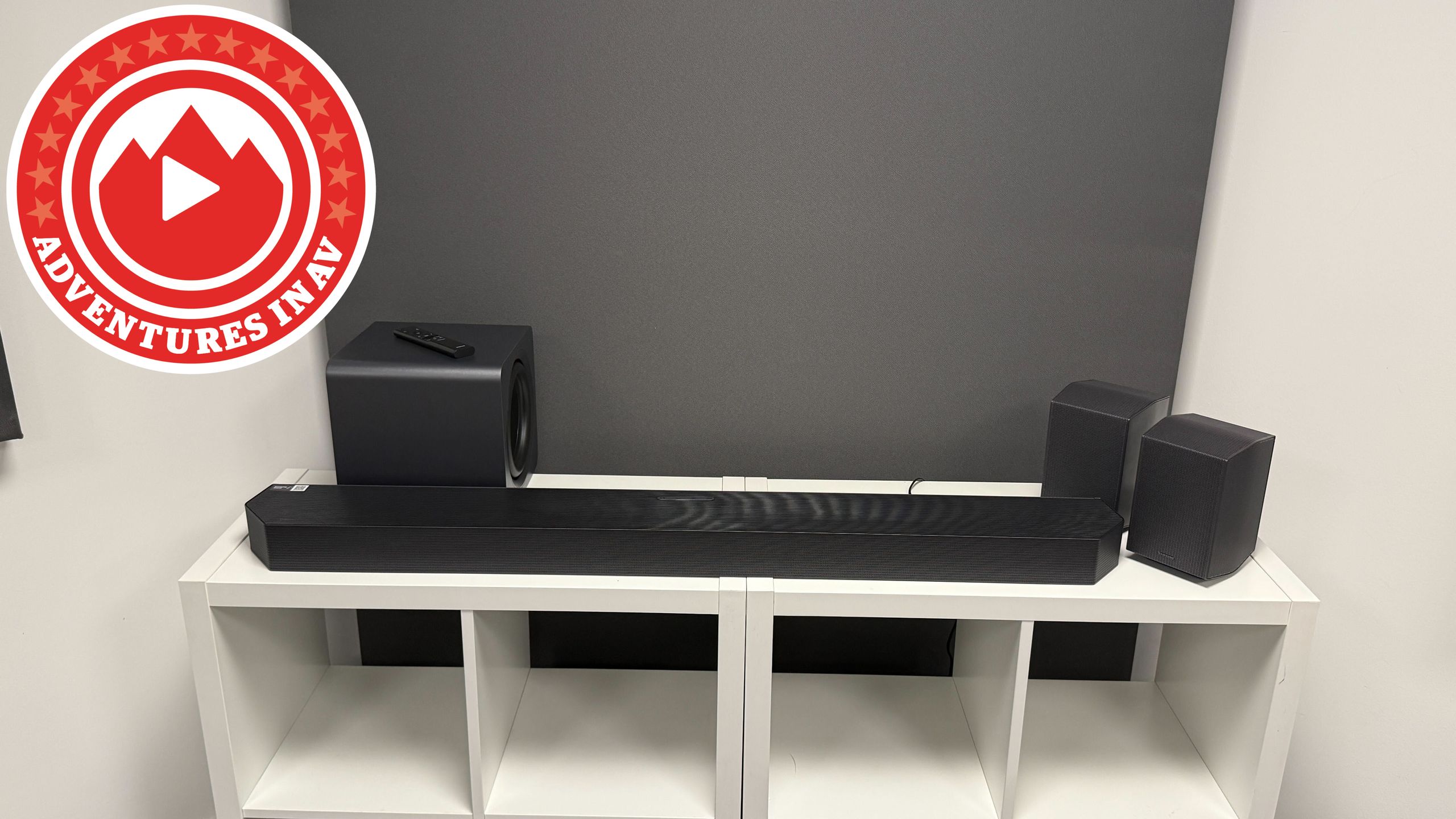
For years, the dream of cinematic sound at home was often accompanied by a nightmare of tangled cables, bulky receivers, and strategically placed speakers. Then came the 'home cinema in a box' systems, offering a simpler, albeit often compromised, solution. Now, a new contender has swept the market, promising the best of both worlds: wireless soundbar systems. From industry giants like Bose, with its recently unveiled Ultra series, to a myriad of other manufacturers, these systems are redefining how we experience audio in our living rooms. But are they a genuine evolution, or merely a more polished reinterpretation of past trends?
The Allure of Wireless Simplicity
The primary appeal of wireless soundbar systems is undeniable: simplicity. Traditional surround sound setups, while offering unparalleled audio fidelity and customization, demand a certain level of technical prowess and a significant commitment to installation. Running speaker wires, calibrating channels, and finding space for multiple components can be daunting. Wireless soundbars, often accompanied by a wireless subwoofer and sometimes wireless rear satellites, drastically reduce this complexity. The soundbar itself often acts as the central hub, connecting to your TV via a single HDMI eARC cable, while other components pair wirelessly, usually via dedicated low-latency radio frequencies or robust Wi-Fi protocols.
This plug-and-play convenience resonates deeply with modern consumers who prioritize aesthetics and ease of use. The minimalist design of most soundbars integrates seamlessly into contemporary living spaces, avoiding the visual clutter associated with traditional systems. Furthermore, advancements in audio processing, such as Dolby Atmos and DTS:X support, allow even compact soundbars to create a surprisingly expansive and three-dimensional soundstage, simulating height and depth channels without physical overhead speakers. This technological leap is crucial in differentiating them from their 'home cinema in a box' predecessors, which often relied on simpler, less sophisticated virtual surround techniques.
Echoes of the Past: 'Home Cinema In A Box' Revisited?
While the technology has undeniably advanced, the fundamental premise of a simplified, all-in-one home audio solution isn't new. The early 2000s saw the rise of 'home cinema in a box' (HCIB) systems. These typically comprised a DVD player/receiver unit, five small satellite speakers, and a passive subwoofer. They offered an affordable entry point into surround sound, but often at the cost of audio quality and upgradeability. The speakers were frequently plastic, the amplifiers underpowered, and the proprietary connectors limited future expansion.
The comparison to these HCIB systems is valid, but also highlights key distinctions. Modern wireless soundbars benefit from decades of audio engineering advancements. Digital signal processing (DSP) is far more sophisticated, enabling better soundstage creation and clearer dialogue. The quality of built-in drivers has improved dramatically, and the use of active, often powerful, wireless subwoofers delivers a much more impactful bass response. Moreover, the modular nature of many high-end wireless soundbar systems, allowing users to add rear speakers later, offers a flexibility that HCIB systems rarely did. Brands like Sonos, Bose, and Samsung are investing heavily in creating ecosystems where soundbars integrate seamlessly with other smart home devices and multi-room audio solutions, a concept far beyond the scope of older HCIB offerings.
The Performance Paradox: Convenience vs. Fidelity
Despite the technological strides, a critical debate persists among audiophiles: can a soundbar truly replicate the immersive experience of a dedicated, component-based surround sound system? The consensus often points to a performance paradox. While top-tier soundbars can deliver astonishingly good virtual surround and clear dialogue, they still operate within physical limitations. The separation and precise placement of discrete speakers in a traditional 5.1 or 7.1 setup inherently offer a more accurate and enveloping sound field. The soundstage is wider, the imaging more precise, and the dynamics often superior.
However, for the vast majority of consumers, the trade-off is more than acceptable. A recent survey by Statista indicated that convenience and ease of setup are paramount for home electronics purchases, often outweighing marginal differences in peak audio performance. The ability to achieve a very good surround experience with minimal fuss and footprint is a powerful selling point. Furthermore, the integration of smart features, voice assistants, and seamless streaming capabilities (e.g., AirPlay 2, Chromecast built-in) adds layers of functionality that traditional AV receivers often struggle to match in terms of user-friendliness.
The Future is Flexible and Connected
The trajectory for wireless soundbar systems appears bright. The market is projected to continue its robust growth, driven by ongoing innovation and increasing consumer demand for integrated, minimalist home entertainment solutions. We can anticipate further advancements in several key areas:
* Enhanced Spatial Audio: As formats like Dolby Atmos become standard, soundbars will leverage more sophisticated beamforming technology and up-firing drivers to create even more convincing three-dimensional soundscapes. * Seamless Integration: Expect deeper integration with smart home ecosystems, allowing soundbars to act as central audio hubs for entire homes, responding to voice commands and automating audio experiences. * Modular Expansion: The trend towards modularity will likely continue, offering users the ability to start with a basic soundbar and gradually add wireless rears, subwoofers, and even additional satellite speakers as their needs and budgets evolve. * Improved Wireless Performance: Continued refinement of wireless protocols will reduce latency, improve bandwidth, and ensure even more stable connections, further closing the gap with wired systems.
In conclusion, while wireless soundbar systems do share a conceptual lineage with the 'home cinema in a box' trend, labeling them as a mere rehash would be a disservice to the significant technological advancements they embody. They represent a sophisticated evolution, addressing the modern consumer's desire for high-quality audio that is both powerful and effortlessly integrated into their connected lives. They are not just a trend; they are a fundamental shift in how we approach home entertainment audio, prioritizing accessibility and aesthetic harmony without entirely sacrificing performance. The future of home cinema is undoubtedly wireless, flexible, and smarter than ever before.
Stay Informed
Get the world's most important stories delivered to your inbox.
No spam, unsubscribe anytime.
Comments
No comments yet. Be the first to share your thoughts!