Africa's Rising Manosphere: A Digital Tide of Misogyny Alarms Experts
A disturbing trend is emerging across Africa's digital landscape: the rapid growth of the 'manosphere,' a network of online influencers promoting misogynistic views under the guise of self-help. Experts are increasingly concerned about the potential societal impact as these ideologies gain traction, mirroring patterns seen in the West.
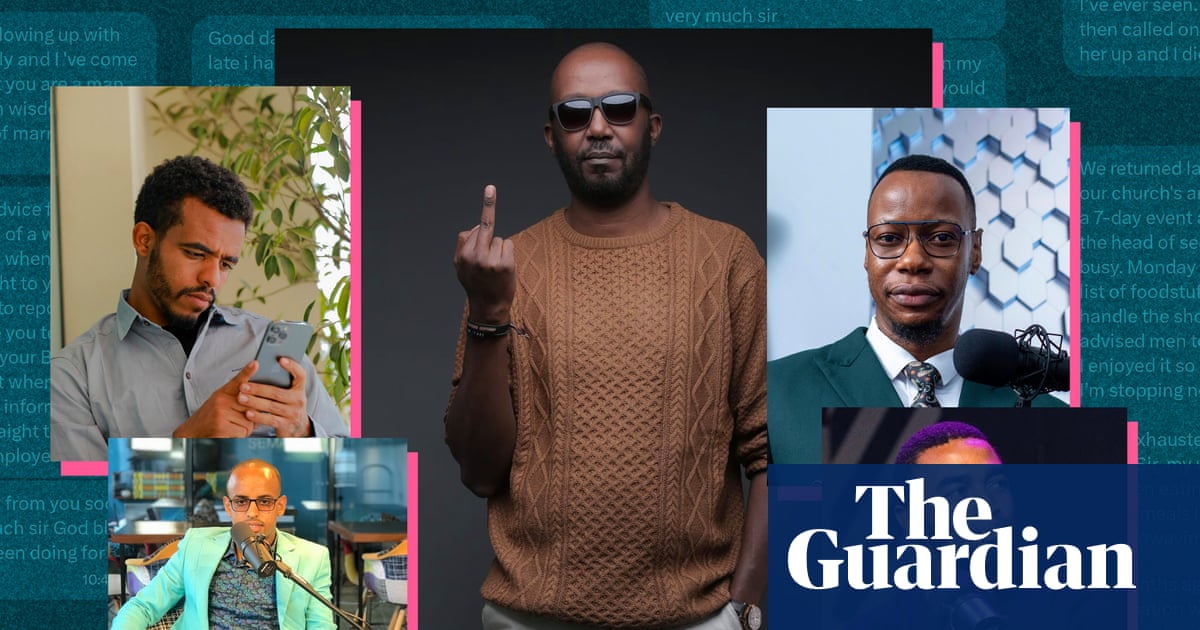
NAIROBI, Kenya – While the Western world grapples with the pervasive influence of figures like Andrew Tate and Myron Gaines, a parallel, equally concerning phenomenon is taking root across the African continent. The 'manosphere,' a loosely connected ecosystem of online communities and influencers propagating deeply misogynistic ideologies, is experiencing a significant surge, alarming experts and social commentators alike.
Traditionally associated with Western internet culture, the manosphere's expansion into Africa highlights the globalized nature of digital movements. What often begins as discussions around male self-improvement, financial success, or dating advice quickly devolves into narratives that demonize women, promote patriarchal dominance, and advocate for restrictive gender roles. These messages are frequently cloaked in the language of 'red pill' philosophy, a term borrowed from 'The Matrix' to signify an awakening to supposed societal truths about gender dynamics, which often translates into a belief in inherent female manipulation and male victimhood.
Researchers and sociologists are observing a distinct African flavor to this global trend. While the core tenets of misogyny remain, local influencers often adapt the rhetoric to resonate with specific cultural contexts, sometimes intertwining it with traditional values or interpretations of religious texts to lend it an air of legitimacy. This localization makes the content particularly insidious, as it can be perceived as an affirmation of existing social structures rather than a radical departure.
Platforms like TikTok, YouTube, and various messaging apps serve as fertile ground for these ideologies to spread. Short, punchy videos and easily shareable memes condense complex, often harmful, ideas into digestible formats, reaching millions of young men. The anonymity and perceived freedom of online spaces allow these influencers to operate with relative impunity, fostering communities where misogynistic views are normalized and reinforced.
The potential societal ramifications are profound. The normalization of derogatory terms like 'sluts' and 'simps,' coupled with body shaming and the promotion of transactional relationships, risks eroding progress made in gender equality. It can contribute to an increase in gender-based violence, undermine women's empowerment initiatives, and foster an environment where respectful male-female interactions are increasingly rare. Young men, often seeking guidance and a sense of belonging, can be particularly vulnerable to these narratives, which promise power, control, and success through the subjugation of women.
African governments and civil society organizations are now confronted with the urgent task of understanding and countering this digital tide. Strategies must include digital literacy programs to equip young people with critical thinking skills, promoting positive masculinity, and holding social media platforms accountable for content moderation. Ignoring the rise of the African manosphere would be to overlook a significant threat to social cohesion and gender justice on a continent already battling numerous developmental challenges.
The challenge is not merely to deplatform a few individuals but to address the underlying societal insecurities and inequalities that make such narratives appealing. A concerted effort involving educators, parents, community leaders, and policymakers is essential to foster a digital environment that promotes respect, equality, and genuine self-improvement, rather than one that breeds resentment and division.