American Airlines and Alaska Airlines: From Merger Talks to Revenue-Sharing Power Play on the West Coast
American Airlines and Alaska Airlines, once rumored to be exploring a merger, are now forging a deeper revenue-sharing alliance. This strategic move aims to bolster American's presence on the crucial West Coast market while expanding Alaska's global reach and loyalty program value. The partnership signifies a nuanced approach to airline consolidation, prioritizing mutual benefit over outright acquisition, and reshaping competitive dynamics.
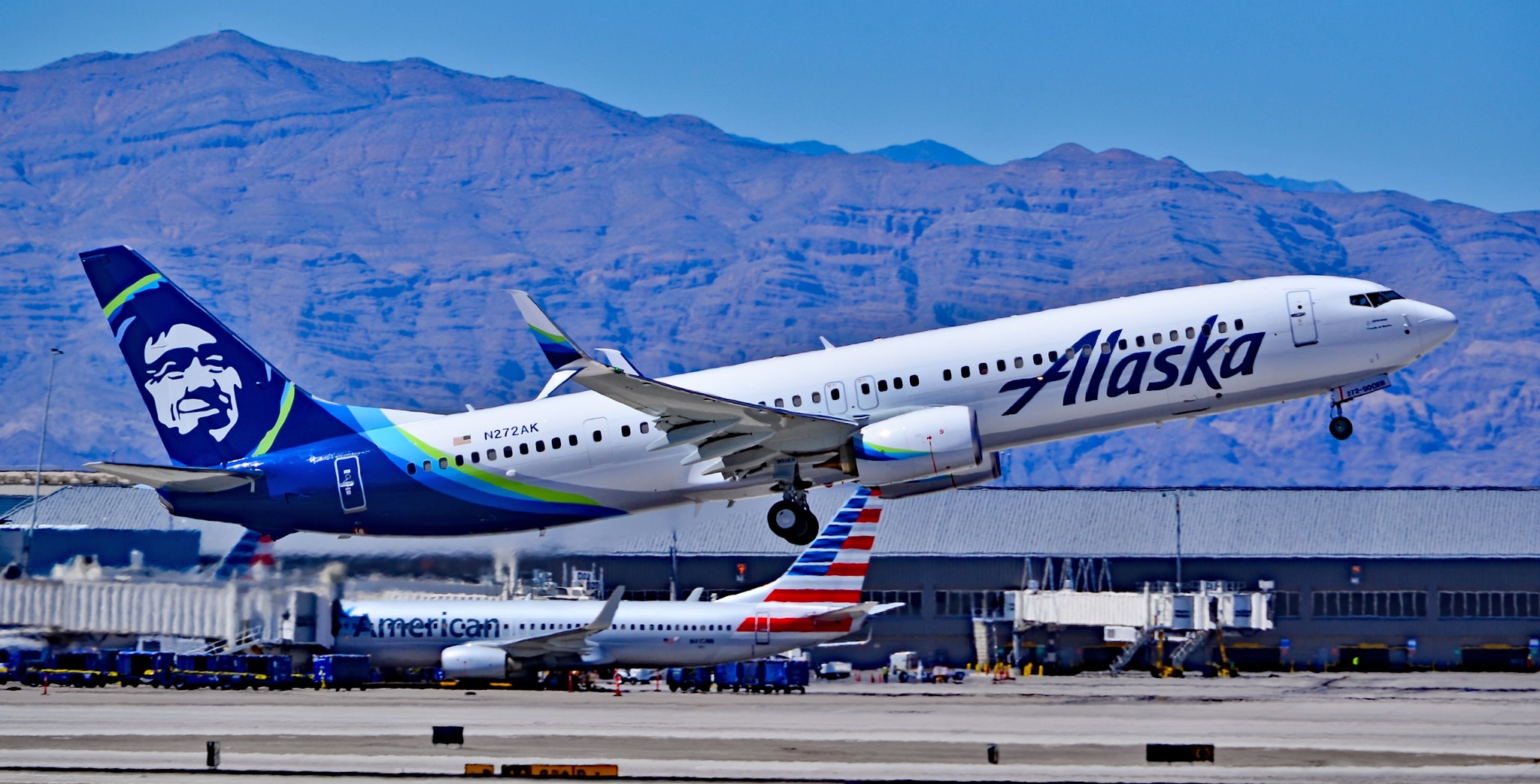
In the cutthroat world of airline economics, where alliances shift and mergers loom large, a recent development between American Airlines and Alaska Airlines offers a fascinating case study in strategic evolution. While initial whispers suggested a potential full-blown merger, those talks reportedly did not materialize. Instead, these two carriers are now cementing a revenue-sharing agreement, a move that promises to deepen an already unusually close partnership and redraw the competitive landscape, particularly on the vital U.S. West Coast.
The initial speculation around a merger between American and United, which American swiftly denied, inadvertently highlighted a crucial nuance: American was careful not to dismiss all forms of consolidation or partnership. This subtle distinction set the stage for the current discussions with Alaska, revealing a more sophisticated strategy than simple acquisition. For American, the imperative is clear: gain stronger, more relevant footing in the highly lucrative but fiercely contested West Coast market. For Alaska, the benefits are equally compelling: enhanced global reach, a more valuable loyalty program, and deeper integration into a larger international network without sacrificing its distinct brand identity.
The Strategic Imperative: Why the West Coast Matters for American
American Airlines, one of the world's largest carriers, has historically faced challenges in establishing a dominant presence on the U.S. West Coast. Unlike its rivals Delta and United, which have strong hubs in Seattle (Delta) and San Francisco/Los Angeles (United), American's West Coast operations have been somewhat fragmented. This geographic imbalance limits its ability to capture high-value business traffic and connect passengers efficiently to its extensive international network from this critical region.
The West Coast, particularly cities like Seattle, San Francisco, and Los Angeles, represents a nexus of high-tech industries, international trade, and tourism. It's a market characterized by affluent travelers, frequent business commuters, and a significant demand for both domestic and trans-Pacific routes. A robust West Coast presence is not just about market share; it's about network synergy, feed for long-haul flights, and ultimately, profitability. By deepening its ties with Alaska Airlines, American gains immediate, high-quality access to Alaska's extensive West Coast network, which includes strong footholds in Seattle, Portland, and California, effectively plugging a significant gap in American's strategic map.
Alaska Airlines: Leveraging Partnership for Global Reach and Loyalty
For Alaska Airlines, a carrier renowned for its strong customer service and dominant position in the Pacific Northwest, this revenue-sharing deal with American is a game-changer. While Alaska has a robust domestic network, its international reach is limited. Partnering with American, a founding member of the Oneworld alliance, instantly provides Alaska's passengers with seamless access to a vast global network, encompassing hundreds of destinations across six continents.
This expanded reach is not merely about new routes; it's about enhancing the value proposition of Alaska's Mileage Plan loyalty program. Passengers can now earn and redeem miles on a significantly broader array of flights, making the program far more attractive. This increased utility can drive greater customer loyalty and attract new passengers who value global connectivity. Furthermore, the partnership allows Alaska to maintain its operational independence and unique brand culture, which are highly valued by its customer base, while still reaping the benefits of a larger alliance. It's a strategic move that allows Alaska to play on a global stage without the complexities and financial burdens of operating its own long-haul international flights.
Revenue Sharing vs. Merger: A Nuanced Approach to Consolidation
The decision to pursue a revenue-sharing agreement rather than a full merger is a telling sign of the current airline industry landscape. Mergers are complex, costly, and fraught with regulatory hurdles, labor integration challenges, and potential brand dilution. A revenue-sharing deal, while still requiring significant coordination, offers a more agile and less disruptive path to achieving strategic objectives.
In a revenue-sharing model, both airlines agree to share the revenue generated from specific routes or networks, often pooling flights and coordinating schedules. This incentivizes both parties to work together to maximize passenger loads and yields, as they directly benefit from each other's success. This model allows American to leverage Alaska's operational expertise and brand strength on the West Coast, while Alaska benefits from American's global sales and marketing power. It's a symbiotic relationship that avoids the pitfalls of cultural clashes and operational redundancies often associated with outright mergers. This approach also sidesteps potential antitrust concerns that a merger between two significant carriers might raise, especially given the already consolidated nature of the U.S. airline market.
Implications for Passengers and the Competitive Landscape
The deepening partnership between American and Alaska will undoubtedly have significant implications for passengers. Travelers on the West Coast can expect more seamless connections to American's vast domestic and international network, potentially leading to more convenient itineraries and competitive pricing. For Alaska's loyal customers, the ability to earn and redeem miles on American's global flights represents a substantial upgrade to their travel experience.
From a competitive standpoint, this alliance strengthens American's hand against Delta and United on the West Coast. It creates a more formidable third force, potentially leading to increased competition and innovation in services and pricing. Other airlines, particularly those operating in the Pacific Rim, will need to closely watch this evolving dynamic. The partnership could also influence future alliance strategies, as carriers seek to replicate similar mutually beneficial arrangements without resorting to full mergers.
The Future of Airline Partnerships: A Blueprint for Collaboration
The American-Alaska revenue-sharing deal could serve as a blueprint for future airline collaborations. In an industry characterized by high fixed costs, intense competition, and volatile fuel prices, strategic partnerships offer a way to expand networks, reduce costs, and enhance customer offerings without the enormous capital expenditure and integration risks of mergers. This model allows airlines to maintain their distinct identities and operational efficiencies while gaining the benefits of scale and network breadth.
As the global travel market continues to evolve, driven by technological advancements and shifting consumer preferences, flexibility and adaptability will be key. The American-Alaska partnership demonstrates a sophisticated understanding of these dynamics, prioritizing strategic alignment and mutual growth over traditional consolidation. It's a clear signal that the future of airline expansion may lie less in outright acquisitions and more in intricately woven, mutually beneficial alliances that leverage each partner's strengths to create a more compelling and competitive offering for the global traveler. This strategic pivot could redefine how airlines approach market dominance and customer loyalty in the coming decade, setting a new standard for collaborative growth in a highly competitive sector.
Stay Informed
Get the world's most important stories delivered to your inbox.
No spam, unsubscribe anytime.
Comments
No comments yet. Be the first to share your thoughts!