SmartHomes, Smarter Care: Samsung's AI-Powered Elderly Monitoring Revolution
Samsung's latest SmartThings update is transforming elderly care, leveraging AI and ambient sensing across connected devices like robot vacuums and wearables. This innovative system offers proactive monitoring for falls and cognitive decline, providing unparalleled peace of mind for families. Discover how this technology is setting a new standard for independent living and remote care.
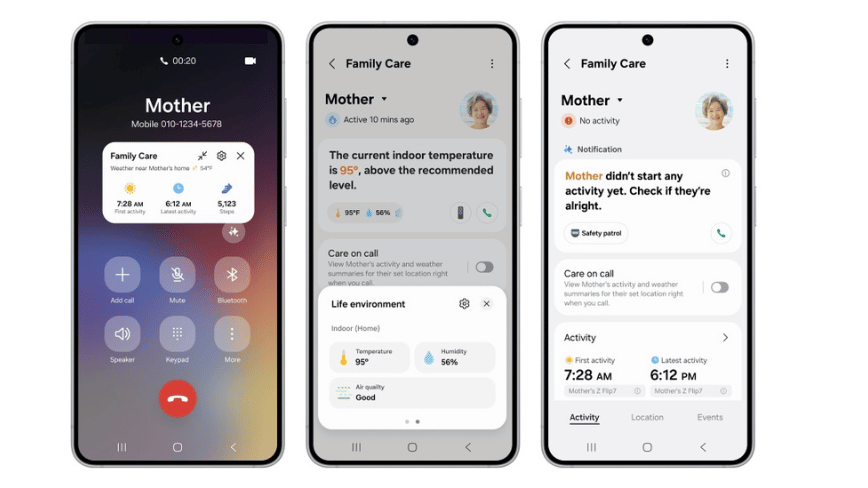
In an era where technological advancements are constantly reshaping our daily lives, a quiet revolution is unfolding within our homes, particularly for our aging loved ones. Samsung, a global leader in consumer electronics, has unveiled a groundbreaking update to its SmartThings platform, integrating sophisticated ambient sensing and artificial intelligence to offer an unprecedented level of elderly care monitoring. This isn't just about convenience; it's about extending independence, enhancing safety, and providing invaluable peace of mind to families navigating the complexities of elder care. The promise of a 'smart home' is finally maturing into a 'caring home,' where technology acts as a vigilant, non-intrusive guardian.
The Evolution of Elder Care: From Reactive to Proactive
For decades, elder care has largely been a reactive field, responding to incidents after they occur. Traditional methods often involve periodic check-ins, medical alert pendants, or, in more advanced cases, in-home caregivers. While essential, these approaches can sometimes fall short in providing continuous, nuanced oversight, especially for seniors who value their autonomy and wish to age in place. The digital age, however, has ushered in a new paradigm. Wearable technology, once a niche for fitness enthusiasts, has found a profound application in health monitoring. Smart appliances, initially designed for efficiency and comfort, are now being repurposed as silent sentinels. Samsung's SmartThings update represents a significant leap in this evolution, moving from simple automation to intelligent, predictive care.
The core of this innovation lies in its ability to collect and interpret data from a diverse ecosystem of connected devices. Imagine a robot vacuum cleaner, not just tidying your floors, but also using its camera to detect an unusual posture that might indicate a fall. Envision a smart refrigerator learning daily patterns of door openings, or a smart bed sensor tracking sleep quality and restlessness. These individual data points, when analyzed by advanced AI algorithms, paint a comprehensive picture of an individual's well-being, identifying subtle deviations that could signal a problem long before it becomes critical. This proactive approach allows caregivers to intervene early, potentially preventing serious injuries or mitigating the progression of cognitive issues.
Ambient Sensing and AI: The Invisible Guardians
At the heart of Samsung's new SmartThings features are ambient sensing and artificial intelligence. Ambient sensing refers to the ability of devices to gather information about their environment without explicit user interaction. This includes motion sensors, sound detectors, temperature gauges, and even the cameras on devices like robot vacuums. The genius of the SmartThings integration is how these disparate data streams are fed into a central AI engine. This AI is not merely programmed with rules; it learns. It establishes baselines for daily routines – when someone typically wakes up, eats, moves around, or goes to bed. Any significant departure from these learned patterns triggers an alert.
Consider the scenario of fall detection. While dedicated fall detection devices exist, they often rely on accelerometers worn on the body, which can be forgotten or misplaced. Samsung's approach leverages existing household devices. A robot vacuum's camera, for instance, can be configured to recognize a person lying motionless on the floor for an extended period. Similarly, a smart mat or bed sensor could detect an abrupt change in pressure or an absence from bed at an unusual hour. These multi-faceted detection methods enhance reliability and reduce false positives, ensuring that alerts are meaningful and timely.
Beyond immediate physical emergencies, the system also tackles the more insidious challenge of cognitive decline. Behavioral patterns are often early indicators of conditions like dementia or Alzheimer's. The SmartThings AI can monitor subtle changes in routine: an increasing number of trips to the bathroom at night, unusual sleep-wake cycles, or a significant decrease in activity levels. While not a diagnostic tool, these insights can prompt families to seek professional medical evaluation sooner, potentially leading to earlier intervention and better management of the condition. The system aims to provide 'behavioral pattern analysis' to identify gradual shifts, offering a longitudinal view of a senior's health that is difficult to obtain through intermittent visits.
Privacy, Security, and Ethical Considerations
Any technology that delves into personal habits and health data inevitably raises questions about privacy and data security. Samsung is keenly aware of these concerns. The company emphasizes that the system is designed with privacy at its core, allowing users and their families to control what data is collected and shared. Data is often processed locally on devices or anonymized before being sent to the cloud. Furthermore, access to monitoring features is strictly controlled, requiring explicit consent from the senior and designated caregivers. This commitment to ethical deployment is crucial for widespread adoption and trust.
However, the discussion extends beyond technical safeguards. There's an ethical tightrope to walk between providing vigilant care and preserving an individual's autonomy and dignity. The technology should empower, not infantilize. It should be a tool for support, not surveillance. Open communication between seniors and their families about the purpose and benefits of such systems is paramount. The goal is to create a safety net, not a cage, allowing seniors to maintain their independence for as long as possible, knowing that help is available if needed.
The Future of Independent Living: A Holistic Ecosystem
Samsung's SmartThings update is more than just a new feature; it's a vision for the future of independent living. It demonstrates the power of a holistic, interconnected ecosystem where everyday objects become intelligent assistants. This approach contrasts sharply with fragmented solutions that require multiple, often incompatible, devices. By integrating monitoring capabilities directly into the SmartThings platform, Samsung is building a comprehensive, user-friendly system that can evolve with the needs of its users.
The implications are far-reaching. For families, it offers unprecedented peace of mind, reducing the constant worry about their elderly relatives. For seniors, it provides the confidence to continue living in their own homes, surrounded by familiar comforts, without feeling like a burden. For healthcare providers, it offers valuable data insights that can inform care plans and interventions. As the global population ages, solutions like SmartThings will become increasingly vital in managing the growing demand for elderly care, shifting the burden from constant human oversight to intelligent, automated assistance.
Looking ahead, we can anticipate further refinements and expansions of these capabilities. Imagine integration with telehealth services, predictive analytics for chronic disease management, or even personalized wellness recommendations based on daily activity and sleep patterns. The journey towards truly intelligent, compassionate homes has only just begun, and Samsung's SmartThings is leading the charge, proving that technology, when thoughtfully applied, can profoundly enhance the quality of life for our most vulnerable populations. It's a testament to how innovation can bridge the gap between independence and invaluable care, creating a future where aging gracefully is synonymous with living smartly.
Stay Informed
Get the world's most important stories delivered to your inbox.
No spam, unsubscribe anytime.
Comments
No comments yet. Be the first to share your thoughts!