Ancient Art, Modern Appeal: Chinese Shadow Puppetry's Digital Renaissance
In Xiaoyi, Shanxi province, the birthplace of Chinese shadow puppetry, artisans meticulously craft each puppet by hand, preserving a centuries-old tradition. This ancient art form is now experiencing a vibrant resurgence, finding new life and a global audience through digital platforms and creative adaptations. The 'shoucuo' phenomenon highlights a modern appreciation for handcrafted excellence, bridging the gap between historical heritage and contemporary cultural trends.
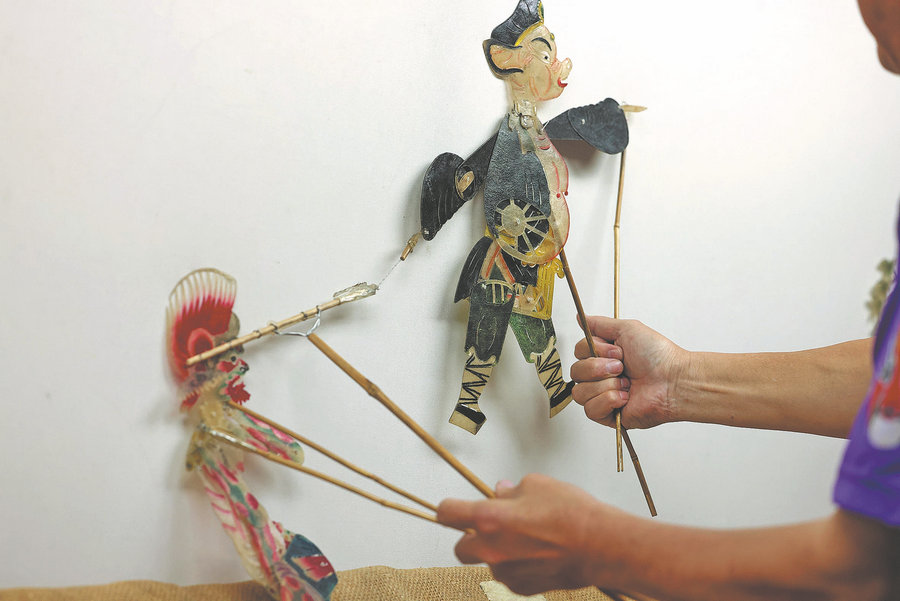
In the ancient city of Xiaoyi, nestled within China's Shanxi province, a profound cultural legacy continues to thrive against the backdrop of a rapidly modernizing world. This region, recognized as one of the earliest birthplaces of Chinese shadow puppetry, is a living testament to an art form that has enchanted audiences for over two millennia. Here, master artisans still engage in the painstaking, intricate process of creating every single puppet entirely by hand – from the careful selection of translucent animal hide to the delicate carving of intricate designs, the precise application of vibrant colors, and the meticulous stitching of segments. This dedication to shoucuo, a term that has recently gone viral on Chinese social media to describe things made with skillful, low-tech manual craftsmanship, underscores a burgeoning appreciation for authenticity and heritage in the digital age.
The Echoes of Emperors: A Rich History Reimagined
The origins of Chinese shadow puppetry, or Píyǐng Xì (皮影戏), are steeped in legend, often traced back to the Han Dynasty (206 BC – 220 AD). One popular tale recounts Emperor Wu of Han, grief-stricken by the death of his favorite concubine, being consoled by a magician who projected her silhouette onto a curtain, bringing her 'back to life' in a flickering dance of light and shadow. From these imperial courts, the art form spread, evolving into a sophisticated narrative medium that blended music, storytelling, and visual spectacle. Puppeteers, often itinerant, would travel from village to village, their portable stages illuminating tales of folklore, historical epics, and moral lessons, captivating audiences with their dexterity and vocal prowess. The puppets themselves are miniature masterpieces, typically made from donkey, ox, or sheepskin, meticulously carved to depict characters with expressive faces, elaborate costumes, and articulated limbs, allowing for a vast range of dramatic movement.
Over centuries, shadow puppetry endured dynastic changes, wars, and societal shifts, adapting its themes and styles while preserving its core essence. Each region developed its distinct characteristics, from the elaborate, multi-colored puppets of Sichuan to the more minimalist, stark silhouettes of northern China. However, like many traditional arts, shadow puppetry faced significant challenges in the 20th century, struggling to compete with modern entertainment forms like cinema and television. Many troupes dwindled, and the knowledge of intricate carving and performance techniques became increasingly endangered.
Shoucuo: A Modern Revival of Ancient Craftsmanship
The recent phenomenon of shoucuo (手搓) on Chinese social media has breathed new life into the narrative surrounding traditional crafts. What began as gaming slang for 'skillful manual play' has transformed into a cultural descriptor for anything made with exceptional handcraftsmanship and a low-tech approach. This trend reflects a growing counter-cultural movement against mass production and digital oversaturation, fostering a renewed respect for the human touch and the stories embedded within handmade objects. For shadow puppetry, this means a spotlight on the meticulous labor involved in its creation. Each puppet in Xiaoyi, for instance, undergoes a multi-stage process:
* Leather Selection: Only the finest, most translucent animal hides are chosen, often treated and stretched to achieve the perfect consistency. * Design and Drawing: Master artisans meticulously draw the character's outline, costumes, and intricate details directly onto the prepared leather. * Carving: This is perhaps the most delicate stage, where specialized knives are used to carve out the design, creating fine lines, patterns, and perforations that allow light to pass through, giving the puppets their ethereal quality. * Coloring: Natural pigments are applied to the carved leather, adding depth and visual appeal. The translucent nature of the leather allows these colors to glow when illuminated. * Assembly: Different body parts are then stitched together with fine threads, and control rods are attached, enabling the puppeteer to manipulate the figure with remarkable fluidity.
This painstaking process, taking days or even weeks for a single complex puppet, is a testament to the artisans' dedication. The shoucuo trend has helped younger generations understand and appreciate this profound level of craftsmanship, recognizing it not as an outdated practice but as a valuable, almost meditative, form of creation.
Adapting for the Digital Stage: From Shadows to Screens
The survival and resurgence of Chinese shadow puppetry are not solely reliant on traditional preservation; they are also a story of dynamic adaptation. Recognizing the need to reach new audiences, particularly younger demographics, puppetry troupes and cultural institutions have embraced digital platforms and innovative presentation methods. Social media, ironically, has become a powerful ally. Short videos showcasing the intricate carving process, behind-the-scenes glimpses of performances, and even modernized shadow puppet narratives are garnering millions of views on platforms like Douyin (TikTok) and Kuaishou.
Furthermore, creative adaptations are pushing the boundaries of the art form:
* Interactive Exhibitions: Museums and cultural centers are creating interactive displays where visitors can try their hand at manipulating puppets or even design their own digital shadow shows. * Cross-Media Collaborations: Shadow puppetry elements are being integrated into animated films, video games, and contemporary theatrical productions, introducing the aesthetic to a global audience in novel ways. * Educational Workshops: Schools and community centers are offering workshops, teaching children the basics of puppet making and performance, fostering a new generation of enthusiasts and practitioners. * Digital Storytelling: Some artists are experimenting with digital projections and computer-generated imagery to create hybrid performances that blend traditional techniques with cutting-edge technology, expanding the visual possibilities while retaining the essence of shadow play.
This blend of tradition and innovation is crucial. It ensures that while the core craftsmanship of shoucuo remains revered, the art form itself can evolve and remain relevant in a fast-paced world. The narrative themes are also expanding, moving beyond classical folklore to address contemporary issues, making the stories more relatable to modern audiences.
The Global Flicker: Implications for Cultural Heritage
The renewed global interest in Chinese shadow puppetry, spurred by its digital renaissance and the shoucuo movement, carries significant implications for cultural heritage preservation worldwide. It demonstrates that traditional arts are not static relics of the past but living, breathing entities capable of adaptation and reinvention. This model offers valuable lessons for other endangered cultural practices, highlighting the importance of:
* Digital Engagement: Leveraging social media and online platforms to document, promote, and share traditional arts with a wider audience. * Youth Involvement: Creating accessible entry points for younger generations to learn, participate in, and innovate within traditional crafts. * Creative Adaptation: Encouraging artists to experiment with new technologies and cross-disciplinary collaborations without compromising the art form's integrity. * Economic Viability: Supporting artisans and troupes to ensure that practicing these arts remains a sustainable livelihood.
As the delicate shadows continue to dance across screens and stages, Chinese shadow puppetry stands as a powerful reminder that true artistry, when nurtured and allowed to evolve, can transcend time and technology. It’s a testament to the enduring power of human creativity and the profound beauty found in the flicker of light and the stories it reveals. The future of this ancient art, illuminated by modern appreciation, appears brighter than ever, promising many more tales to be told in the captivating language of shadows.
Stay Informed
Get the world's most important stories delivered to your inbox.
No spam, unsubscribe anytime.
Comments
No comments yet. Be the first to share your thoughts!