Android's Quantum Leap: Unpacking the Hype Around Google I/O 2026's 'Biggest Year Yet'
Google is reportedly orchestrating its most ambitious Android Show to date, with the I/O 2026 Edition being teased as ushering in the "biggest year for Android yet." Industry insiders and tech enthusiasts are abuzz with speculation, following a cryptic, now-removed YouTube video that hinted at monumental reveals. This event is poised to redefine the mobile operating system, promising innovations that could reshape user experience, developer tools, and the very fabric of digital interaction. As the tech world holds its breath, the implications for consumers and the competitive landscape are immense.
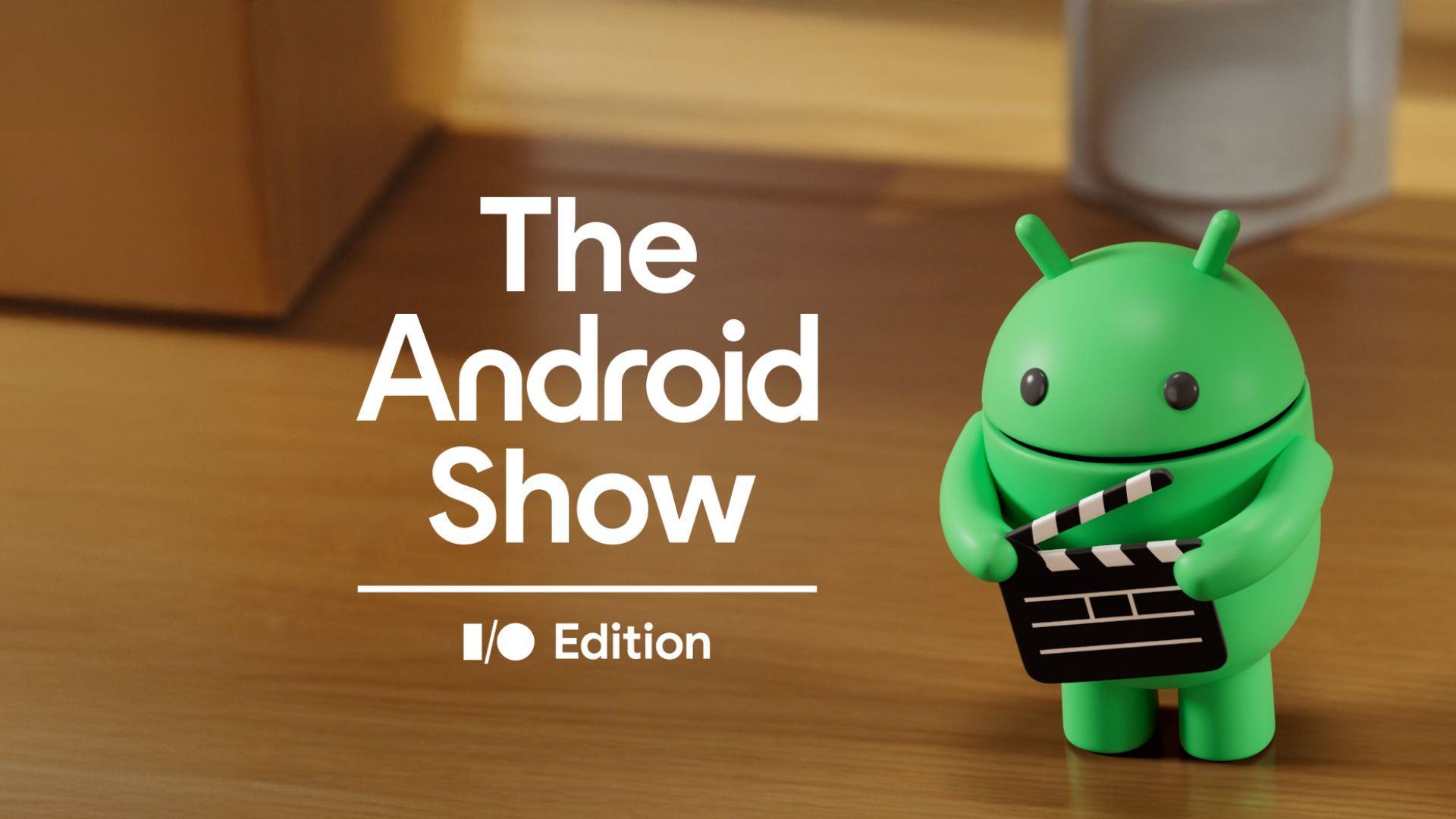
The digital world is collectively holding its breath. Google, a titan in the technology sphere, has inadvertently — or perhaps strategically — ignited a firestorm of speculation surrounding its upcoming Android Show: I/O 2026 Edition. A fleeting glimpse of a now-removed YouTube video, accompanied by a description boldly proclaiming this as the "biggest year for Android yet," has sent ripples through the tech community, hinting at a seismic shift in the mobile operating system landscape. This isn't just another incremental update; it’s being framed as a quantum leap, a moment poised to redefine how billions interact with their devices and the digital world.
The Genesis of Hype: A Calculated Leak or Genuine Slip?
The initial spark came from a brief, tantalizing teaser that quickly vanished from YouTube, leaving behind a trail of screenshots and fervent discussion. While Google has remained tight-lipped since the accidental reveal, the damage – or rather, the strategic seeding of anticipation – was done. The phrase "biggest year for Android yet" is not one to be used lightly by a company of Google's stature. It suggests not just a collection of new features, but a fundamental re-evaluation and perhaps a re-architecture of Android's core principles. This level of pre-event buzz is reminiscent of past industry-defining moments, from the launch of the original iPhone to the unveiling of groundbreaking AI models. For Android, an ecosystem that already dominates the global smartphone market with over 70% share, such a declaration implies an ambition that transcends mere market leadership.
Historically, Google I/O has served as the primary stage for showcasing Android's evolution. From the introduction of Material Design to the integration of AI capabilities, each I/O has built upon the last. However, the current language points to something more profound than typical annual refinements. It suggests a paradigm shift, possibly driven by advancements in artificial intelligence, augmented reality, or a completely novel approach to user interface and interaction. The removal of the video only amplified its message, turning a simple teaser into an enigmatic puzzle that the tech world is eager to solve.
Beyond the Smartphone: Android's Expanding Universe
While Android's roots are firmly planted in smartphones, its branches have spread far and wide, encompassing tablets, smartwatches (Wear OS), smart TVs (Android TV/Google TV), and even automotive infotainment systems (Android Auto). The "biggest year yet" likely extends beyond just the handheld experience. We could be looking at a unified Android ecosystem that seamlessly bridges these diverse form factors, offering a more cohesive and intuitive user journey across all devices. Imagine a world where your car, watch, and phone communicate with unprecedented fluidity, anticipating your needs and adapting to your context.
One significant area of potential innovation lies in cross-device continuity. Apple has long championed this with its ecosystem, and Google has been making strides with features like Fast Pair and Nearby Share. However, the I/O 2026 revelations could push this to an entirely new level, perhaps introducing a universal clipboard, integrated messaging across all Android devices, or even the ability to effortlessly hand off complex tasks from a phone to a tablet or a smart display. This would not only enhance user convenience but also solidify Android's position as the central nervous system of the connected home and personal life.
Furthermore, the burgeoning fields of foldable devices and mixed reality (MR) present fertile ground for Android's next evolution. With more manufacturers embracing flexible displays, Android needs to offer a robust and intuitive framework for these dynamic form factors. Similarly, as MR headsets become more prevalent, a specialized Android variant or deeply integrated services could position Google at the forefront of the spatial computing revolution, moving beyond the confines of a flat screen.
The AI Imperative: Smarter Than Ever Before
It's almost a given that Artificial Intelligence (AI) will be at the heart of any major Android overhaul. Google has been a pioneer in AI, from its search algorithms to its groundbreaking work with large language models (LLMs) like Gemini. The "biggest year yet" likely signifies a deeper, more pervasive integration of AI into the very fabric of Android, moving beyond discrete apps and into the operating system's core functionalities.
We could anticipate: * Proactive Assistance: An AI that doesn't just respond to commands but anticipates user needs, offering relevant information or actions before being asked. Think hyper-personalized notifications, intelligent task automation, and context-aware suggestions that learn and adapt over time. * Enhanced On-Device AI: Significant advancements in running complex AI models directly on the device, reducing reliance on cloud processing and improving privacy, speed, and offline capabilities. This could power more sophisticated image processing, real-time language translation, and advanced accessibility features. * Generative AI for Creation: Tools that allow users to generate content – from images and text to even code snippets – directly on their Android devices, democratizing creative power and opening new avenues for expression and productivity. * Privacy-Preserving AI: As AI becomes more integrated, Google will likely emphasize new frameworks and controls to ensure user data privacy remains paramount, building trust in these increasingly intelligent systems.
This AI-driven evolution could fundamentally change the user interface, making it more conversational and intuitive, moving away from traditional app icons towards a more dynamic, intent-based interaction model. The goal is likely to make Android feel less like a collection of applications and more like a truly intelligent personal assistant.
Developer Ecosystem and Competitive Landscape
For developers, a major Android update means new APIs, tools, and opportunities. The "biggest year yet" implies a significant investment in the developer ecosystem, providing them with the necessary resources to build the next generation of applications that leverage these new capabilities. This could include: * Simplified AI Integration: Easier ways for developers to incorporate Google's advanced AI models into their apps. * New UI Toolkits: Frameworks optimized for foldable devices, mixed reality, and adaptive interfaces. * Performance Enhancements: Tools to help developers create more efficient and responsive applications, especially crucial for on-device AI.
The competitive implications are also profound. Apple, with its tightly integrated hardware and software, has always been Android's primary rival. A truly transformative Android update could intensify this rivalry, pushing both companies to innovate at an even faster pace. Furthermore, it could influence the strategies of other tech giants like Samsung, Xiaomi, and even Microsoft, as they adapt their own ecosystems and hardware to Google's new vision. The battle for the future of mobile and pervasive computing is heating up, and Android I/O 2026 could be a pivotal moment in this ongoing saga.
The Road Ahead: Anticipation and Transformation
As the countdown to Google I/O 2026 begins, the tech world is ripe with anticipation. The promise of the "biggest year for Android yet" is not merely a marketing slogan; it's a declaration of intent from a company that has shaped the digital lives of billions. We are likely on the cusp of witnessing a transformation that goes beyond new features, delving into a redefinition of what a mobile operating system can be. From a more unified ecosystem and pervasive AI to groundbreaking interfaces and developer opportunities, the next iteration of Android is poised to deliver an experience that is more intuitive, intelligent, and integrated than ever before. The dominoes are indeed set to fall, and the reverberations will be felt across the entire technology landscape, ushering in a new era of digital interaction for consumers worldwide.
Stay Informed
Get the world's most important stories delivered to your inbox.
No spam, unsubscribe anytime.
Comments
No comments yet. Be the first to share your thoughts!