Apple Wallet's Boarding Pass Revolution: Which US Airlines Are On Board?
Apple Wallet's recent overhaul of its boarding pass system promised enhanced features and a smoother travel experience. While the update brings significant improvements for iPhone users, not all major US airlines have fully integrated these new capabilities. This article delves into the specifics of the new system, examines airline adoption rates, and explores the implications for the future of digital travel documents.
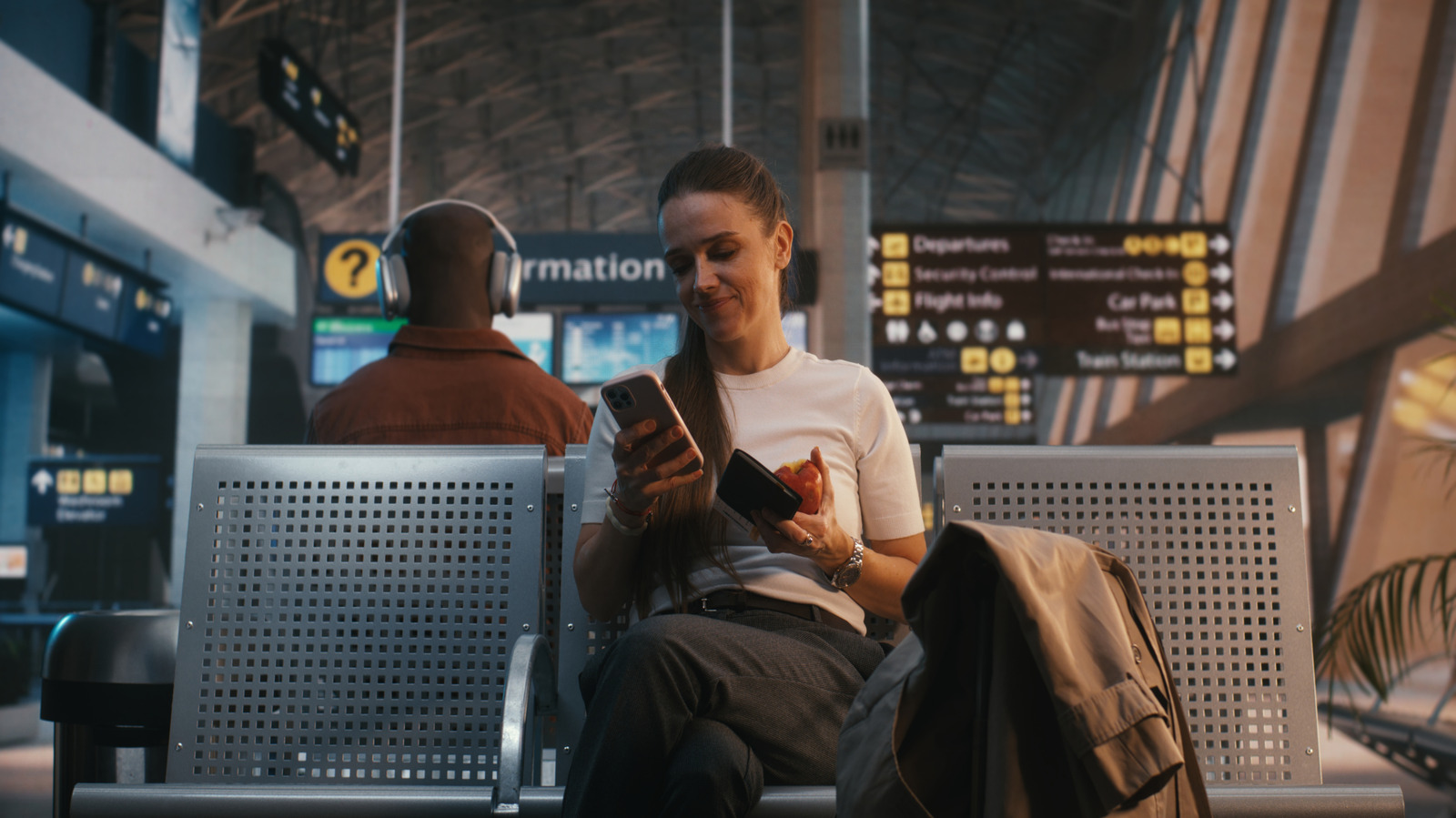
For millions of travelers, the iPhone has become an indispensable companion, a digital Swiss Army knife that manages everything from communication to navigation. Among its most convenient features is Apple Wallet, a digital repository for credit cards, loyalty programs, and, crucially, boarding passes. Recently, Apple rolled out a significant revamp to its boarding pass system, promising a more intuitive, informative, and interactive experience. This update, however, has been met with a mixed reception from US airlines, leaving many passengers wondering which carriers are truly on board with the future of digital travel.
The Evolution of Digital Boarding Passes
The journey from paper tickets to digital boarding passes has been a gradual but transformative one. Initially, digital passes were merely QR codes displayed on a screen, a simple convenience that eliminated the need for printing. Apple Wallet, alongside similar platforms, elevated this by integrating passes with flight information, gate changes, and even boarding group notifications. The latest update takes this a step further, aiming to provide a richer, more dynamic interface. Key enhancements include real-time updates for gate and terminal changes, baggage claim information, seat changes, and even estimated wait times for security or boarding. The new design also features a more visually appealing layout, making critical information easier to digest at a glance. This evolution reflects a broader industry trend towards leveraging mobile technology to streamline the travel experience, reduce friction, and enhance passenger satisfaction.
Historically, airlines have been keen adopters of technology that can improve operational efficiency and customer service. The shift to self-service kiosks, online check-in, and mobile apps all paved the way for digital boarding passes. The promise of Apple's updated system is not just about convenience for the passenger but also about potential efficiencies for airlines, such as reduced printing costs and faster boarding processes. However, integrating new technology, especially one that requires deep system changes, is often a complex and costly undertaking. This explains the varied adoption rates among carriers, as each airline must weigh the benefits against the investment required to update their backend systems and train staff.
The Current Landscape: Who's In and Who's Out?
As of the latest reports, the adoption of Apple Wallet's revamped boarding pass features among US airlines presents a patchwork scenario. While many airlines support basic Apple Wallet integration (i.e., displaying a QR code), fewer have fully embraced the advanced functionalities. Delta Air Lines and United Airlines have emerged as early leaders in integrating the new features, offering a more comprehensive experience that includes real-time updates and richer information directly within the Wallet app. Passengers flying with these carriers can expect to see dynamic gate changes, updated boarding times, and even baggage carousel details appear seamlessly.
In contrast, other major players like American Airlines and Southwest Airlines have been slower to adopt the full suite of new features. While they still allow passengers to add boarding passes to Apple Wallet, the experience might be more akin to the older, static version, requiring users to frequently check their airline's dedicated app for the latest information. Budget carriers and smaller regional airlines generally lag further behind, often relying on more basic digital solutions or even maintaining a stronger emphasis on traditional paper passes. This disparity creates an inconsistent user experience, which can be frustrating for frequent flyers who expect a uniform level of digital convenience across all their journeys.
Industry analysts suggest that the pace of adoption is influenced by several factors: the age and flexibility of an airline's existing IT infrastructure, the financial resources available for development, and their strategic priorities regarding customer experience. Airlines with newer systems or those undergoing significant digital transformation initiatives are naturally better positioned to integrate these updates quickly. For others, the cost-benefit analysis might not yet justify the immediate investment, especially in an industry still recovering from global disruptions.
Implications for Travelers and the Future of Air Travel
For the average traveler, the incomplete adoption of Apple Wallet's new features means a fragmented digital journey. While the vision of a single, dynamic boarding pass that anticipates every need is compelling, the reality is that passengers still need to be vigilant, checking both their Wallet and the airline's app for critical updates, depending on the carrier. This can lead to confusion and missed information, undermining the very convenience the update aims to provide.
However, the trend is undeniably towards greater integration and smarter digital tools. As Apple continues to push its ecosystem and as passenger expectations for seamless digital experiences grow, more airlines will likely feel compelled to upgrade their systems. The benefits extend beyond mere convenience; a more informed passenger is less likely to cause delays, leading to smoother operations at crowded airports. Imagine a future where your boarding pass not only tells you your gate but also guides you through the airport, suggests optimal routes to your terminal, and even alerts you to potential delays before they are announced publicly. This level of predictive and personalized information is the ultimate goal.
Looking ahead, the integration of digital health passes, biometric identification, and even personalized inflight service preferences directly into a mobile wallet could revolutionize air travel. The current Apple Wallet update is a significant step in this direction, laying the groundwork for a truly interconnected and intelligent travel experience. While the journey to universal adoption may be slow, the direction is clear: the future of air travel is increasingly digital, dynamic, and deeply integrated with our personal devices. Airlines that embrace this transformation will not only enhance customer loyalty but also gain a competitive edge in an ever-evolving industry. The question is not if, but when, all US airlines will fully commit to this digital revolution, ensuring a consistently smooth journey for every passenger.
Stay Informed
Get the world's most important stories delivered to your inbox.
No spam, unsubscribe anytime.
Comments
No comments yet. Be the first to share your thoughts!