Apple's Ambitious Lens: Unpacking the iPhone 18 Pro's Camera Revolution and Future Roadmap
Apple is reportedly embarking on a four-part camera upgrade strategy for its future iPhones, beginning with the highly anticipated iPhone 18 Pro. This phased approach signals a significant leap in mobile photography, moving beyond incremental improvements to potentially redefine smartphone imaging. Industry insiders suggest these advancements will encompass everything from sensor technology to advanced computational photography, setting a new benchmark for the premium smartphone market and intensifying competition.
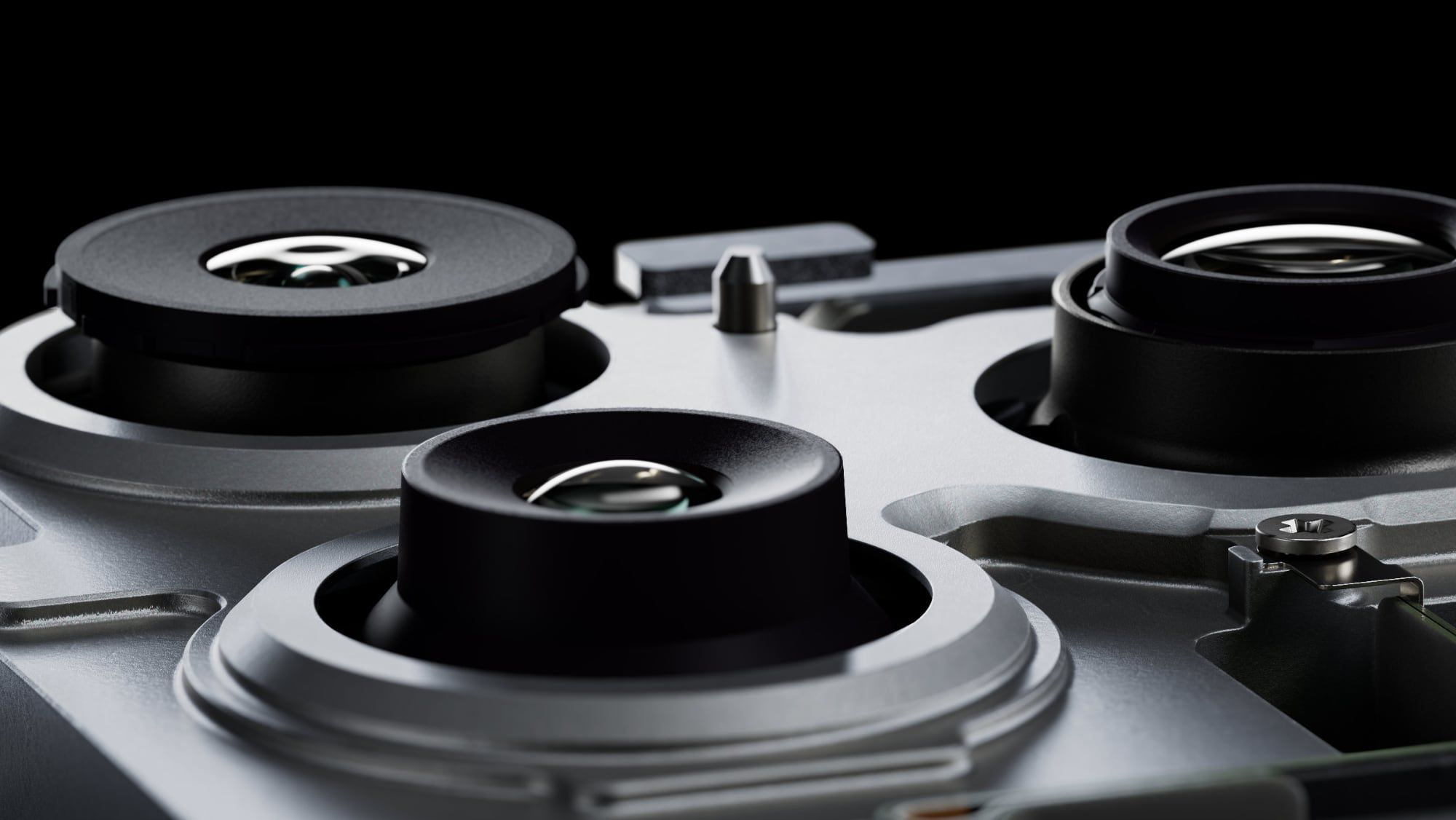
In the fiercely competitive arena of smartphone technology, camera capabilities have long been a primary battleground, and Apple, a perennial leader, appears poised to launch its most ambitious offensive yet. Whispers from the supply chain and reputable leakers suggest that the Cupertino giant is not merely planning an incremental update but a comprehensive, four-part camera upgrade strategy for its future iPhone models. This multi-year roadmap is slated to kick off with the much-anticipated iPhone 18 Pro, promising a revolution in mobile photography that could redefine user expectations and set new industry standards.
The news, initially surfaced by the Weibo-based account Digital Chat Station – a source with a credible track record for Apple leaks – indicates that the first significant enhancement will debut in the 2025 iPhone 18 Pro. This isn't just about bigger numbers; it's about a fundamental re-evaluation of how an iPhone captures the world. For years, Apple has meticulously refined its camera systems, often prioritizing image processing and software optimization over raw sensor specifications. However, this new strategy hints at a convergence of both, aiming for a holistic improvement that leverages cutting-edge hardware with sophisticated computational photography.
The Genesis of a Photography Powerhouse
Apple's journey in mobile photography has been one of consistent innovation. From the early days of the original iPhone, which, despite its revolutionary touch interface, featured a relatively modest 2-megapixel camera, to the dual-lens system of the iPhone 7 Plus, and the subsequent introduction of Night Mode, Deep Fusion, and Cinematic Mode, each generation has built upon the last. The company has consistently demonstrated a knack for making complex photographic techniques accessible to the everyday user. This has not only elevated the iPhone's status as a go-to device for casual photographers but has also seen it adopted by professionals for various projects, from short films to magazine covers.
Historically, Apple has often been a fast follower rather than a first mover in certain hardware specifications, preferring to perfect a technology before integrating it. For instance, while Android rivals were experimenting with higher megapixel counts, Apple stuck with 12MP for years, focusing instead on larger sensors and advanced image signal processing (ISP). The shift to a 48MP main sensor with pixel binning in recent Pro models marked a significant departure, hinting at a renewed focus on raw data capture capabilities. This upcoming four-part upgrade plan suggests an even more aggressive stance, indicating that Apple might be looking to establish an undeniable lead in image quality and versatility.
Decoding the Four-Part Strategy: What to Expect
While the specifics of each of the four upgrades remain under wraps, industry analysts and technology enthusiasts are already speculating on the potential areas of focus. Given Apple's history and current trends in mobile imaging, several key components are likely candidates:
* Larger Sensors and Advanced Optics: The foundation of great photography lies in the sensor. Larger sensors capture more light, leading to better low-light performance, reduced noise, and improved dynamic range. Coupled with advanced lens designs, potentially incorporating new materials or multi-element configurations, this could dramatically enhance optical clarity and reduce aberrations. We might see a move towards even larger main sensors, and perhaps even larger sensors for ultra-wide and telephoto lenses, bringing professional-grade light-gathering capabilities to a smartphone. * Next-Generation Computational Photography: Apple's prowess in computational photography is undeniable. Features like Smart HDR, Deep Fusion, and Photonic Engine are testaments to its software capabilities. The next phase could involve more sophisticated AI and machine learning algorithms for real-time image processing, perhaps enabling even more accurate semantic segmentation, improved subject tracking, or entirely new photographic modes that blend multiple exposures and perspectives seamlessly. Imagine truly lossless digital zoom or hyper-realistic portrait modes that adapt to complex lighting scenarios with unprecedented accuracy. * Enhanced Video Capabilities: The iPhone is already a formidable video camera, capable of shooting ProRes video and Cinematic Mode. Future upgrades could push the boundaries further, perhaps introducing higher frame rates at higher resolutions (e.g., 8K at 60fps), advanced stabilization systems that rival dedicated gimbals, or even new computational video features that allow for post-capture adjustments to focus, depth, or lighting with greater flexibility. Professional filmmakers are constantly pushing the limits of what can be achieved with an iPhone, and these upgrades could further cement its position as a serious production tool. * Periscope Zoom Lens Technology: This has been a long-requested feature from Apple users, already prevalent in many Android flagships. A periscope lens allows for significantly longer optical zoom capabilities by folding the light path within the phone's chassis. While Apple introduced a tetraprism telephoto lens with 5x optical zoom in the iPhone 15 Pro Max, a true periscope system could extend this even further, offering unprecedented reach without compromising image quality. This would be a game-changer for capturing distant subjects with clarity.
Implications for the Market and Consumers
This aggressive camera roadmap from Apple carries significant implications for both the broader smartphone market and the end-user. For competitors, it signals an escalation in the camera arms race. Android manufacturers, who have often led in sheer megapixel counts or zoom capabilities, will need to innovate even faster to keep pace. This competition ultimately benefits consumers, as it drives all players to push the boundaries of what's possible in a pocket-sized device.
For consumers, the promise is clear: an even more powerful and versatile photographic tool. Whether it's capturing breathtaking landscapes, intimate portraits, or dynamic video, the next generation of iPhones is expected to offer unparalleled quality and creative control. This could further blur the lines between professional cameras and smartphones, making high-quality content creation more accessible than ever before. The iPhone 18 Pro, as the vanguard of this new era, will likely be a highly sought-after device, appealing not just to tech enthusiasts but to anyone who values exceptional visual storytelling.
The Road Ahead: A Forward-Looking Perspective
Apple's decision to embark on a multi-stage camera upgrade plan underscores its strategic vision: to maintain and extend its leadership in the premium smartphone segment by focusing on core user experiences. Photography and videography are central to how people interact with their phones, share their lives, and consume content. By investing heavily in these areas, Apple is ensuring the iPhone remains at the forefront of innovation.
The rollout of these features, starting with the iPhone 18 Pro, will be closely watched. Each subsequent upgrade in the four-part plan will likely build upon the previous one, creating a cumulative effect that could fundamentally reshape mobile imaging for years to come. As technology continues to advance, driven by miniaturization, AI, and computational power, the future of smartphone cameras promises to be nothing short of extraordinary. Apple's upcoming strategy is not just about new features; it's about laying the groundwork for the next decade of mobile photography, ensuring the iPhone remains the benchmark for capturing life's moments with unparalleled clarity and artistry.
Stay Informed
Get the world's most important stories delivered to your inbox.
No spam, unsubscribe anytime.
Comments
No comments yet. Be the first to share your thoughts!