Apple's Next Frontier: 'iPhone Ultra' Rumors, Foldables, and Supply Chain Strain
Apple is buzzing with anticipation as rumors swirl around an 'iPhone Ultra,' foldable devices, and augmented reality glasses, signaling ambitious new product categories. Simultaneously, the tech giant faces supply chain challenges, with shortages impacting popular products like the Mac mini and Mac Studio. This report delves into the implications of these developments for Apple's future and the broader tech landscape.
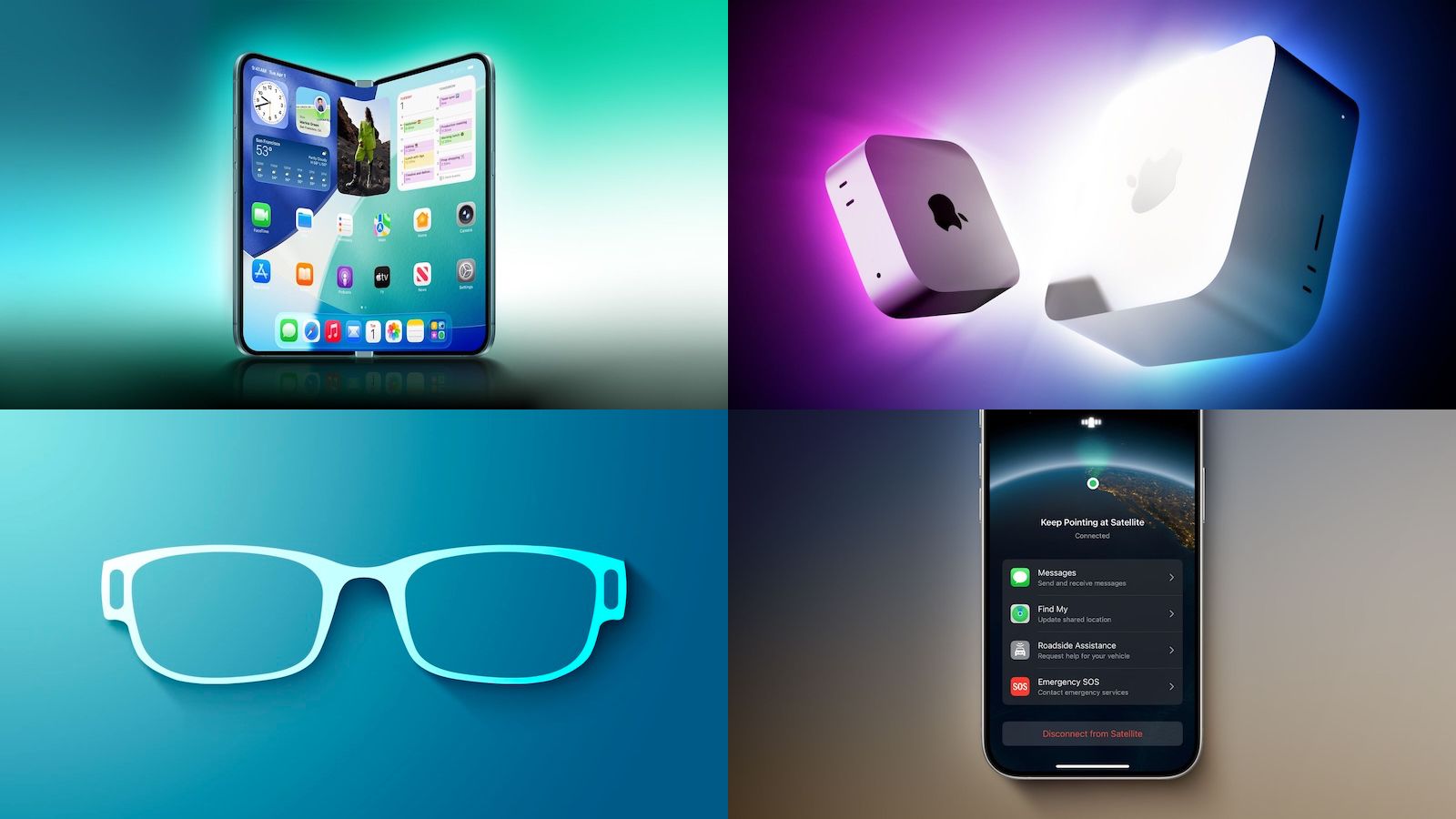
The technological landscape is a constant churn of innovation and speculation, and few companies command as much attention in this arena as Apple. This past week has been particularly electrifying, marked by a confluence of tantalizing rumors about future products and pressing concerns regarding current supply chain stability. From the whispers of an 'iPhone Ultra' to the tantalizing prospect of foldable devices and advanced smart glasses, Apple appears poised to redefine its ecosystem once again, even as it navigates persistent manufacturing hurdles affecting beloved hardware like the Mac mini and Mac Studio. This dynamic interplay of future vision and present-day challenges paints a vivid picture of a company at a critical juncture, balancing groundbreaking innovation with operational realities.
The Dawn of 'Ultra': iPhone's Evolution and Beyond
For years, Apple's iPhone lineup has set the benchmark for smartphone innovation, but the recent emergence of 'iPhone Ultra' rumors suggests a significant departure from the established Pro Max tier. This isn't merely a speculative upgrade; it hints at a new, premium segment designed to push the boundaries of mobile technology and price points. Industry analysts suggest an 'Ultra' model could incorporate groundbreaking camera technology, perhaps a periscope lens for enhanced optical zoom, or even a more robust, aerospace-grade titanium chassis. Furthermore, it might feature an even more advanced A-series chip, offering unparalleled performance for demanding applications and augmented reality experiences. The strategic implication of an 'Ultra' designation is clear: to create a halo product that not only showcases Apple's engineering prowess but also justifies a higher average selling price (ASP), catering to a segment of consumers willing to pay a premium for the absolute best.
Historically, Apple has introduced new product tiers to reinvigorate its lineup and capture new market segments. The 'Pro' moniker, initially met with skepticism, has become synonymous with professional-grade performance and features. An 'Ultra' tier would follow this precedent, potentially offering exclusive software features, enhanced battery life, or even a more integrated ecosystem experience with other high-end Apple devices. This move could also be a response to increasing competition in the ultra-premium smartphone market, where rivals are constantly innovating with cutting-edge designs and features. The 'Ultra' isn't just about a better phone; it's about a statement of intent, signaling Apple's commitment to leading the charge in mobile innovation.
Foldables and Smart Glasses: Apple's Next Big Bets
Beyond the traditional smartphone, the rumor mill has been abuzz with Apple's foray into entirely new product categories: foldable iPhones and smart glasses. The concept of a foldable iPhone has been a subject of intense speculation for years, with numerous patents filed by Apple hinting at various hinge mechanisms and display technologies. While competitors like Samsung have already launched multiple generations of foldable devices, Apple's cautious approach suggests a commitment to perfecting the technology before release. A foldable iPhone would represent a significant design departure, offering users the versatility of a larger screen in a compact form factor, potentially blurring the lines between smartphones and tablets. The challenge lies in achieving durability, seamless software integration, and a premium user experience that justifies its inevitable high price point. Apple's entry into this market could legitimize foldables as a mainstream category, much like the original iPhone did for smartphones.
Even more transformative are the persistent rumors surrounding Apple's augmented reality (AR) glasses. These are not merely a futuristic gadget; they represent a potential paradigm shift in how humans interact with digital information and the physical world. Early reports suggest Apple's AR device could be a standalone headset, initially targeting developers and professionals, before evolving into a more consumer-friendly glasses form factor. Imagine seamlessly overlaying digital information onto your real-world view, from navigation directions to interactive educational content, all controlled by intuitive gestures or eye movements. This project, reportedly codenamed 'Apple Reality,' is rumored to be one of the most ambitious undertakings in the company's history, requiring breakthroughs in display technology, battery life, and spatial computing. If successful, Apple's AR glasses could usher in a new era of personal computing, potentially succeeding the iPhone as the primary personal device in the distant future.
Supply Chain Headwinds: Mac Mini and Mac Studio Shortages
While future innovations capture headlines, Apple is simultaneously grappling with more immediate challenges: persistent supply chain disruptions. This past week, reports highlighted continued tightening of supplies for popular desktop machines, specifically the Mac mini and Mac Studio. These shortages are not isolated incidents but rather symptomatic of broader global supply chain issues that have plagued the tech industry since the pandemic. Factors include ongoing semiconductor scarcity, geopolitical tensions affecting manufacturing hubs, and logistics bottlenecks. For consumers and businesses relying on these powerful yet compact machines, the inability to readily purchase them translates into frustration and delayed projects.
The Mac mini, known for its versatility and value, serves a diverse user base, from casual users to developers and creative professionals. The Mac Studio, a more recent addition, targets high-end creative workflows, offering immense power in a small footprint. Shortages of these products not only impact sales figures but also affect Apple's ecosystem, as developers and content creators might be forced to delay upgrades or seek alternative solutions. Apple's robust supply chain, once considered a competitive advantage, has been tested repeatedly, forcing the company to diversify manufacturing, invest in new logistics strategies, and even design more of its own components to reduce reliance on external suppliers. The current shortages underscore the fragility of global manufacturing and the constant need for resilience and adaptability in a complex economic environment.
Expert Analysis and Future Implications
The confluence of these developments paints a fascinating picture of Apple's strategic direction. The push into 'Ultra' iPhones, foldables, and AR glasses signifies a company unwilling to rest on its laurels, constantly seeking the next frontier of technological innovation. This aggressive pursuit of new product categories is crucial for long-term growth, especially as the smartphone market matures. Diversifying beyond the iPhone, while still leveraging its immense ecosystem, is a smart move to ensure sustained relevance and revenue streams for decades to come. Analyst firm Counterpoint Research recently noted that Apple's services revenue continues to grow, providing a stable backbone, but hardware innovation remains the primary driver for attracting new users and retaining existing ones.
However, these ambitious plans are inextricably linked to the stability and efficiency of its supply chain. The current shortages of Mac mini and Mac Studio serve as a stark reminder that even the most innovative products are only as good as their availability. Apple's ability to navigate these complexities—by optimizing logistics, forging stronger supplier relationships, and potentially bringing more manufacturing in-house—will be critical to the successful launch and scaling of its future products. The company's massive cash reserves and unparalleled brand loyalty provide a significant buffer, but sustained disruptions could erode consumer confidence and open doors for competitors. The coming years will be a test of Apple's dual capacity: to dream big with revolutionary products and to execute flawlessly on the operational front.
Conclusion: A Glimpse into Apple's Ambitious Future
This past week's Apple news cycle has been a microcosm of the company's grand strategy: a relentless pursuit of innovation balanced against the intricate challenges of global manufacturing. The rumors of an 'iPhone Ultra,' foldable devices, and groundbreaking AR glasses are not just speculative whispers; they are indicators of Apple's long-term vision to shape the future of personal technology. These products, if realized, promise to redefine user interaction, expand digital experiences, and solidify Apple's position at the forefront of the tech world. Yet, the ongoing shortages of critical products like the Mac mini and Mac Studio serve as a grounding reminder that even a titan like Apple is subject to the realities of a complex global economy. As Apple continues its journey, the world watches with bated breath, eager to see how it will balance its audacious technological ambitions with the practicalities of bringing these innovations to millions of eager consumers. The future, for Apple, is undoubtedly 'Ultra,' foldable, and augmented, but also critically dependent on a resilient and robust supply chain.
Stay Informed
Get the world's most important stories delivered to your inbox.
No spam, unsubscribe anytime.
Comments
No comments yet. Be the first to share your thoughts!