Apple's Next-Gen MacBook Pro Faces Potential Delay Amidst Global Memory Shortage
Apple's highly anticipated MacBook Pro redesign, rumored to include a touch-screen, may be pushed back to 2027 due to an ongoing industry-wide memory shortage. This significant delay could impact Apple's product roadmap and user expectations for innovative Mac upgrades. The report from Bloomberg's Mark Gurman highlights the broader challenges facing the tech sector, forcing Apple to adapt its release schedule.
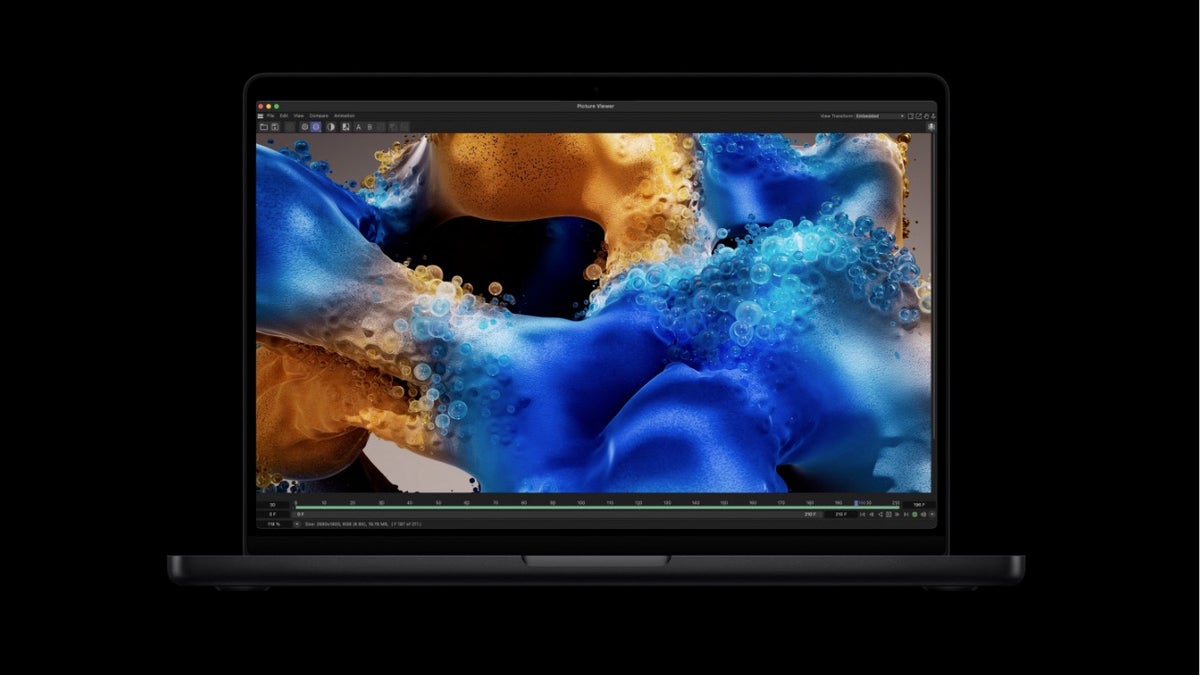
For years, the tech world has buzzed with speculation about Apple's next major leap in its professional laptop line: a MacBook Pro featuring a touch-screen. This seemingly inevitable evolution, bringing the tactile interface of the iPad to the powerful Mac, has been a cornerstone of many future product predictions. However, those eagerly awaiting this transformative upgrade might need to recalibrate their expectations. According to a recent report from Bloomberg's Mark Gurman, a highly respected authority on Apple's internal workings, the industry-wide memory shortage is threatening to push back not one, but two of Apple's critical Mac upgrades, with the touch-screen MacBook Pro potentially slipping into 2027. This isn't just a minor blip; it's a significant snag that could reshape Apple's product roadmap and the competitive landscape for years to come.
The Looming Shadow of the Memory Shortage
The global semiconductor industry has been grappling with unprecedented challenges since the onset of the pandemic. While much attention has been paid to CPU and GPU shortages, the scarcity of NAND flash and DRAM memory components has quietly become a critical bottleneck. These memory types are fundamental to every modern electronic device, from smartphones and tablets to high-performance laptops like the MacBook Pro. A shortage in these components means manufacturers like Apple face difficulties in securing sufficient quantities to meet their production targets, leading to delays, increased costs, and sometimes, even product redesigns to accommodate available parts.
Gurman's report specifically points to this memory crunch as the primary culprit behind the potential MacBook Pro delay. Apple, known for its meticulous supply chain management and massive purchasing power, is not immune to these global forces. The sheer scale of its operations means that even minor disruptions in component availability can have cascading effects across its entire product portfolio. For a device as complex and high-volume as the MacBook Pro, which demands cutting-edge memory technology, any supply constraint can be a deal-breaker for timely launches.
The Vision of a Touch-Screen MacBook Pro
The idea of a touch-screen MacBook Pro has been a topic of fervent debate and anticipation among Apple enthusiasts and industry analysts alike. For years, Apple executives, most notably Steve Jobs, famously dismissed the concept of touch-screen Macs, arguing that the ergonomics of reaching up to a vertical display were unnatural and inefficient. This philosophy underpinned the development of the MacBook Air and MacBook Pro lines, which emphasized trackpad gestures and keyboard shortcuts, while the iPad became the company's dedicated touch-first device.
However, the computing landscape has evolved dramatically. Competitors like Microsoft have successfully integrated touch capabilities into their Surface Pro and Surface Laptop lines, demonstrating a market appetite for hybrid experiences. The advent of iPadOS and the increasing power of Apple's M-series chips have further blurred the lines between tablets and traditional laptops. A touch-screen MacBook Pro, especially one running on Apple Silicon, could offer a truly versatile computing experience, combining the precision of macOS with the intuitive interaction of touch, potentially unlocking new creative workflows and user applications. Such a device would represent a significant paradigm shift for Apple's Mac division, potentially revitalizing the entire laptop market.
Implications for Apple's Strategy and Users
A delay of this magnitude carries several significant implications for Apple. Firstly, it could impact the company's competitive standing. While Apple's ecosystem loyalty is strong, prolonged delays in introducing highly anticipated features could give rivals an opportunity to innovate and capture market share. Secondly, it could affect Apple's financial performance, as new product launches are often significant revenue drivers. Investors and analysts closely watch these cycles, and any disruption can lead to market jitters.
For users, the delay means a longer wait for what many consider to be a natural evolution of the MacBook Pro. Professionals in creative industries, developers, and power users who rely on the Mac for their daily work are constantly seeking performance enhancements and innovative features. A touch-screen, coupled with the raw power of Apple Silicon, could represent a substantial upgrade for many. The extended wait might force some to consider alternative solutions or delay their upgrade cycles, potentially impacting Apple's upgrade velocity. Furthermore, it raises questions about Apple's ability to navigate global supply chain challenges, even with its immense resources.
Beyond the Touch-Screen: Other Mac Upgrades at Risk
Gurman's report indicates that the touch-screen MacBook Pro isn't the only Mac upgrade facing potential delays. While specific details about the second affected product are less clear, it suggests a broader impact of the memory shortage on Apple's Mac development pipeline. This could include updates to the Mac mini, iMac, or even future iterations of the Mac Studio or Mac Pro. The Mac line, which has seen a resurgence in popularity and performance thanks to Apple Silicon, relies on a steady stream of updates to maintain its competitive edge. Any widespread delays could temper the momentum Apple has built in the personal computing market.
This situation underscores the intricate global dependencies within the tech industry. Even a company as dominant as Apple is subject to the ebb and flow of component availability, geopolitical tensions, and economic shifts. The memory shortage, while perhaps less visible than other semiconductor crises, is a potent reminder that the foundation of our digital world is built on a complex and sometimes fragile supply chain.
The Road Ahead: Adaptation and Innovation
While the news of a potential delay is undoubtedly disappointing for many, it's important to remember Apple's track record of resilience and strategic adaptation. The company has navigated numerous supply chain challenges in the past, often emerging stronger. It's likely that Apple is already exploring various strategies to mitigate the impact of the memory shortage, including diversifying suppliers, optimizing component usage, or even prioritizing certain product lines over others. The delay could also provide Apple with more time to refine the touch-screen experience, ensuring that when it finally arrives, it is a polished and truly Apple-caliber innovation.
Looking forward, the tech industry must continue to invest in expanding manufacturing capacities and developing more robust supply chain networks to prevent similar bottlenecks in the future. For consumers, patience will be key. The touch-screen MacBook Pro, whenever it arrives, will likely be a testament to Apple's enduring commitment to innovation, even in the face of global adversity. Until then, the anticipation continues to build for what promises to be a landmark product in the evolution of personal computing.
Stay Informed
Get the world's most important stories delivered to your inbox.
No spam, unsubscribe anytime.
Comments
No comments yet. Be the first to share your thoughts!