Apple's Stellar Q2: iPhone 17 Dominance Fuels $111.2 Billion Revenue Surge Amidst Tech Sector Shifts
Apple has reported an impressive Q2 revenue of $111.2 billion, a significant 17% increase year-over-year, largely driven by the unprecedented success of its iPhone 17 lineup. This financial triumph comes amidst a dynamic global tech landscape, showcasing Apple's enduring market strength and strategic product innovation. The results highlight robust demand for premium devices and hint at future growth vectors for the Cupertino giant.
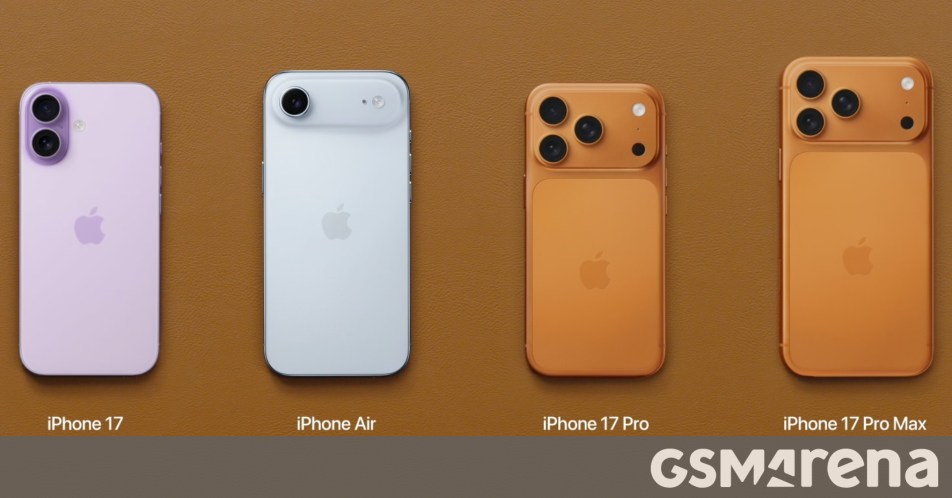
In a testament to its unwavering market prowess and strategic innovation, Apple Inc. has once again defied expectations, announcing a staggering $111.2 billion in revenue for its second fiscal quarter, ending March 28. This figure represents a remarkable 17 percent increase compared to the same period last year, sending a clear signal of the tech giant's robust health amidst a sometimes volatile global economy. At the heart of this financial triumph lies the iPhone 17 lineup, which the company proudly declared as its "most popular ever," underscoring the sustained demand for its flagship smartphones and its ecosystem's magnetic appeal.
This stellar performance not only solidifies Apple's position at the pinnacle of the technology sector but also provides crucial insights into consumer spending habits and the evolving dynamics of the premium electronics market. As investors and analysts dissect these figures, the narrative emerging is one of resilience, strategic product cycles, and an ecosystem that continues to captivate and retain a loyal global user base.
The iPhone 17 Phenomenon: A Deep Dive into Unprecedented Success
The declaration that the iPhone 17 lineup is Apple's "most popular ever" is not a statement to be taken lightly. It signifies a convergence of several factors: innovative design, enhanced performance, advanced camera capabilities, and perhaps most importantly, the seamless integration within Apple's broader ecosystem of services and accessories. The iPhone 17, with its rumored advancements in AI capabilities and extended battery life, appears to have struck a chord with consumers looking for both cutting-edge technology and reliable performance.
Market analysts suggest that Apple's strategic pricing, coupled with aggressive trade-in programs and flexible financing options, played a pivotal role in making the iPhone 17 accessible to a wider audience, despite its premium positioning. Furthermore, the global rollout of 5G infrastructure continues to drive upgrades, with users opting for devices that can fully leverage these faster networks. The iPhone 17's optimized 5G modem and software integration likely contributed significantly to its appeal, positioning it as a future-proof investment for many consumers. This success also highlights Apple's ability to consistently innovate and deliver products that resonate deeply with consumer desires, maintaining a competitive edge in a saturated smartphone market.
Beyond the iPhone: Apple's Diversified Growth Engines
While the iPhone remains the undisputed revenue driver, Apple's Q2 results also underscore the growing importance of its other segments. The Services division, encompassing everything from the App Store and Apple Music to iCloud and Apple Pay, continues its trajectory as a high-margin growth engine. Although specific figures for Services were not detailed in the provided source, historical trends suggest a consistent double-digit growth rate, contributing significantly to the company's overall profitability and valuation. This segment's recurring revenue model provides a stable and predictable income stream, diversifying Apple's reliance solely on hardware sales.
Similarly, the Wearables, Home, and Accessories segment—which includes products like the Apple Watch, AirPods, and HomePod—has consistently demonstrated strong performance. These devices not only expand Apple's hardware footprint but also serve as crucial entry points into the Apple ecosystem, further entrenching users. The synergy between these products and the iPhone creates a powerful network effect, making it challenging for users to switch to competing platforms. The continuous innovation in these categories, such as advanced health monitoring features in the Apple Watch or spatial audio in AirPods, keeps consumers engaged and willing to invest further in the Apple ecosystem.
Global Economic Headwinds and Apple's Resilience
Apple's impressive Q2 performance is particularly noteworthy given the prevailing global economic uncertainties. Supply chain disruptions, inflationary pressures, and geopolitical tensions have impacted numerous industries, yet Apple has managed to navigate these challenges with remarkable resilience. This can be attributed to several factors:
* Robust Supply Chain Management: Apple's long-standing relationships with suppliers and its sophisticated logistics network have allowed it to mitigate many of the supply chain bottlenecks that have plagued competitors. * Strong Brand Loyalty: The Apple brand commands unparalleled loyalty, with consumers often prioritizing Apple products even during economic downturns, viewing them as premium, reliable investments. * Strategic Market Penetration: While mature markets like North America and Europe remain strong, Apple has also made significant inroads into emerging markets, tapping into new growth opportunities. * Premium Positioning: In times of economic uncertainty, consumers often gravitate towards established, high-quality brands they trust, reinforcing Apple's premium market position.
This ability to thrive in a challenging environment speaks volumes about Apple's operational efficiency and the enduring strength of its brand equity. The company's consistent investment in research and development also ensures a pipeline of innovative products that keep it ahead of the curve.
Looking Ahead: Innovation, Services, and Emerging Technologies
As Apple closes out another successful quarter, the focus inevitably shifts to the future. The company's strategic direction appears to be centered on three key pillars: continued hardware innovation, aggressive expansion of its services portfolio, and exploration of emerging technologies. With persistent rumors about ventures into augmented reality (AR) and virtual reality (VR) with devices like the Apple Vision Pro, and continued advancements in automotive technology, Apple is clearly positioning itself for the next wave of technological evolution.
Furthermore, the increasing integration of artificial intelligence (AI) across all its products and services will be a critical differentiator. From enhancing user experience in iOS to powering sophisticated features in its professional applications, AI is set to become an even more integral part of the Apple ecosystem. The company's commitment to privacy, combined with its AI capabilities, could set a new standard for responsible technology development.
The Q2 results serve as a powerful affirmation of Apple's strategic vision and execution. The iPhone 17's record-breaking popularity, coupled with the steady growth of services and other hardware categories, paints a picture of a company that is not just surviving but thriving in a complex global market. As Apple continues to innovate and expand its ecosystem, its influence on technology, culture, and the global economy is only set to grow, promising an exciting future for consumers and investors alike.
Stay Informed
Get the world's most important stories delivered to your inbox.
No spam, unsubscribe anytime.
Comments
No comments yet. Be the first to share your thoughts!