Beyond Exclusives: Unpacking the True Appeal of Console Gaming
A recent survey highlights exclusive games as the top reason for console purchases, yet this only scratches the surface of a complex consumer landscape. This article delves into the multifaceted allure of console gaming, exploring factors from hardware reliability to community engagement that drive player loyalty. We examine the historical evolution of console wars and predict future trends in an increasingly competitive market.
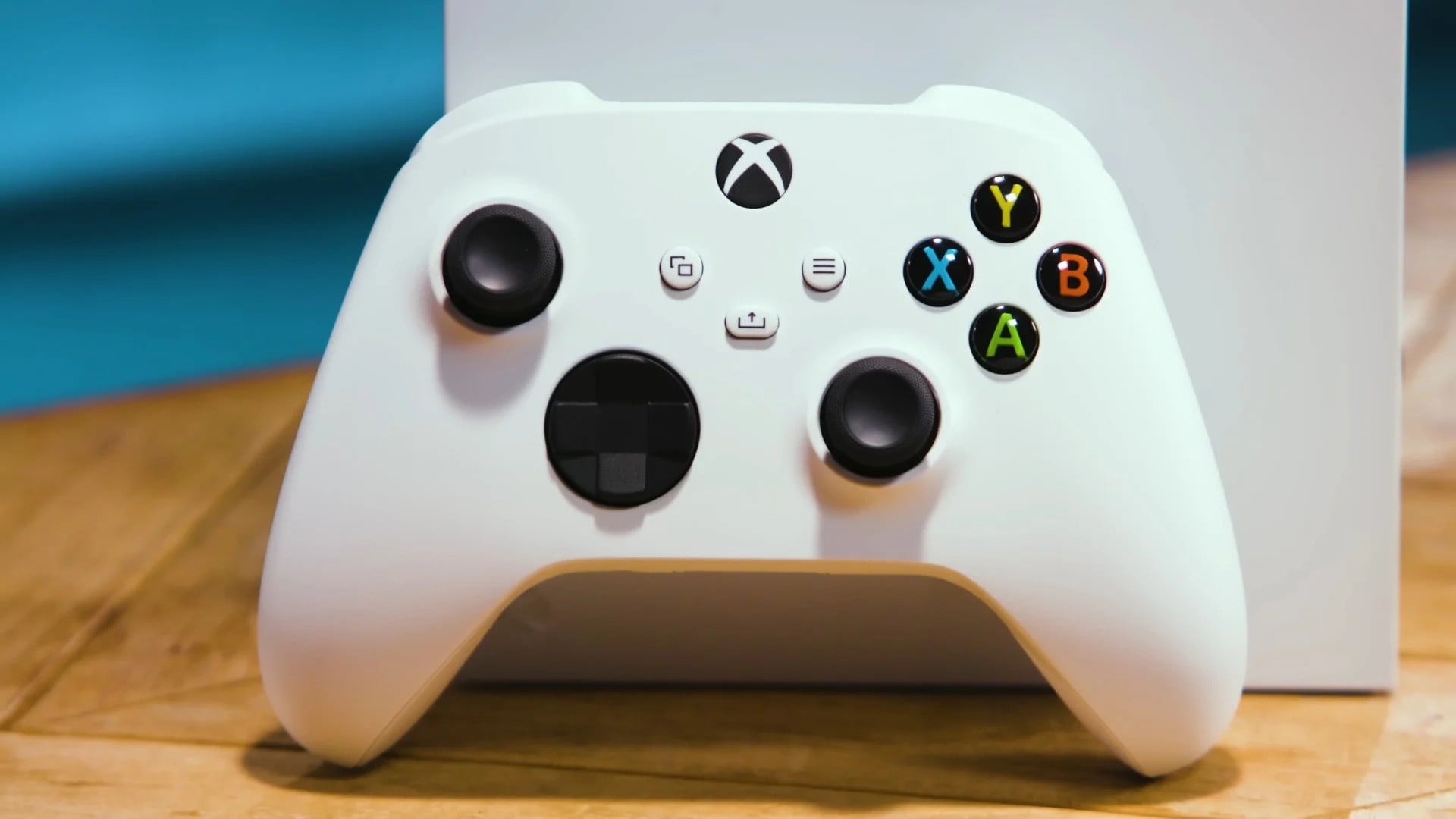
In the ever-evolving world of video games, the battle for player loyalty is fierce, often waged on the battleground of exclusive titles. A recent survey, making waves across the industry, emphatically points to exclusive games as the primary driver for consumers choosing one console over another. While this finding might seem straightforward, it merely scratches the surface of a far more intricate tapestry of motivations that define the modern console gamer. To truly understand why millions pledge allegiance to PlayStation, Xbox, or Nintendo, we must look beyond the marquee exclusives and delve into the deeper, often subconscious, factors at play.
The Enduring Power of Exclusivity: A Double-Edged Sword
For decades, exclusivity has been the bedrock of console strategy. From Nintendo's iconic Mario and Zelda franchises to PlayStation's cinematic epics like The Last of Us and Xbox's flagship Halo series, these proprietary titles are designed to be system sellers. They create a unique value proposition, forcing players to invest in specific hardware to access experiences unavailable elsewhere. This strategy, while highly effective in driving console sales, also fosters a fragmented market where players often feel compelled to own multiple systems to enjoy the full spectrum of gaming's best offerings. The survey's top-ranking of exclusives underscores that, despite growing calls for cross-platform play and more open ecosystems, the allure of a unique, high-quality game remains unparalleled. It’s a powerful marketing tool, a differentiator in a crowded market, and a testament to the creative vision nurtured within specific development ecosystems.
However, this reliance on exclusivity is not without its critics. Many argue that it artificially restricts player choice and stifles innovation by limiting the potential audience for groundbreaking titles. Imagine a world where every major release was available on every platform; consumer decisions would then shift entirely to factors like hardware performance, user interface, and community features. This hypothetical scenario, often dreamed of by players, highlights the tension between business strategy and consumer desire for universal access. Yet, for now, the data confirms: if you want to play God of War, you buy a PlayStation.
Beyond the Blockbusters: Unseen Drivers of Console Preference
While exclusives dominate the headlines, a closer examination reveals a wealth of other factors influencing console choice. Hardware reliability and performance consistently rank high among discerning gamers. A console isn't just a gateway to games; it's a piece of dedicated entertainment hardware designed for a specific purpose. Players expect seamless performance, stable frame rates, and robust build quality. The tactile experience of a controller, the intuitive nature of a user interface, and the overall aesthetic appeal of the console itself contribute significantly to a player's long-term satisfaction. Nintendo's unique approach with the Switch, for instance, offers unparalleled portability, appealing to a demographic that values gaming on the go, a feature no exclusive title alone could replicate.
Community and social features also play a pivotal role. Gaming is increasingly a social activity, and the ecosystem surrounding a console—its online services, party chat functionalities, and integrated social networks—can be as important as the games themselves. PlayStation Network and Xbox Live have cultivated vast communities, offering friends a consistent platform to connect, compete, and collaborate. The shared experience, the ability to easily join friends, and the sense of belonging to a particular gaming tribe often solidify a player's allegiance to a brand. This extends to the ecosystem of services, including subscription models like Xbox Game Pass or PlayStation Plus, which offer vast libraries of games for a monthly fee, providing immense value beyond individual game purchases.
The Historical Context: Console Wars and Evolving Strategies
To appreciate the current landscape, one must glance back at the storied history of console wars. From the Sega vs. Nintendo rivalry of the 90s to the modern-day competition between Sony, Microsoft, and Nintendo, these battles have shaped the industry. Early on, technical specifications and marketing prowess were key. Later, exclusive mascots and genre-defining titles took center stage. The current era sees a blend of these, with powerful hardware, compelling exclusives, and extensive service offerings all vying for consumer attention. The shift towards digital distribution, cloud gaming, and cross-play capabilities further complicates the traditional console model, hinting at a future where the lines between platforms might blur, but the core appeal of a curated, high-quality gaming experience remains.
The Future of Console Gaming: Convergence and Specialization
Looking ahead, the console market is poised for fascinating developments. While the survey reaffirms the power of exclusives, there's an undeniable trend towards convergence. Microsoft's strategy with Xbox, bringing many of its first-party titles to PC and embracing cloud gaming, suggests a future where hardware might become less of a barrier, and services more of a differentiator. Sony, while still heavily invested in exclusives, has also begun to port some of its older titles to PC, testing the waters of a broader audience. Nintendo, with its unique hardware and family-friendly focus, continues to carve its own niche, proving that innovation in form factor can be as powerful as raw graphical horsepower.
The industry might evolve towards a model where consoles specialize further: some offering ultimate graphical fidelity, others unparalleled portability, and yet others focusing on unique interactive experiences. The concept of a "console" itself might expand to include streaming devices or even smart TVs with integrated gaming services. Regardless of the technological advancements, the fundamental desire for compelling, immersive, and enjoyable gaming experiences will remain constant. The challenge for console manufacturers will be to continue innovating, not just in terms of pixels and polygons, but in how they connect players, offer value, and ultimately, deliver joy. The survey serves as a potent reminder that while the industry is dynamic, the core reasons people pick up a controller and dive into a virtual world are deeply rooted in the unique magic that only dedicated gaming hardware can consistently provide, with exclusives often being the glittering crown jewel.
Stay Informed
Get the world's most important stories delivered to your inbox.
No spam, unsubscribe anytime.
Comments
No comments yet. Be the first to share your thoughts!