Beyond the Sideline: David Moyes' Unexpected Style Statement and the Evolution of Football Fashion
David Moyes, often characterized by his pragmatic approach to football, recently turned heads with his unexpected sartorial elegance during Everton's clash with Manchester City. This incident sparked a broader conversation about the evolving relationship between football management, personal branding, and high fashion. PulseWorld delves into how managers are increasingly becoming style icons, influencing trends both on and off the pitch, and the commercial implications of this shift.
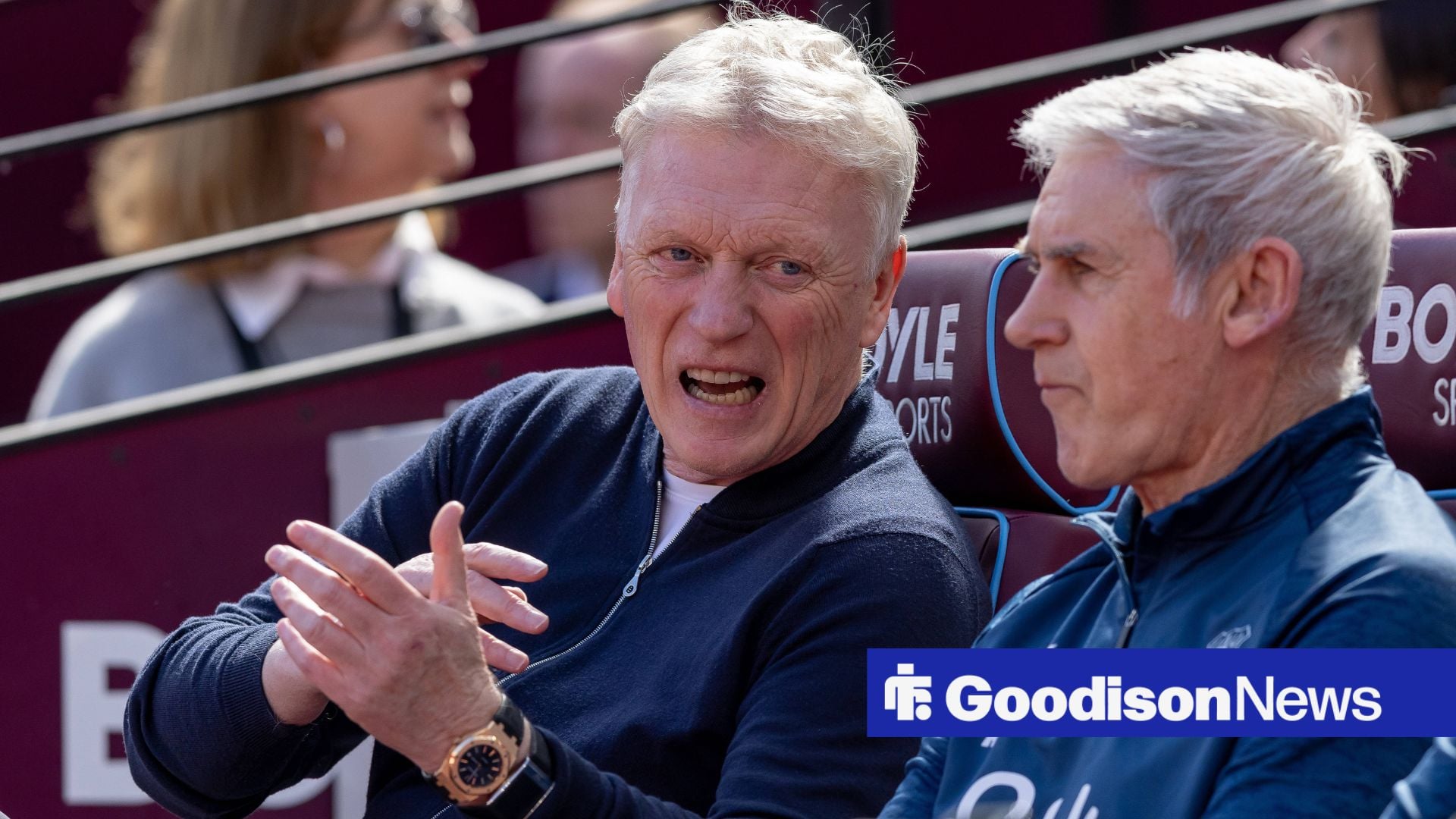
In the high-octane world of professional football, where tactical masterclasses and dramatic comebacks often dominate headlines, it's rare for a manager's attire to steal the spotlight. Yet, during Everton's thrilling 3-3 draw against Manchester City, David Moyes, a figure more synonymous with stoic determination than sartorial flair, did precisely that. His unexpected foray into what many described as 'GQ-worthy' fashion transcended the immediate result, sparking a global conversation about the evolving aesthetics of football management and the subtle power of personal branding in the modern game.
Moyes, the seasoned Scottish tactician, has long cultivated an image of a no-nonsense, pragmatic coach. His touchline presence typically involves functional sportswear, a reflection of his focus squarely on the game. However, on that particular match day, he emerged in an ensemble that defied expectations: a sharp, tailored suit, meticulously chosen accessories, and an overall polished look that exuded understated sophistication. This wasn't just a fleeting fashion choice; it was a moment that underscored a growing trend in football, where managers are no longer just strategists but increasingly, public figures whose image is as carefully curated as their team's formation. The irony, of course, was that despite his impeccable appearance, Moyes ultimately faced disappointment as Everton squandered a late 3-1 lead, highlighting the unpredictable nature of the sport even when everything else is perfectly aligned.
The Shifting Sands of Managerial Image: From Tracksuits to Tailoring
For decades, the football manager's uniform was almost exclusively the tracksuit. Think of legendary figures like Brian Clough or Sir Alex Ferguson, whose touchline attire was practical, comfortable, and emblematic of their hands-on, often gritty approach to the game. This sartorial simplicity reflected an era where the focus was solely on performance, and personal style was largely an afterthought. The tracksuit symbolized the manager as an extension of the players, ready to jump into training or offer immediate instruction.
However, the turn of the millennium brought with it a significant shift. As football transformed into a multi-billion-dollar global industry, the emphasis on image, branding, and media presence intensified. Managers, once confined to the technical area, found themselves under the constant scrutiny of cameras, not just for their tactical decisions but for their overall public persona. This evolution saw the gradual decline of the ubiquitous tracksuit in favor of more formal, often designer, wear. Figures like Arsène Wenger, with his elegant suits and intellectual demeanor, began to redefine the managerial aesthetic. Later, the arrival of managers like Pep Guardiola and José Mourinho, known for their sharp, contemporary fashion choices, cemented this trend. Guardiola, in particular, has become a style icon in his own right, often seen in high-end casual wear or impeccably tailored suits, reflecting the modern, sophisticated image of his clubs.
This shift isn't merely superficial. It speaks to a broader professionalization of the role. Managers are now brand ambassadors for their clubs, their image influencing perceptions of the organization as a whole. A well-dressed manager can convey professionalism, authority, and a certain gravitas, qualities that resonate with sponsors, investors, and a global fan base increasingly attuned to aesthetics.
The Psychology of Power Dressing on the Touchline
The choice of attire for a football manager is far more than a matter of personal preference; it's a strategic decision that can subtly influence perceptions. Power dressing, a concept long understood in the corporate world, is now firmly entrenched in football. A tailored suit, for instance, can project confidence, discipline, and a commanding presence. It creates a visual distinction between the manager and the players, reinforcing the hierarchy and authority inherent in the role.
Consider the psychological impact: a manager dressed sharply might be perceived by opponents as more formidable, by referees as more composed, and by their own players as a figure of respect and leadership. This isn't to say that a tracksuit diminishes authority, but a more formal approach often aligns with the gravitas expected of someone leading a multi-million-dollar enterprise on the global stage. David Moyes's choice, therefore, could be interpreted as a conscious or subconscious effort to project a renewed sense of purpose and confidence, perhaps even a subtle challenge to the prevailing narrative about his managerial style.
Moreover, in an era of intense media scrutiny, every detail is analyzed. A manager's appearance contributes to their overall personal brand. This brand can attract commercial endorsements, enhance their marketability, and even influence their appeal to potential clubs. The days of managers being solely judged on results are over; now, their holistic public image plays a crucial role in their career trajectory.
Commercial Implications and the Fashion-Football Nexus
The convergence of fashion and football has opened up significant commercial avenues. High-end fashion brands are increasingly partnering with football clubs and individual managers, recognizing the immense global reach and aspirational appeal of the sport. These collaborations range from official suit suppliers for teams to individual endorsement deals for managers who embody a certain style or ethos.
For instance, brands like Hugo Boss, Armani, and Paul Smith have all dipped their toes into football, dressing teams for travel or formal events. The sight of a manager like Pep Guardiola sporting a designer jacket or a bespoke suit during a post-match interview is not just a fashion statement; it's a powerful, albeit often subtle, advertisement. This synergy creates a mutually beneficial relationship: fashion brands gain exposure to a massive, diverse audience, while clubs and managers enhance their sophisticated image and unlock new revenue streams.
Furthermore, the 'GQ treatment' that David Moyes received, even if unexpected, highlights the media's growing interest in this aspect. Fashion magazines, lifestyle blogs, and social media platforms now regularly comment on managerial attire, turning match days into impromptu fashion shows. This increased visibility transforms managers into unwitting style influencers, capable of driving trends and shaping consumer preferences. The commercial value of a manager's image is no longer negligible; it's an integral part of the modern football ecosystem.
The Future of Managerial Style: Authenticity vs. Aspiration
As football continues its relentless march towards global entertainment, the role of the manager's image will only grow in importance. The question that remains is how managers will balance authenticity with the increasing pressure to conform to a polished, aspirational image. While some, like Moyes, might occasionally surprise with a sartorial pivot, others, like Jürgen Klopp with his signature baseball cap and tracksuit, maintain a consistent, authentic brand that resonates deeply with fans.
Ultimately, the most successful managerial brands are those that feel genuine. Whether it's the rugged authenticity of a tracksuit-clad leader or the sophisticated elegance of a tailored suit, the key lies in consistency and how well the image aligns with the manager's personality and philosophy. David Moyes's moment of unexpected glamour served as a fascinating snapshot of this evolving landscape, reminding us that in football, as in life, sometimes the most impactful statements are made not with words, but with what you wear. The touchline, once merely a boundary, has truly become a stage, and managers, whether they intend to or not, are increasingly starring in a fashion drama all their own. As the game continues to globalize, expect more managers to embrace their role as style ambassadors, further blurring the lines between sport, business, and high fashion.
Stay Informed
Get the world's most important stories delivered to your inbox.
No spam, unsubscribe anytime.
Comments
No comments yet. Be the first to share your thoughts!