From £14,200 to a Million: The Irish Housing Market's Astonishing 45-Year Transformation
Explore the dramatic shift in Irish property values since 1978, when a house cost a mere £14,200. This article delves into the economic, social, and technological forces that have reshaped homeownership, from the Celtic Tiger boom to today's affordability crisis. Discover how inflation, interest rates, and evolving lifestyles have redefined the dream of owning a home in Ireland.
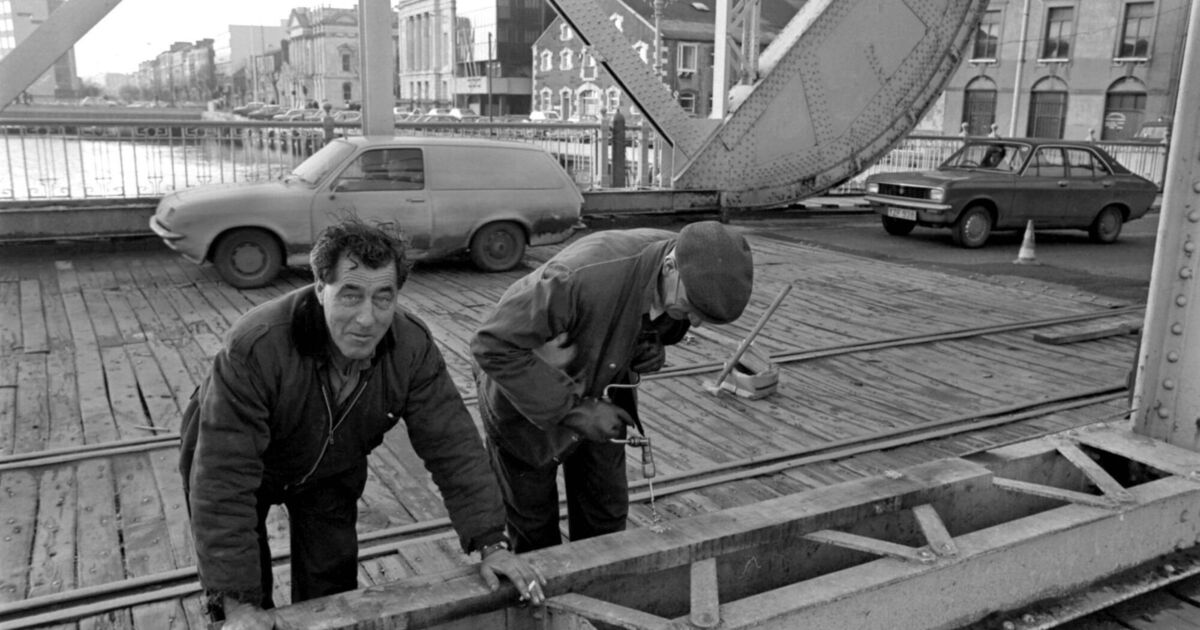
In 1978, the dream of homeownership in Ireland was a tangible reality for many, often secured with a modest sum that today seems almost mythical. Imagine purchasing a family home for just £14,200 – a figure that, when adjusted for inflation, still pales in comparison to current market prices. This stark contrast isn't just a nostalgic anecdote; it's a powerful lens through which to examine the profound economic and societal shifts that have irrevocably transformed the Irish housing market over the past 45 years. From the quiet, agrarian Ireland of the late 1970s to the bustling, globalized nation of the 21st century, the journey of property values reflects a nation's evolution, marked by booms, busts, and an enduring quest for a place to call home.
A Glimpse into 1978: Simpler Times, Affordable Dreams
The late 1970s in Ireland presented a very different economic landscape. The country was still largely agricultural, with a smaller population and a less developed financial sector. Interest rates, while seemingly high by today's standards (often in double digits), were offset by significantly lower property values and a different wage structure. A house costing £14,200, as recalled by individuals like retired garda Jim Ryan, represented a substantial investment but one that was within reach for a typical working family. This era was characterized by a more localized economy, less foreign investment, and a housing market driven primarily by domestic demand and supply, without the intense speculative pressures seen in later decades. The concept of a 'housing crisis' as we understand it today was largely absent, replaced by more localized issues of supply in specific urban centers.
Furthermore, the cost of living, including essentials like food and transport, was proportionally different. The idea of a £7,000 house doubling in value in a short period, as mentioned in the source, speaks to a nascent market beginning to stir, but still far from the exponential growth that would define the Celtic Tiger years. The memories shared by Ryan – of breakfast on trains and early flights – paint a picture of a society on the cusp of modernization, where travel was becoming more accessible, and the world felt both smaller and larger simultaneously. These personal narratives provide a crucial human element to the cold statistics of property prices, reminding us that homes are not just assets, but repositories of life's experiences and aspirations.
The Celtic Tiger Roars: Unprecedented Growth and Its Aftermath
The late 1990s and early 2000s witnessed an economic phenomenon dubbed the Celtic Tiger. Ireland, once considered one of Europe's poorer nations, experienced rapid economic growth fueled by foreign direct investment, a young, educated workforce, and favorable tax policies. This boom had a seismic impact on the housing market. Demand skyrocketed, fueled by rising incomes, easier access to credit, and a burgeoning population. Property prices began their meteoric ascent, transforming the landscape of Irish cities and towns. What once cost thousands now commanded hundreds of thousands, and eventually, millions.
This period saw a significant shift in the perception of property – from a home to an investment vehicle. Speculation became rampant, with properties often changing hands multiple times before completion. The average price of a house in Dublin, for instance, soared from around €100,000 in the mid-1990s to over €400,000 by 2007. The dream of homeownership, while still alive, became increasingly challenging for first-time buyers who hadn't entered the market early. The global financial crisis of 2008 brought this era to an abrupt and painful halt. The property bubble burst, leading to a severe economic recession, widespread unemployment, and a dramatic collapse in house prices. Many homeowners found themselves in negative equity, owing more than their properties were worth, a stark reminder of the risks associated with an overheated market.
The Resurgence and the Current Affordability Crisis
Following the painful years of recession and austerity, the Irish economy began a slow but steady recovery. Fueled by renewed foreign investment, particularly in the technology and pharmaceutical sectors, and a growing population, demand for housing once again began to outstrip supply. However, the lessons of the Celtic Tiger were not entirely learned, or perhaps, the structural issues were too deep-seated to be easily resolved. The construction sector, decimated during the downturn, struggled to ramp up production to meet the burgeoning demand. Planning regulations, land availability, and the cost of construction materials all contributed to a severe housing supply shortage.
Today, Ireland faces an acute affordability crisis. Average house prices have not only recovered but in many areas, particularly Dublin and other urban centers, have surpassed their Celtic Tiger peaks. The average asking price for a home in Ireland reached a record high of €320,000 in early 2024, with Dublin prices significantly higher. For a young professional or a family on an average income, purchasing a home requires unprecedented levels of savings for a deposit and substantial mortgage commitments. The gap between average wages and house prices has widened considerably, leading to a generation struggling to get onto the property ladder. Rental prices have also soared, exacerbating the problem and making it difficult for many to save for a deposit.
The Broader Implications: Society, Economy, and Future Outlook
The transformation of the Irish housing market has far-reaching implications beyond mere economics. It has reshaped social structures, contributing to delayed family formation, increased emigration among young people, and a growing sense of disillusionment. The concept of intergenerational wealth transfer, often tied to property, has become more pronounced, creating a divide between those who inherited property or entered the market decades ago and those attempting to do so now. The housing crisis is not just an economic challenge; it is a profound social justice issue.
Technological advancements, while not directly causing price increases, have indirectly influenced the market. The rise of remote work, accelerated by the pandemic, has shifted demand patterns, making previously less desirable rural areas more attractive, though still facing supply constraints. The availability of online property portals has also made the market more transparent but simultaneously more competitive, with properties often receiving multiple bids within hours of listing. Government policies, including planning reforms, incentives for developers, and measures to support first-time buyers, have been implemented, but their effectiveness in addressing the fundamental supply-demand imbalance remains a subject of intense debate.
Looking ahead, the Irish housing market faces a complex future. While there are signs of increased construction activity, the underlying issues of land availability, infrastructure, and the cost of building remain significant hurdles. Sustainable and equitable solutions will require a multi-faceted approach, combining robust government intervention, innovative construction methods, and a re-evaluation of how society views housing – not just as a commodity, but as a fundamental right. The memories of a £14,200 house in 1978 serve as a poignant reminder of how much has changed, and how much more needs to be done to ensure that the dream of homeownership remains within reach for future generations in Ireland.
Stay Informed
Get the world's most important stories delivered to your inbox.
No spam, unsubscribe anytime.
Comments
No comments yet. Be the first to share your thoughts!