Binance Report: Crypto Platforms Emerge as Banking Alternatives in Developing Nations
A recent Binance report reveals that emerging markets now constitute 77% of its new user base, utilizing crypto for essential financial services like investments, savings, and payments, not just trading. This surge highlights a critical shift where digital assets are filling gaps left by traditional banking systems, offering financial inclusion and resilience in volatile economies. The trend underscores cryptocurrency's growing role as a practical solution for daily financial needs across the globe.
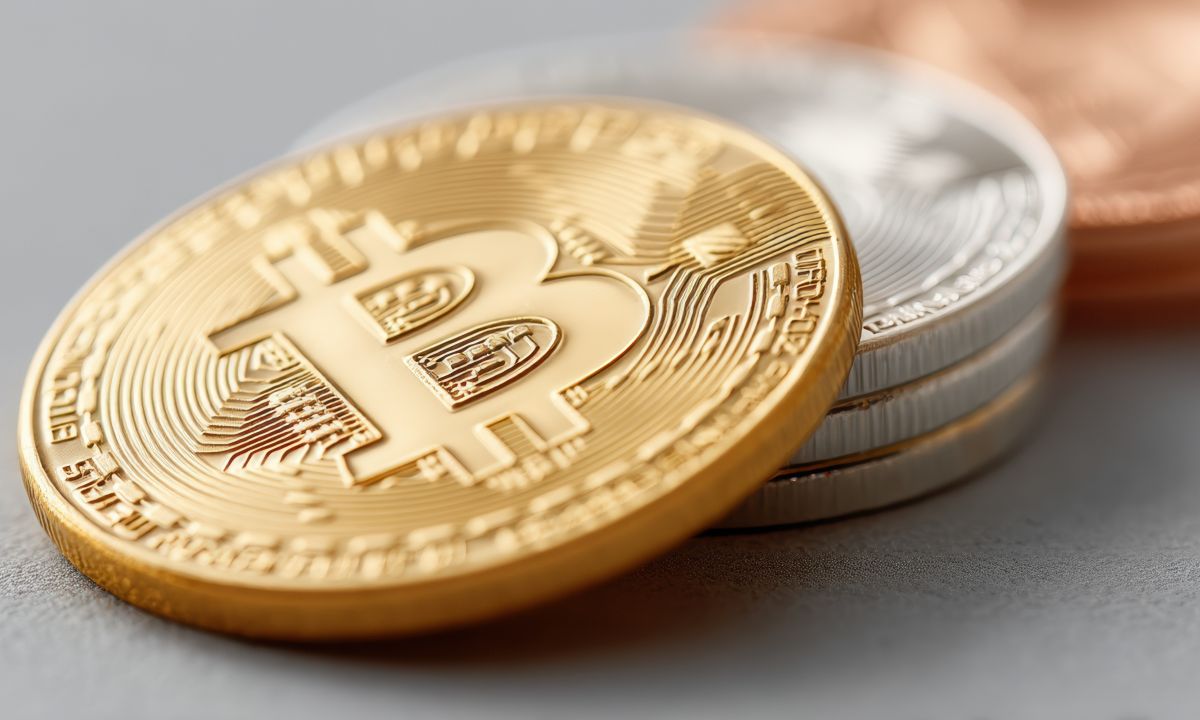
In a significant and perhaps inevitable turn of events, digital asset platforms are increasingly stepping into roles traditionally occupied by conventional banks, particularly within the dynamic landscapes of emerging markets. A groundbreaking report from Binance, the world's largest cryptocurrency exchange, has cast a stark light on this accelerating trend, revealing that a staggering 77% of its new users now hail from these developing nations. This isn't merely about speculative trading; it's about a fundamental reorientation of financial behavior, where cryptocurrencies are being leveraged for core financial activities such as investments, savings, and everyday payments.
This phenomenon signals a profound shift, indicating that for millions in economies grappling with inflation, currency instability, and limited access to traditional banking infrastructure, crypto platforms are not just an alternative – they are becoming the primary financial lifeline. The implications are vast, touching upon financial inclusion, economic empowerment, and the future trajectory of global finance. PulseWorld delves deep into this transformative trend, exploring its drivers, impacts, and what it means for the global economic order.
The Unbanked and Underbanked: A Fertile Ground for Crypto Adoption
The narrative of financial exclusion is a persistent one across many parts of the world. Billions of people lack access to basic banking services, whether due to geographical remoteness, prohibitive fees, lack of identification, or a general distrust in established institutions. In emerging markets, these challenges are often compounded by volatile local currencies, high inflation rates that erode savings, and cumbersome cross-border transaction processes. Traditional banks, with their often rigid structures and high overheads, have struggled to adequately serve these populations, leaving a vast void.
This void, however, has proven to be fertile ground for the rapid proliferation of cryptocurrency. Unlike traditional banks, crypto platforms operate on a global, permissionless, and often mobile-first basis. A smartphone and internet access are often the only prerequisites, instantly connecting users to a global financial system that bypasses national borders and bureaucratic hurdles. For individuals in countries like Nigeria, Argentina, Turkey, or Vietnam – nations frequently cited as leaders in crypto adoption – the appeal is multifaceted. They seek not just a store of value that can withstand hyperinflation, but also efficient, low-cost remittance options, and avenues for small-scale investments previously inaccessible.
Binance's data unequivocally supports this. The 77% figure isn't just a statistic; it represents millions of individuals finding financial agency where none existed before. It underscores a growing reliance on digital assets as a practical, everyday tool rather than a niche investment. This user base is not necessarily composed of tech-savvy early adopters, but rather ordinary people seeking solutions to pressing economic challenges.
Beyond Trading: Crypto as a Financial Utility
The popular perception of cryptocurrency often revolves around its volatile trading nature. While trading remains a significant activity, the Binance report highlights a crucial evolution: crypto is increasingly being used as a financial utility. This means people are using it for:
* Savings: In economies where local currencies are rapidly depreciating, stablecoins pegged to the US dollar (like USDT or BUSD) offer a refuge, allowing individuals to preserve their wealth. This acts as a digital safe haven, protecting purchasing power against rampant inflation. * Investments: Beyond speculative trading, users are exploring decentralized finance (DeFi) protocols for yield farming, staking, and lending, offering returns that often far outstrip those available from traditional banks. This opens up new avenues for wealth creation and capital growth. * Payments and Remittances: Cross-border payments are notoriously slow and expensive through traditional channels. Crypto offers near-instantaneous and significantly cheaper alternatives, revolutionizing how migrant workers send money home or how small businesses conduct international trade. Peer-to-peer (P2P) transactions are also flourishing, enabling local commerce without reliance on conventional banking rails.
This shift from speculative asset to practical financial tool is perhaps the most compelling aspect of the report. It demonstrates crypto's maturation and its capacity to address real-world economic problems. The underlying blockchain technology provides transparency, security, and immutability, features that resonate deeply with users who might distrust opaque traditional financial systems.
Regulatory Challenges and the Path Forward
The rapid ascent of crypto in emerging markets, while offering immense benefits, also presents significant challenges, particularly on the regulatory front. Governments and central banks worldwide are grappling with how to integrate these decentralized systems into existing financial frameworks without stifling innovation or compromising financial stability.
Many emerging market governments initially viewed crypto with suspicion, fearing its potential for illicit activities, capital flight, or disruption of monetary policy. However, as adoption grows and its utility becomes undeniable, there's a growing recognition of the need for sensible regulation. Countries like El Salvador have even adopted Bitcoin as legal tender, while others are exploring central bank digital currencies (CBDCs) as a way to harness blockchain technology within a regulated environment.
The challenge lies in striking a balance: fostering innovation and financial inclusion while mitigating risks such as consumer protection, money laundering, and systemic stability. A patchwork of regulations across different nations creates complexity for platforms like Binance and their users. International cooperation and the development of harmonized standards will be crucial for crypto's sustained, responsible growth in these critical markets.
The Geopolitical and Economic Implications
The rise of crypto as a banking alternative in emerging markets carries profound geopolitical and economic implications. For one, it could potentially reduce the reliance of these nations on the global fiat currency system, particularly the US dollar, offering a degree of financial sovereignty. It also empowers individuals and small businesses, fostering grassroots economic activity that might otherwise be stifled by traditional financial gatekeepers.
Furthermore, this trend could reshape global power dynamics. Nations that embrace and effectively regulate digital assets may gain a competitive edge in the digital economy. Conversely, those that resist or fail to adapt risk being left behind, their citizens potentially seeking financial solutions outside their borders.
The data from Binance serves as a powerful indicator that the future of finance is already being written in the emerging world. It's a future characterized by decentralization, accessibility, and a greater degree of individual financial control. As these platforms continue to innovate and expand their offerings, and as regulatory frameworks evolve, the lines between traditional banking and digital assets will continue to blur, ultimately leading to a more inclusive and resilient global financial system. The journey is complex, but the destination promises a more equitable financial landscape for all.
Stay Informed
Get the world's most important stories delivered to your inbox.
No spam, unsubscribe anytime.
Comments
No comments yet. Be the first to share your thoughts!